
Getting braces is an exciting step toward straight teeth and better oral health, but it also raises a lot of everyday questions. One of the most common is simple but important: what can you eat once orthodontic braces are on your teeth?
Food choices matter more than people expect during orthodontic treatment. The brackets, wire, and elastic components are designed to apply gentle pressure over time, but they are not built to handle every texture or chewing habit. The right foods can keep braces comfortable and intact, while the wrong ones can lead to broken appliances, discomfort, and delays in progress.
Whether you are getting braces for the first time, helping a child adjust, or starting adult braces later in life, this guide explains what to eat, what to avoid, and how to protect your braces while still enjoying meals.
Why Eating Habits Matter With Orthodontic Braces
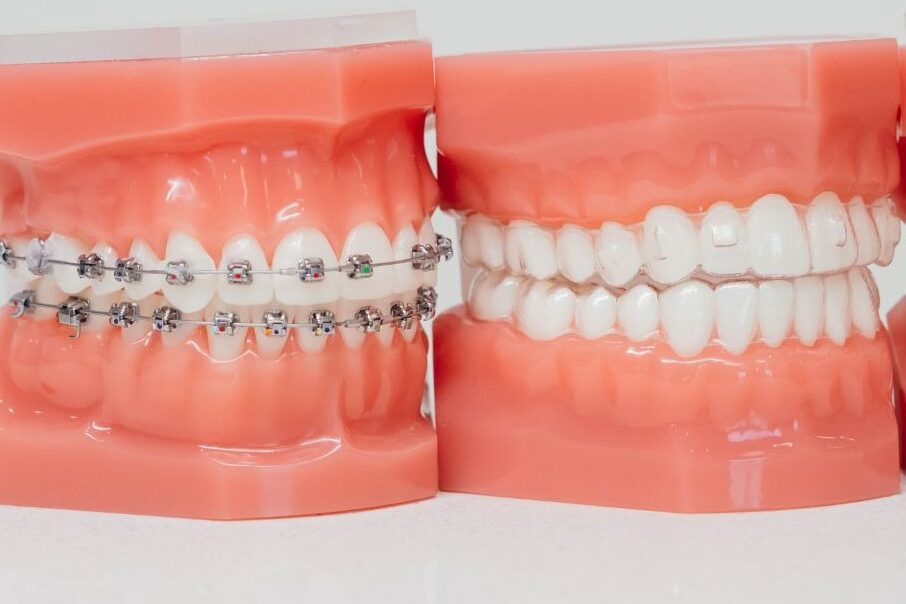
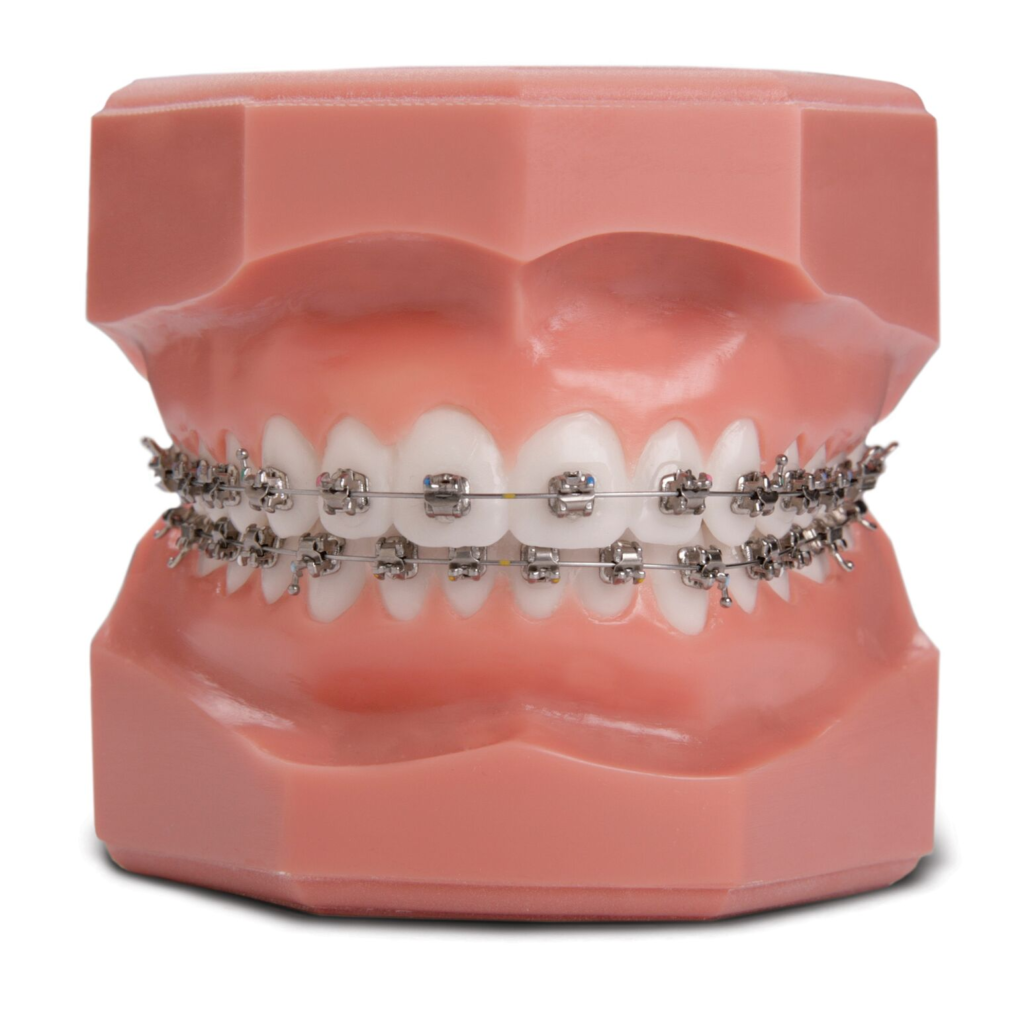
Orthodontic braces work by gradually moving each tooth into a healthier position. Brackets are attached to the teeth and connected by an arch wire that applies steady pressure. Over time, this helps correct crooked teeth, misaligned teeth, overcrowded teeth, and other orthodontic issues that affect both function and appearance.
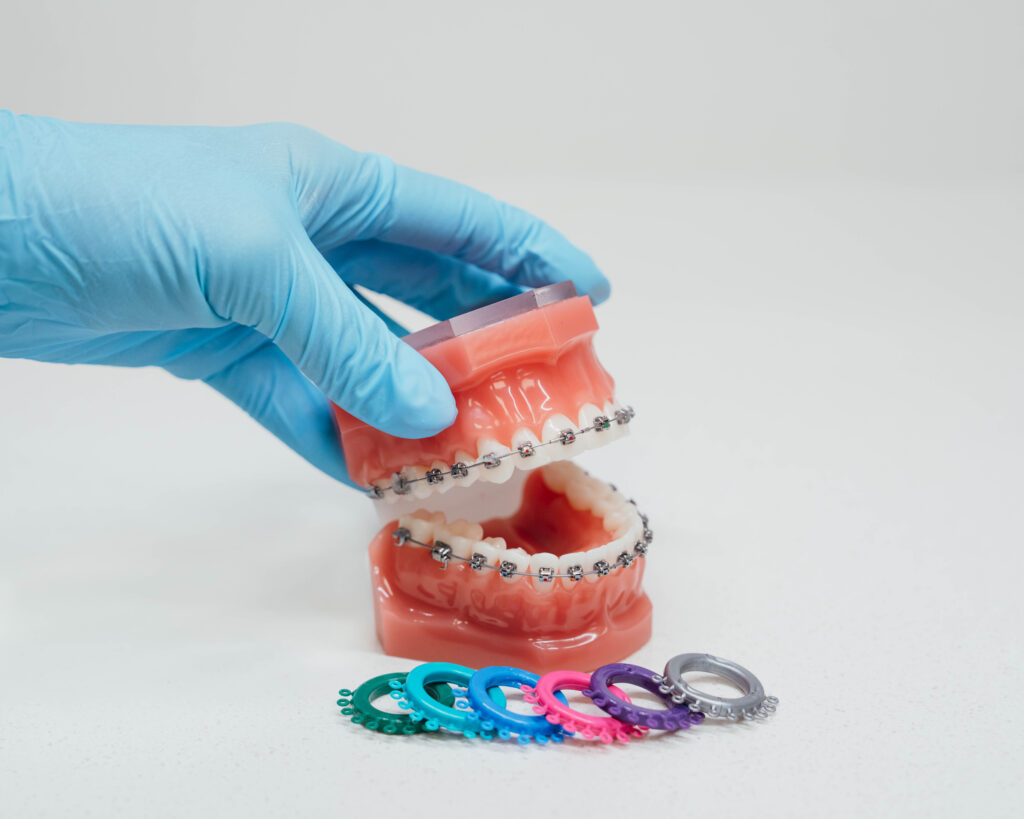
Because braces rely on precise alignment and pressure, food plays a bigger role than many patients realize. Hard foods can loosen a metal bracket or ceramic brackets. Sticky foods can pull on elastic ties or rubber bands. Biting incorrectly can bend the wire and interfere with progress.
Food choices also impact long-term oral health. Braces create more places for food and plaque to hide, increasing the risk of tooth decay if cleaning is not consistent. Making smart choices helps protect healthy teeth throughout orthodontic treatment.
What to Eat Right After Getting Braces
The first few days after getting braces or after an adjustment are usually the most sensitive. Teeth may feel sore as pressure increases, especially on the upper teeth and lower teeth.
Soft foods are ideal during this adjustment period. This applies to patients with traditional metal braces, ceramic braces, clear ceramic braces, lingual braces, self-ligating braces, or other fixed braces.
Soft foods reduce strain on brackets and wires while still providing nutrition. Options like yogurt, smoothies, mashed potatoes, soup, scrambled eggs, oatmeal, and soft pasta are easy to eat and gentle on braces. As soreness fades, most patients can slowly reintroduce firmer foods.
Everyday Foods That Are Safe With Braces
Once initial tenderness improves, patients can enjoy a wide range of foods by focusing on texture and preparation. Dental braces are compatible with foods that are soft, cut into small pieces, or easy to chew.
| Food Category | Examples |
|---|---|
| Fruits | Bananas, berries, peeled apples sliced thin |
| Vegetables | Steamed broccoli, cooked carrots, mashed squash |
| Proteins | Fish, shredded chicken, ground beef, tofu |
| Grains | Rice, soft bread, pancakes, pasta |
| Dairy | Cheese, yogurt, milk |
These foods are generally safe for traditional braces, metal braces, and clear braces when eaten mindfully. Cutting food into smaller pieces and chewing slowly helps protect each bracket and wire.
Foods That Can Damage Braces
Some foods are risky because they are too hard, too sticky, or both. These foods can damage braces and lead to unexpected visits to the orthodontist.
| Foods to Avoid | Why They Are a Problem |
|---|---|
| Popcorn | Kernels can get trapped under the wire |
| Hard candy | Can crack a bracket |
| Chewy candy | Pulls on brackets and elastic bands |
| Ice | Too hard for braces |
| Nuts | Risk damaging brackets |
| Caramel | Sticks to braces and traps bacteria |
Chewing gum is also a concern. Even sugar-free gum can wrap around wires and elastic ties, making cleaning difficult and increasing the risk of appliance damage.
How to Eat Crunchy Foods Safely
Crunchy foods are not always completely off limits, but they do require preparation. Instead of biting directly into hard foods, slicing and cooking can make a big difference. Apples can be cut into thin slices. Vegetables can be steamed. Crusty bread can be softened or broken into smaller pieces.
Chewing with the back teeth instead of biting with the front teeth reduces pressure on brackets. These habits are especially important for patients wearing traditional braces or traditional metal braces.
Snacking With Braces
Snacks should be easy to chew and easy to clean from around braces. Soft snacks like cheese, yogurt, cottage cheese, hummus with soft pita, smoothies, and soft fruit work well for most patients.
Choosing braces-friendly snacks supports healthy teeth and reduces plaque buildup, which helps prevent tooth decay during orthodontic treatment. This is especially important for patients who snack frequently or wear rubber bands.

Eating Out While Wearing Braces
Eating at restaurants with braces becomes easier with experience. Choosing meals that are soft or easy to cut helps avoid discomfort. Pasta dishes, rice bowls, fish, soft tacos, and tender meats are usually safe choices.
Patients using invisible braces, aligners, or clear aligners have more flexibility during meals, but those with fixed braces can still enjoy dining out by choosing foods thoughtfully and chewing carefully.
Sticky Foods and Oral Health Risks
Sticky foods are especially problematic because they cling to braces and are difficult to remove. When sticky foods remain around brackets and wires, bacteria can thrive, increasing the risk of cavities and gum irritation.
The American Dental Association recommends limiting sticky and sugary foods during orthodontic treatment to protect enamel and maintain healthy teeth. Good brushing, flossing, and regular orthodontic care are essential for preventing long-term issues like tooth loss.
How Food Restrictions Change Over Time
Food restrictions are temporary. Once braces treatment ends and retainers are worn, many limitations ease. Patients often find eating much easier after braces are removed, even compared to later stages of treatment.
The habits learned during orthodontic treatment often lead to better oral health long-term. Mindful eating, careful chewing, and consistent cleaning support straight teeth well beyond treatment.
Braces, Aligners, and Different Treatment Options
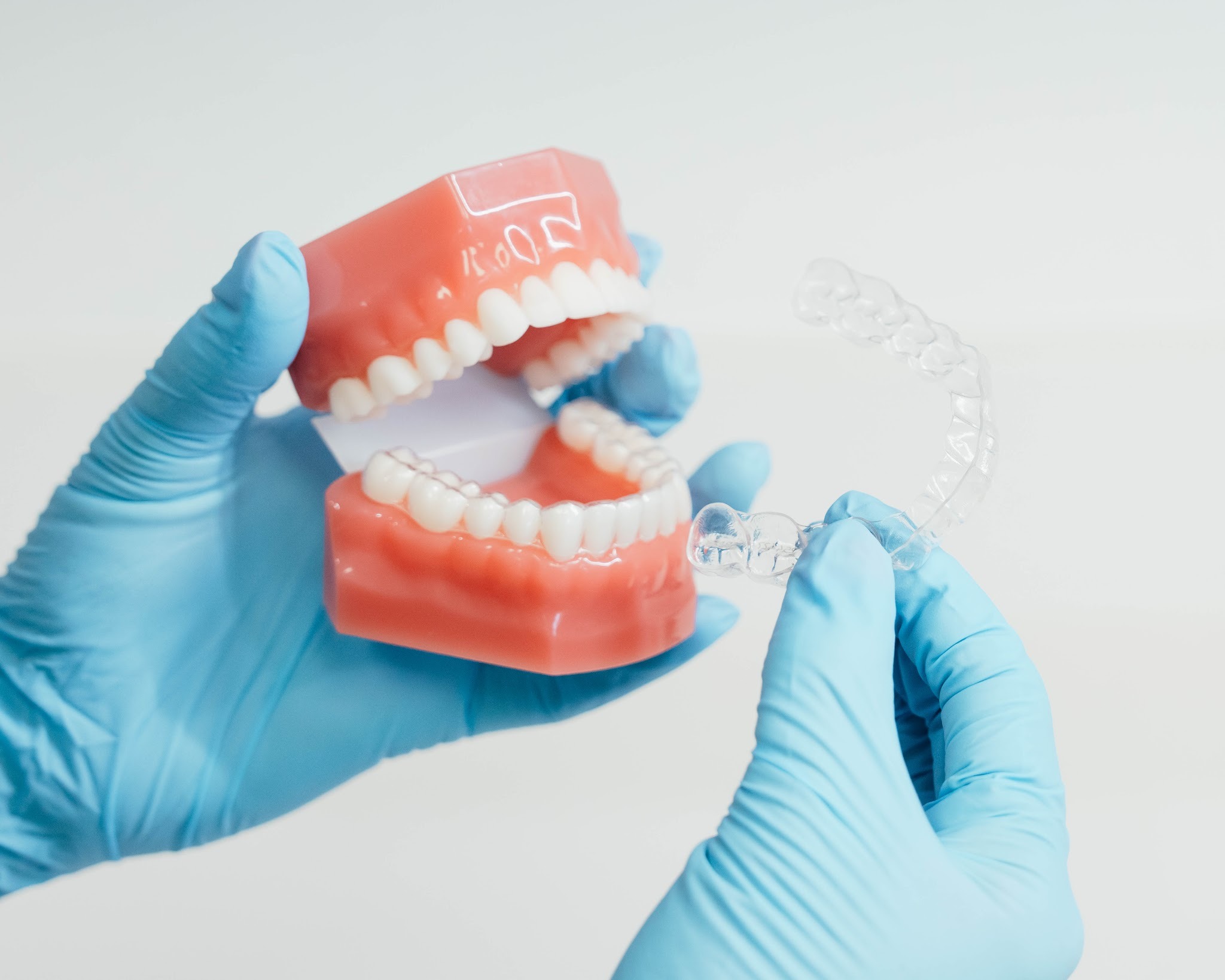
There are many different types of orthodontic treatment available today. Traditional braces, metal braces, ceramic braces, clear braces, lingual braces, self-ligating braces, and clear aligners all work differently, but food awareness is important for each option.
Aligners and invisible braces allow patients to remove appliances while eating, but they still require discipline and proper cleaning. Fixed braces require more attention to food texture but offer reliable results for complex orthodontic issues.
An orthodontist can recommend the best option based on tooth alignment, crowded teeth, bite concerns, and overall oral health. Patients with dental implants, baby teeth still present, or a history of orthodontic issues may need specialized guidance.
Braces Are About More Than Straightening Teeth
Orthodontics improves more than appearance. Correcting crooked teeth, overcrowded teeth, and bite problems can improve chewing, speech, and confidence. Proper alignment also supports long-term oral health and reduces uneven wear on teeth.
Whether you are considering braces treatment for yourself or a child, orthodontic care is an investment in function and health, not just aesthetics.
Final Thoughts on Eating With Braces
Eating with orthodontic braces requires adjustment, not sacrifice. By choosing brace-friendly foods, preparing meals thoughtfully, and maintaining strong oral hygiene habits, patients can enjoy meals while protecting their braces.
Understanding how food interacts with brackets, wires, and elastic bands helps keep orthodontic treatment comfortable and on track.
Schedule Your Orthodontic Consultation
If you are getting braces, considering clear aligners, or have questions about eating during orthodontic treatment, schedule a consultation with our orthodontist today. We are here to guide you through every step of orthodontic care and help you achieve a healthy, confident smile.