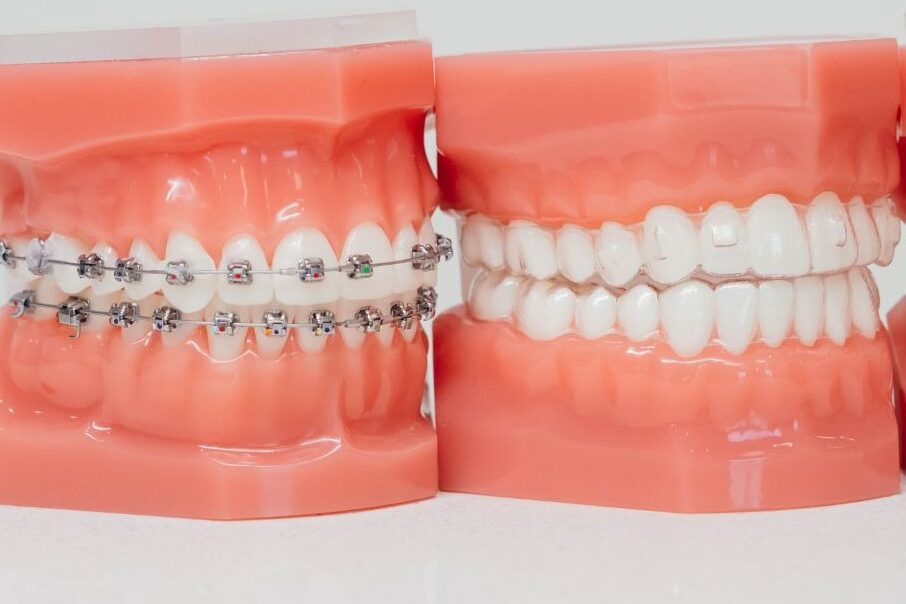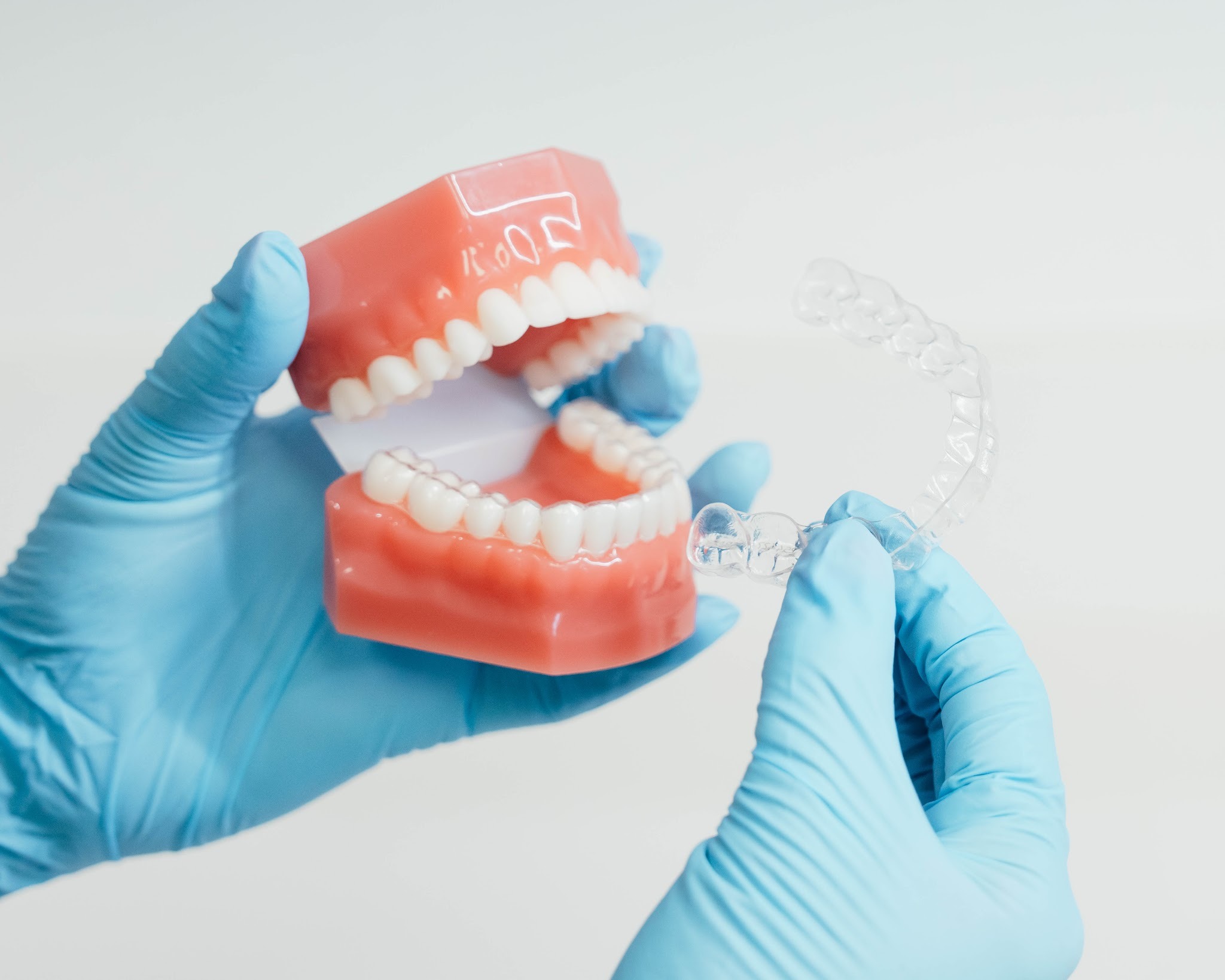
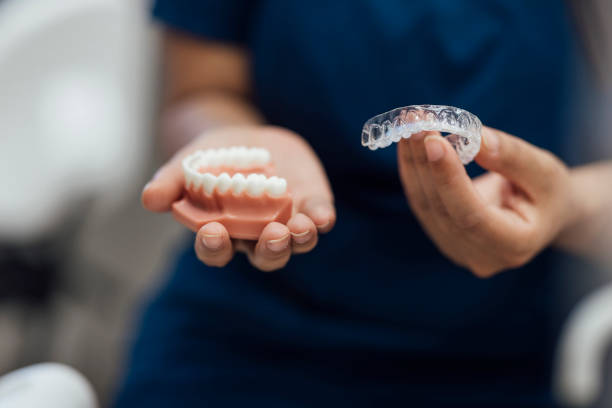
Completing braces or clear aligners is an exciting milestone. After months or even years of orthodontic treatment, you finally see the straight smile you’ve worked for. Many patients assume that once braces are removed, their treatment is complete, but in reality, this is just the beginning of the retention phase. Without retainers for teeth, your teeth can shift back to their original positions, undoing the results you achieved.
A retainer, whether removable or fixed, is a critical part of orthodontic treatment. Dental retainers stabilize teeth while the surrounding bone and ligaments adapt to the new alignment. Skipping this phase can lead to crowding, misalignment of the lower teeth, and other oral health issues. Understanding why retainers are necessary, how long they need to be worn, and how to care for them is essential for maintaining a perfect smile over the long term.
Why Teeth Move After Orthodontic Treatment
Teeth are not fixed rigidly in the jaw. They sit in a living system of bone, ligaments, and gums that naturally adjust to pressures from chewing, speaking, and other daily activities. During orthodontic treatment, braces or aligners move teeth by applying controlled forces that reshape bone and guide the teeth into new positions. After treatment ends, the supporting tissues and ligaments still retain a “memory” of the teeth’s previous positions.
Even small shifts can affect the alignment of the lower teeth or create spacing issues that impact both function and aesthetics. Retainers for teeth help prevent these changes, holding the teeth steady while the surrounding bone and tissue stabilize. Without a retainer, relapse can occur gradually, often without patients noticing until the changes are significant.
What Are Retainers for Teeth?
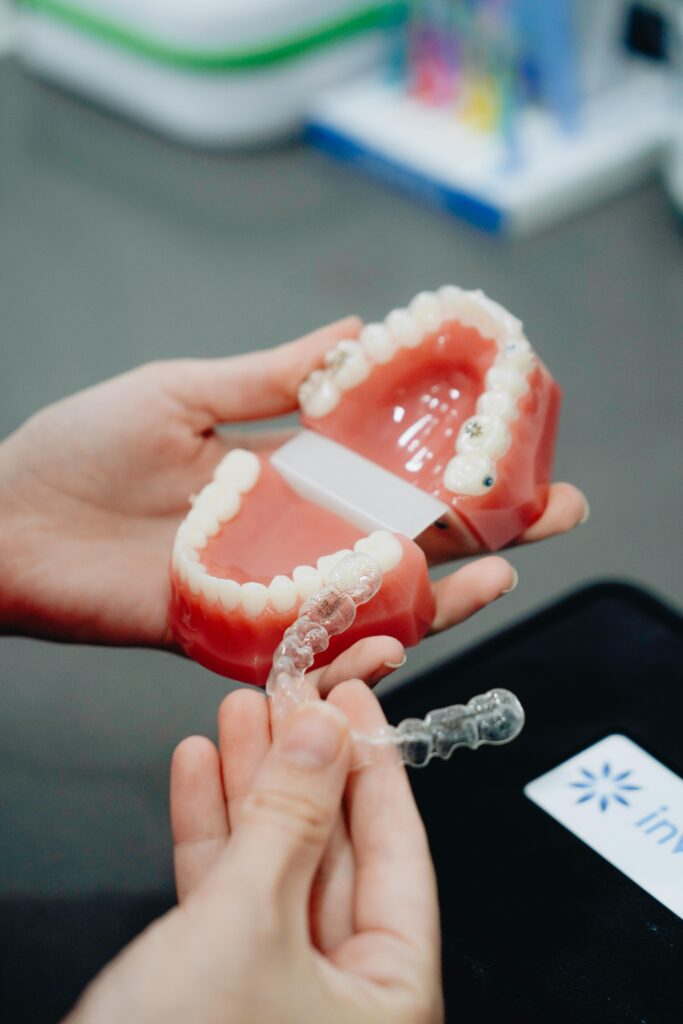
Retainers are orthodontic appliances designed to maintain the results achieved with braces or aligners. Unlike braces, which actively move teeth, a dental retainer simply holds teeth in their corrected positions. Custom retainers are created using dental impressions or an impression kit to ensure a precise fit, protecting both alignment and bite function.
Using retainers after treatment is critical for preserving a perfect smile. They prevent teeth from shifting and reduce the risk of complications such as uneven wear, crowding, or issues related to tooth decay. Retainers also help stabilize the bite, particularly in the lower teeth, which are more prone to crowding over time.
Types of Retainers
Retainers for teeth come in different types, each suited to specific needs.
| Type of Retainer | Description | Best For |
|---|---|---|
| Removable Retainer | Clear plastic or plastic and wire appliance that can be removed for eating and cleaning | Patients who want a discreet option and convenience |
| Fixed Retainer | Wire is permanently bonded behind the teeth | Patients who need continuous retention, especially for lower teeth |
| Clear Retainer | Transparent plastic retainer | Discreet maintenance and easy to clean |
Removable retainers allow flexibility for daily life and can be removed when eating or cleaning. Fixed retainers, sometimes called bonded retainers, are ideal for teeth that are more likely to shift and do not rely on patient compliance. Clear retainers provide a nearly invisible option that still maintains proper alignment.
How Long Do You Need to Wear a Retainer?
Retention is not temporary; it is a long-term part of orthodontic treatment. Immediately after braces are removed, retainers are worn full-time except when eating or cleaning. This allows the bone and ligaments to adjust fully to the teeth’s new positions.
Unless a patient has a permanent retainer, they usually transition to wearing a retainer only at night. Over time, wearing a retainer a few nights per week indefinitely is recommended to prevent gradual tooth movement. Even minimal noncompliance can result in small shifts that accumulate over the years, especially in the lower teeth.
| Retention Phase | Wear Schedule | Purpose |
|---|---|---|
| Initial Phase | Full-time wear except meals | Stabilizes teeth immediately after treatment |
| Transition Phase | Nighttime wear | Maintains alignment as tissues adapt |
| Long-Term Maintenance | Several nights per week | Prevents gradual shifting and maintains alignment |
Consistent use of a retainer ensures that orthodontic results last, protecting both the aesthetics of your smile and your oral health.
The Consequences of Skipping a Retainer
Some patients stop wearing retainers once their teeth appear stable. However, teeth can begin shifting silently, often in the lower teeth first. This may cause minor rotation, spacing issues, or crowding. Over time, these small changes can impact bite function and the overall appearance of your smile.
If a retainer is neglected long enough, retreatment with braces or aligners may become necessary. Wearing a dental retainer consistently is far simpler than undergoing additional orthodontic treatment. Retainers also help prevent other issues, such as tooth decay, uneven wear, and gum irritation, that can occur when teeth move out of alignment.
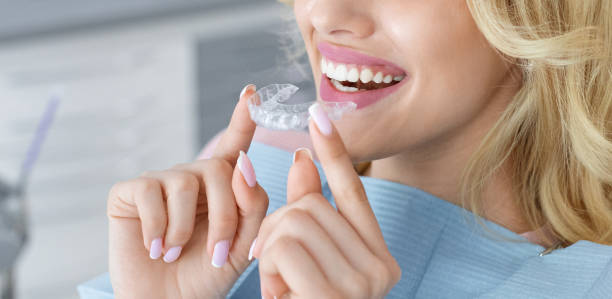
Retainers vs Braces and Aligners
Braces and aligners actively move teeth into corrected positions, while retainers maintain the results. A dental retainer is not optional; it is the final and critical step in orthodontic treatment. Without a retainer, teeth can slowly drift back, negating months or years of treatment.
Clear retainers or plastic retainers provide a discreet option for maintaining alignment, while fixed retainers ensure continuous support for teeth prone to movement. Both types of retainers serve the same ultimate goal: preserving the outcome of orthodontic treatment.
Retainers for Adults
Retainers are not just for teenagers. Adults are also at risk of tooth movement even if they have had aligned teeth for years. Aging, subtle bone changes, and bite forces can cause teeth to drift over time. Fixed retainers, removable retainers, or clear retainers can help adults maintain alignment and prevent issues with the lower teeth or other areas of the smile.
Consistent retainer wear in adulthood protects a perfect smile and helps maintain oral health. Even if teeth have remained straight for many years, using a retainer as directed ensures long-term stability.
Caring for Your Retainers
Proper care keeps retainers comfortable, clean, and effective. Removable retainers should be cleaned daily with lukewarm water and a soft brush. Hot water should be avoided, as it can warp the plastic retainer. Fixed retainers require monitoring during orthodontic checkups to ensure the wire remains secure and that plaque does not accumulate.
Retainers should always be stored in a protective case when not in use to prevent loss or damage. Replacement retainers may be needed if removable retainers wear down, crack, or no longer fit correctly. Some patients also use retainers as night guards to protect against teeth grinding while maintaining alignment.
Making Retainer Wear a Habit
The key to maintaining alignment is consistency. Many patients find it helpful to integrate retainer wear into their nightly routine, such as after brushing teeth. Over time, wearing a retainer becomes automatic, requiring minimal effort while protecting years of orthodontic treatment.
Regular orthodontic checkups ensure that retainers fit properly and continue to maintain alignment. Adjustments or replacement retainers may be recommended as needed, especially if teeth shift slightly or the retainer shows signs of wear.
Retainers do more than preserve a straight smile. They stabilize teeth, reduce lower tooth crowding, and maintain proper bite function. Retainers also protect against complications such as uneven wear or tooth decay caused by misalignment. Patients who follow their orthodontist’s instructions for retainer wear enjoy both aesthetic and functional benefits for decades.
Your Smile Is a Lifetime Commitment
Orthodontic treatment with braces or aligners transforms a smile, but maintaining that transformation requires ongoing care. Retainers for teeth, whether fixed, removable, or clear, are essential for preserving results. A dental retainer is the bridge between the active phase of treatment and lifelong stability.
Orthodontists create personalized retention plans to account for factors such as bite, tooth movement, and individual risk for relapse. Consistent retainer use ensures that the investment in your orthodontic treatment lasts, keeping your teeth straight, your bite healthy, and your perfect smile intact for years to come.
The success of orthodontic treatment does not end when braces are removed. It ends when your results last a lifetime, supported by proper use of retainers for teeth. Schedule a consultation with Prince Orthodontics today and take the first step toward keeping your smile straight and healthy.