If you are wondering how long do braces take to straighten teeth, most patients wear braces for somewhere between 12 and 24 months, although exact treatment time depends on the condition of your teeth, your bite, and the type of orthodontic treatment recommended. Some people begin noticing visible improvement in just a few months, while others need more time because straightening a smile involves more than simply moving one tooth into place. The full goal of treatment is to create healthy alignment, stable function, and results that last.
For many Utah families, one of the biggest surprises is that two people can start braces treatment at the same time and still finish months apart. A patient with mild crowding may move through treatment quickly, while someone with misaligned teeth, rotation, or deeper bite issues often needs a longer timeline. At Prince Orthodontics, each treatment plan is personalized because no two smiles respond exactly the same way, and that individualized planning helps patients understand their expected timeline early in the process.
How Teeth Move Gradually During Braces Treatment
Braces work by applying steady pressure that creates controlled tooth movement over time. As pressure is applied, bone around each tooth gradually remodels, allowing teeth to shift safely into healthier positions. Because this is a biological process, treatment cannot be rushed without risking long-term stability.
This is why many patients notice early changes before treatment is actually finished. Front teeth may look straighter within a few months, but orthodontists still need time to correct root position, spacing, and how upper and lower teeth fit together. True teeth straightening includes cosmetic alignment and bite correction.
What Usually Affects Treatment Duration
The most important factor affecting treatment duration is case complexity. Mild spacing usually finishes faster than severe crowding, but habits and consistency also matter.
| Factor | Effect on Average Treatment Time |
| Mild crowding | Often shorter than average |
| Severe crowding or crooked teeth | Often longer |
| Bite correction needed | Adds additional months |
| Broken brackets | Delays progress |
| Missed appointments | Extends treatment |
The average treatment time for most braces patients falls between one and two years, but orthodontists only refine that estimate after reviewing X-rays, bite patterns, and overall tooth alignment.
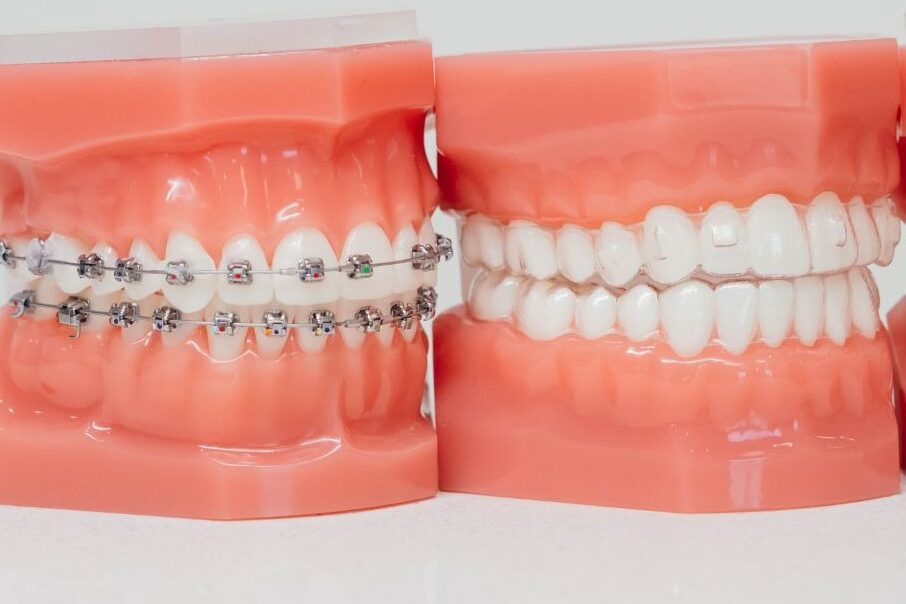
How Traditional Braces Compare to Other Options
For many patients, traditional braces remain the most effective option for moderate to complex movement because they allow precise control throughout treatment. They are especially useful when teeth need rotation, vertical adjustment, or significant movement across the arch.
Modern braces are also much more comfortable than many people expect. Today’s systems use smaller brackets and smoother materials than older dental braces, making treatment easier to manage than it was years ago. At Prince Orthodontics, advanced systems such as Damon braces are often used because they allow efficient movement while maintaining strong control over each stage of treatment.
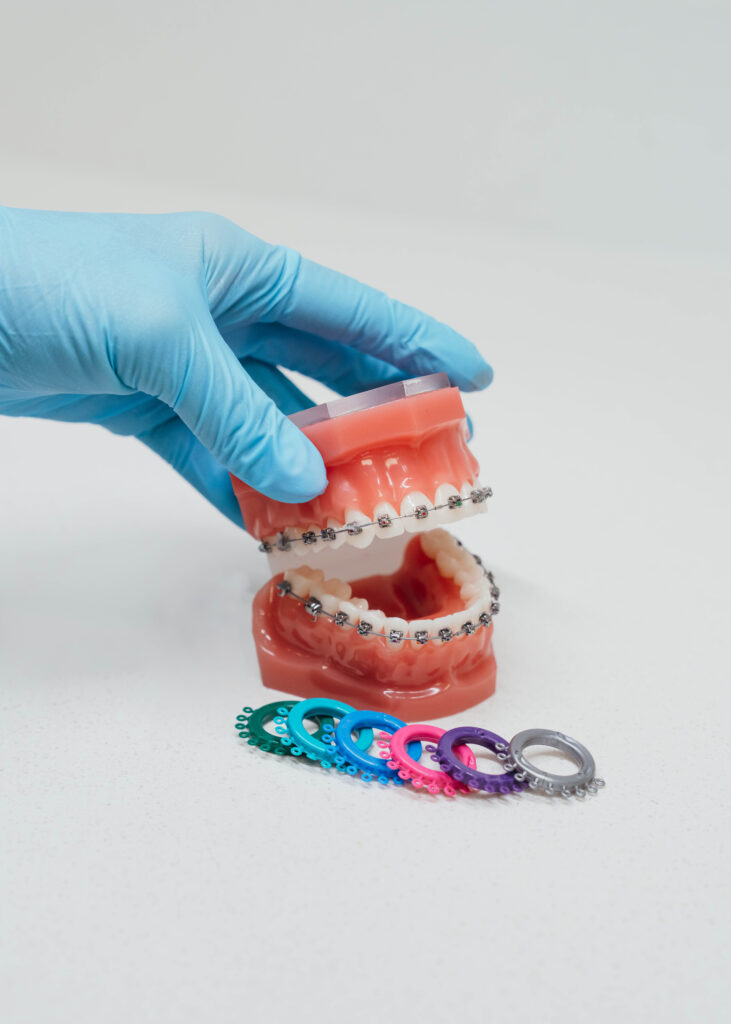
Are Metal Braces Faster Than Other Types?
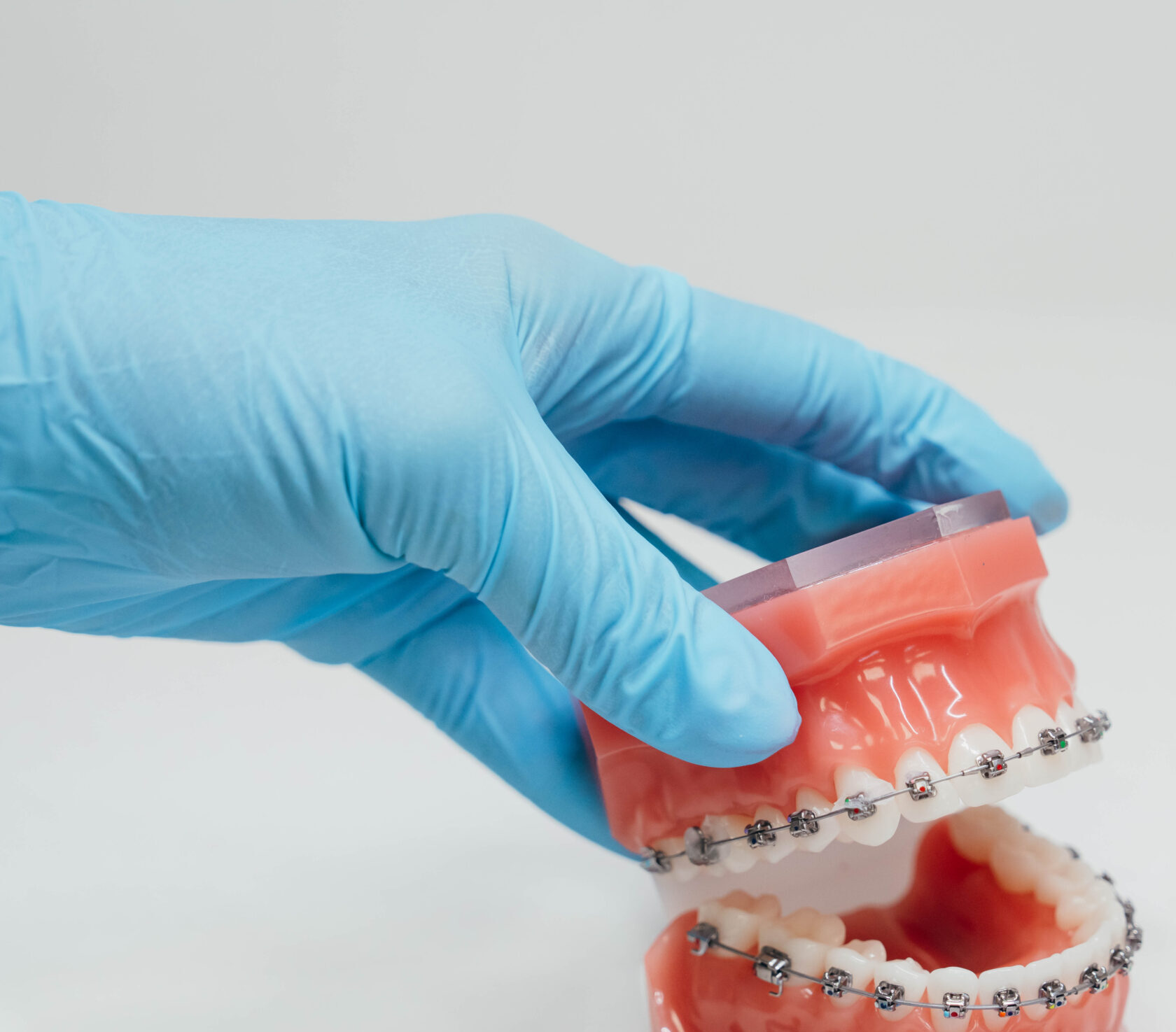
In many cases, metal braces remain one of the most efficient choices because they provide constant pressure and do not rely on removable trays. This can be especially helpful when correcting crowding, rotations, or more serious orthodontic issues.
A modern metal brace system often uses smaller metal brackets than older designs, making them easier to wear while still delivering reliable results. For some patients, traditional metal braces remain the fastest option simply because they allow orthodontists to control every stage of movement directly.
How Clear Braces and Clear Aligners Compare
Some patients prefer clear braces because they blend in more naturally while still functioning like fixed braces. Ceramic braces work similarly to metal systems, although they can require slightly more care because the material is less durable under heavy pressure.
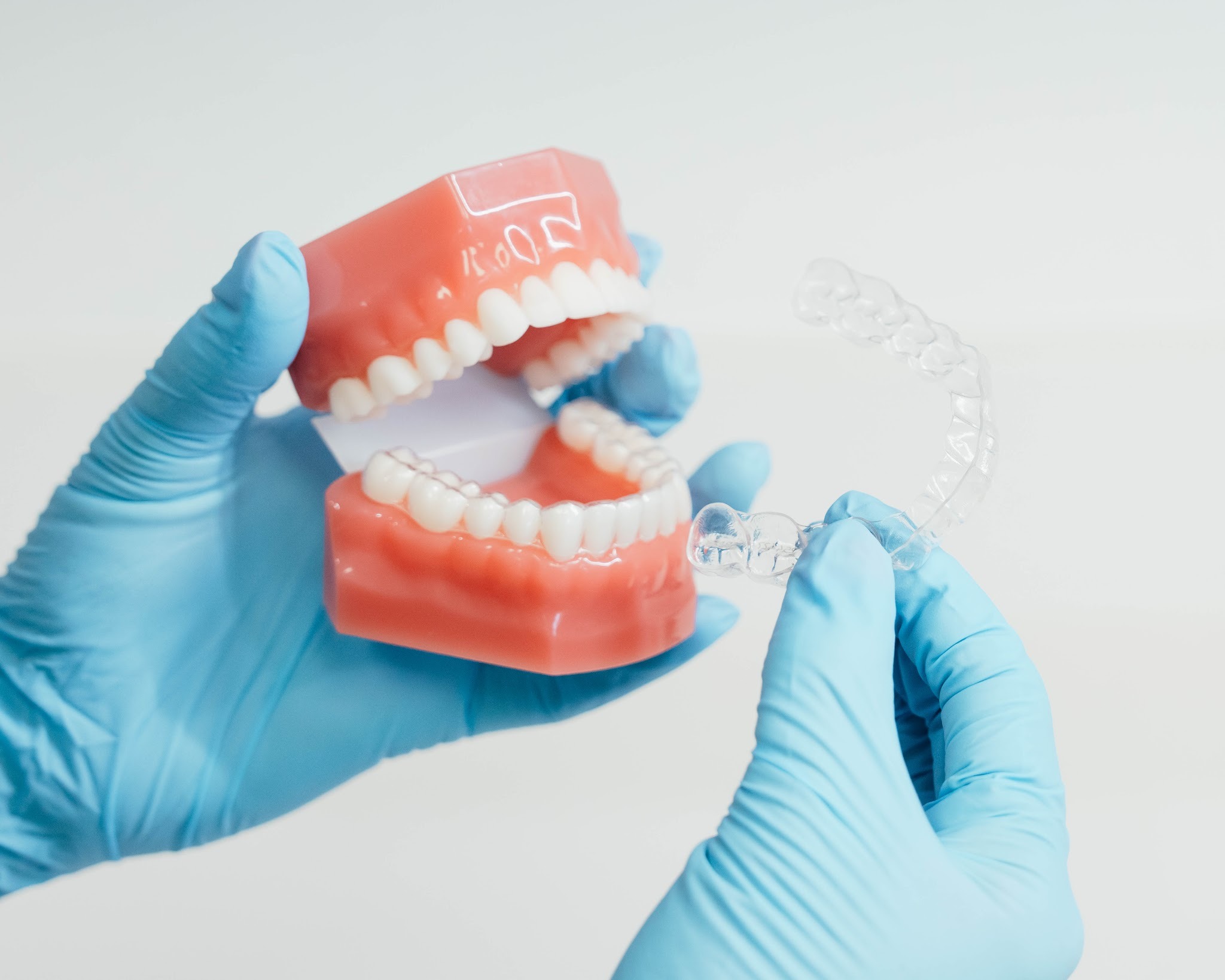
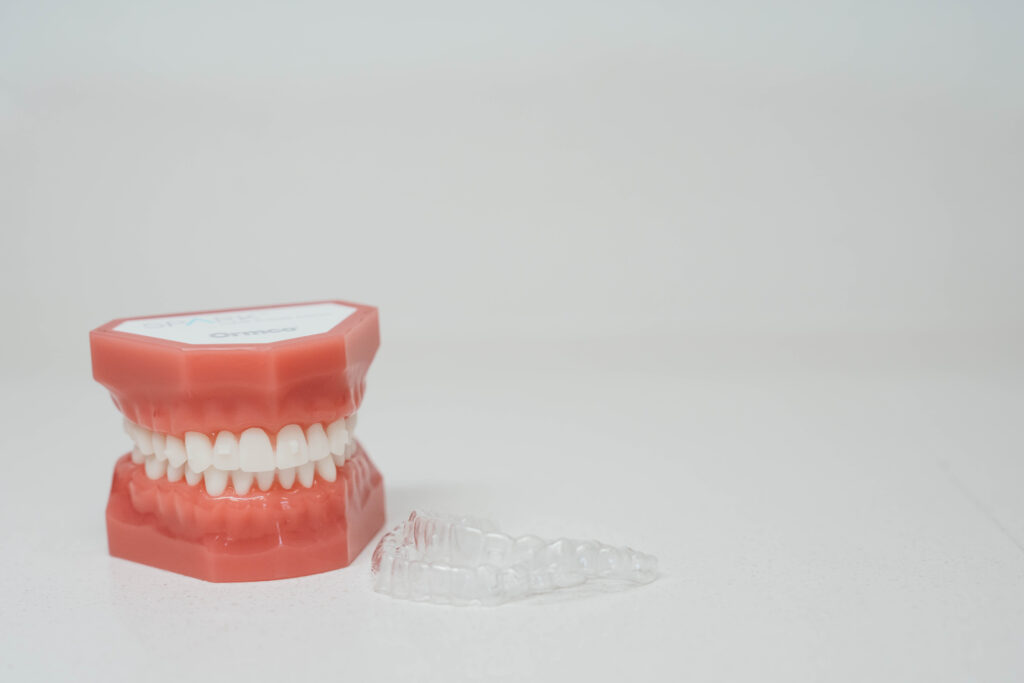
Others choose clear aligners or removable aligners, especially when appearance is a major concern. These are sometimes called invisible braces, though they work differently than fixed braces because success depends heavily on wearing them consistently. Strong patient compliance matters more with aligners than with braces because trays only work when worn as directed.
Why Some Patients Need Braces Longer
Patients sometimes worry when treatment extends beyond the original estimate, but several normal factors can affect timing. Rubber bands, for example, are often prescribed when jaw correction is needed, and inconsistent wear can slow progress significantly.
The most common causes of long braces treatment include delayed appointments, broken brackets, and poor home care. Even small disruptions can affect how efficiently teeth move month to month.
Oral Hygiene Has a Direct Impact on Treatment Speed
Strong oral hygiene is one of the most overlooked parts of staying on schedule. When plaque builds around brackets, gums can become inflamed, which makes movement less predictable and sometimes slows treatment.
That is why orthodontists emphasize good oral hygiene throughout treatment. Brushing carefully around brackets, flossing regularly, and avoiding food that damages appliances all support healthier movement and better long-term oral health.
If a patient develops inflammation or even early gum disease, treatment sometimes needs to slow until tissues recover.
Why Younger Patients Sometimes Finish Faster
If you’re a younger patient — or the parent of one — you might be curious about how long braces take to straighten teeth compared to adults. Generally speaking, younger patients tend to move through treatment a bit faster because their bones are still growing and remodeling more actively. That doesn’t always translate to dramatically shorter treatment, but it does mean certain corrections can progress more smoothly and predictably.
That said, adults absolutely achieve great results with braces. The process may move at a slightly different pace depending on bone density, but the outcome is just as rewarding.

Different Types of Braces Can Change the Experience
There are several different types of braces available today, including metal systems, ceramic options, removable aligners, and even Damon Braces, which we offer at Prince Orthodontics.
The right option depends on the orthodontic problem being corrected. Some systems work best for cosmetic alignment, while others are better for deeper orthodontic issues involving jaw relationships.
Straight Teeth Require More Than Cosmetic Alignment
Patients often think treatment is done once they see straight teeth, but final adjustments usually focus on bite balance and long-term stability. A straighter smile is important, but a stable bite protects teeth from uneven wear later.
That is why orthodontists often continue treatment after visible crowding improves. A smile that looks straight still needs healthy function underneath.
Final Thoughts
The answer to how long do braces take to straighten teeth always depends on your smile, your goals, and how your teeth respond to treatment over time. Some patients finish faster than expected, while others need extra time for bite correction or more complex movement.
If you are considering getting braces in Utah and want a realistic timeline for your own smile, a consultation with Prince Orthodontics can help you understand which treatment option fits your needs and what your likely timeline looks like.
FAQ About How Long Braces Take to Straighten Teeth
How long do braces take to straighten teeth in a mild case?
Mild cases often take about 12 to 18 months, though exact treatment time depends on bite alignment and tooth movement.
Are metal braces faster than clear aligners?
Metal braces can be more efficient for complex cases because they stay on full time, while clear aligners depend on consistent wear.
What can slow down braces treatment?
Missed appointments, broken brackets, poor oral hygiene, and inconsistent use of rubber bands can all extend treatment.
Do braces fix bite issues too?
Yes. Braces correct both crooked teeth and bite issues to create a healthier, more stable smile.