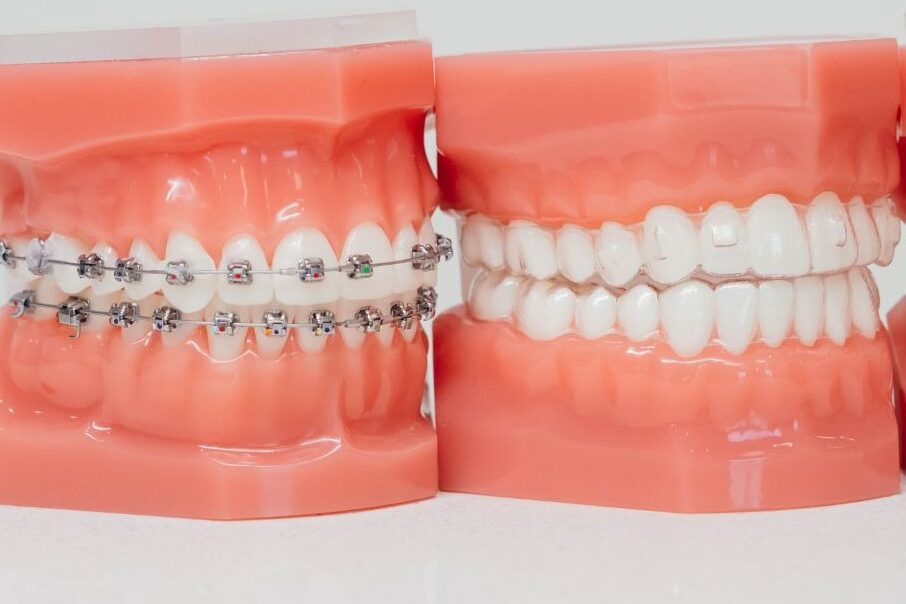
If the thought of a mouth full of metal brackets has you putting off orthodontic treatment, you’re not alone. Most patients who come to us asking about alternatives to braces aren’t opposed to straighter teeth. They’re opposed to the idea of traditional braces specifically, whether that’s the look, the comfort, or the lifestyle adjustment. The good news is that metal brackets aren’t the only path to a straighter smile anymore.
At Prince Orthodontics, we sit down with every patient and walk through the real options on the table, not a list of every straightening method that exists in theory. Some of what shows up in a quick search (headgear, palatal expanders, even veneers marketed as a shortcut) either isn’t something we offer or isn’t actually a substitute for orthodontic treatment. Below is an honest rundown of what we do offer, who each option tends to fit, and how we help you land on the right one.
Why Consider an Alternative to Traditional Braces
Traditional metal braces work. They’ve straightened millions of smiles and they’re still the right call for a lot of complex cases. But we understand why adults, older teens, and parents of self-conscious teenagers go looking for something else. Common reasons patients ask us about a braces alternative include:
- Appearance. Metal brackets and wires are visible every time you talk, laugh, or smile.
- Comfort. Traditional braces can mean more frequent adjustments and more irritation to the inside of the cheeks and lips.
- Lifestyle. Musicians, athletes, and anyone who eats out often tend to prefer something less restrictive than fixed braces.
- Treatment speed. Depending on the case, some options move teeth more efficiently than conventional braces.
None of these reasons make traditional braces the wrong choice. They just mean it’s worth understanding what else is out there before you commit to a teeth straightening treatment.
Clear Aligners: Spark, Invisalign, 3M Clarity, and ClearCorrect

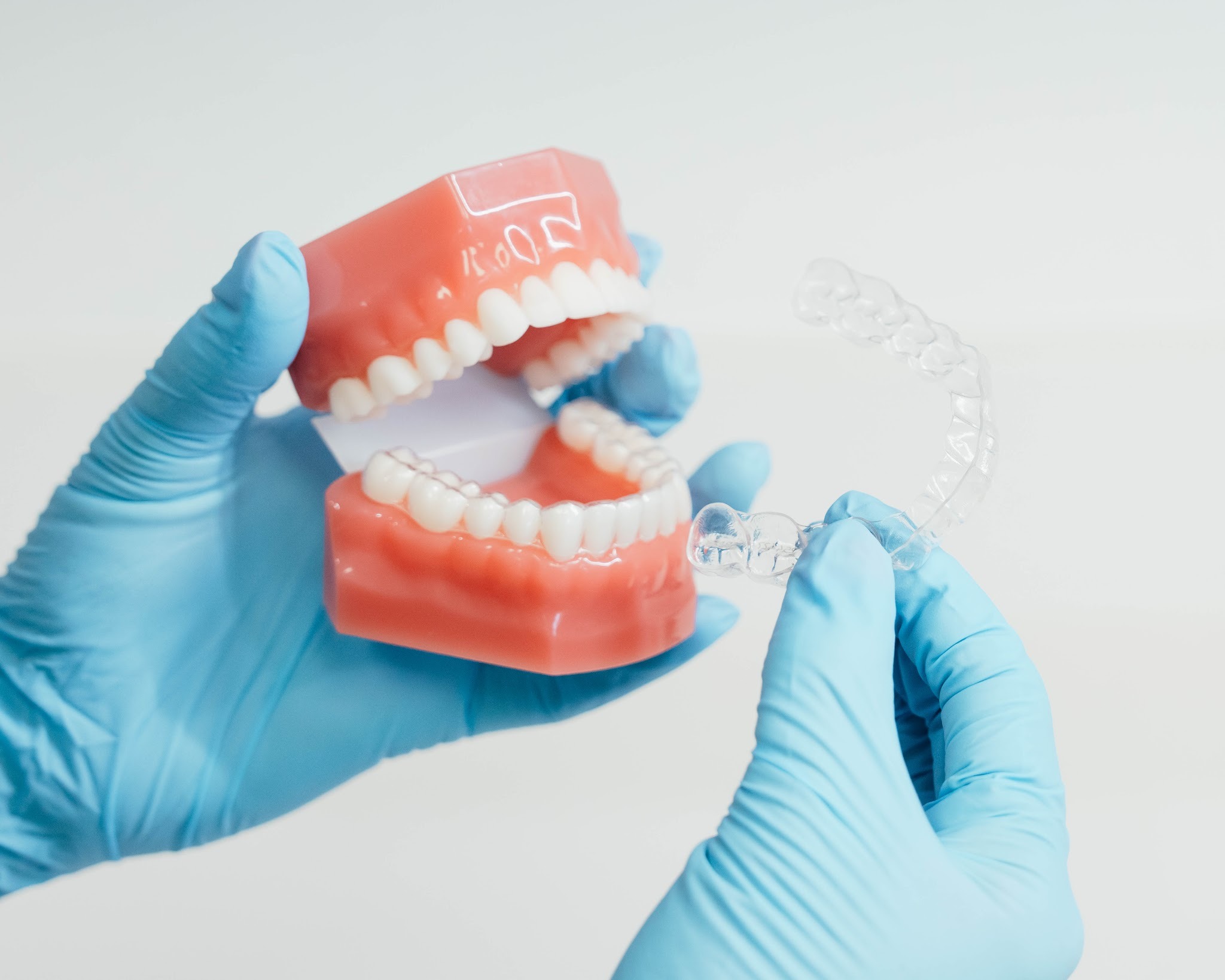
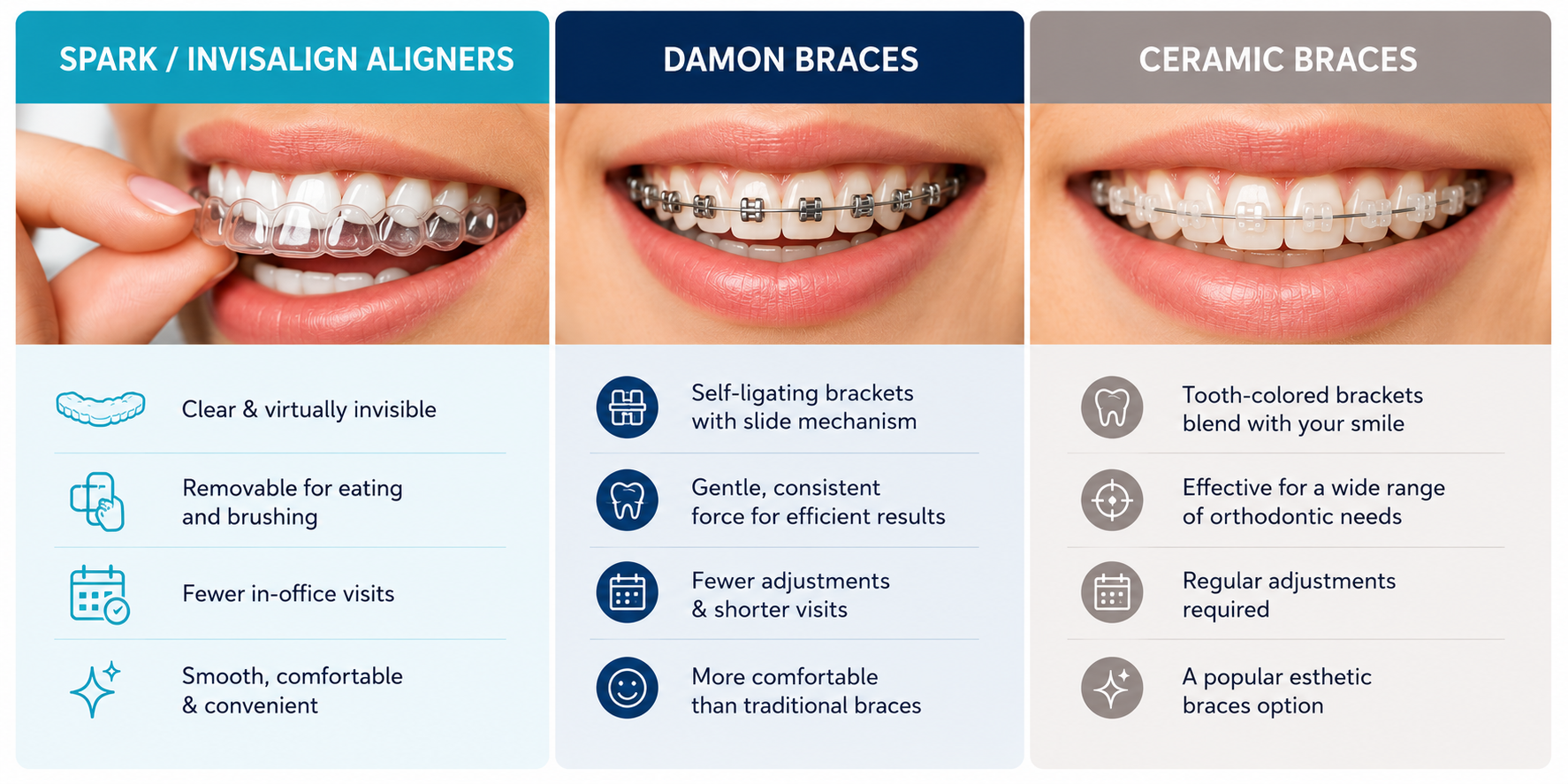
Clear aligners are the most requested alternative we see, and for good reason. These custom, removable trays gradually shift crowded teeth or misaligned teeth into place without a single metal bracket. We offer four aligner systems at Prince Orthodontics:
- Spark™ Aligners, our primary aligner system, known for a clear, stain-resistant material and a comfortable fit.
- Invisalign®, the most well-known name in clear aligners, with a long track record for a wide range of cases.
- 3M™ Clarity Aligners, built with a similar approach and material quality to Spark.
- ClearCorrect™, another reliable option depending on your bite and treatment goals.
Aligners are nearly invisible when worn, which makes them a popular teeth straightening option for adults in professional settings and teens who want a straightening treatment that doesn’t announce itself. They’re removable for eating and brushing, which also makes it easier to keep up with oral hygiene during treatment.
Aligners aren’t automatically the best fit for every case. More severe crowding, rotated teeth, or bite issues sometimes respond better to fixed braces. This is exactly why we evaluate your bite and alignment in person before recommending a path rather than assuming clear braces will work for everyone who asks for them.
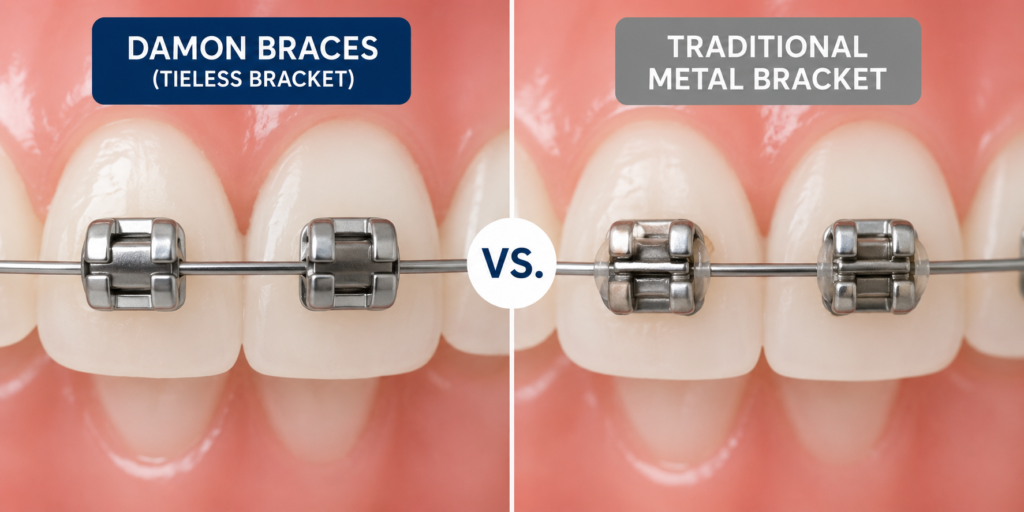
If you like the predictability of fixed braces but want something more comfortable and lower-maintenance than what you may remember from traditional metal braces, Damon Braces are worth a look. Damon Braces use a self ligating braces system, meaning the brackets use a sliding mechanism instead of elastic ties to hold the archwire in place.
That difference matters in a few practical ways:
- Fewer office visits for tightening compared to conventional braces
- Less friction on the wire, which can mean a more comfortable tooth movement process
- Metal brackets that are still smaller and lower-profile than older bracket styles
Damon Braces are still visible braces, just a more refined version of them. If appearance is your main concern, this probably isn’t your first choice. If you want the reliability of fixed braces with a more comfortable experience than regular braces, it’s one of the better middle-ground options we offer.
Ceramic Braces: Fixed Braces That Blend In
Ceramic braces work the same way traditional braces do, using brackets and a wire to guide tooth movement, but the brackets themselves are tooth-colored or clear instead of metal. For patients who need the control of fixed braces but don’t want metal brackets standing out in every photo, ceramic braces vs metal braces often comes down to appearance versus durability.
A few things to know about ceramic braces compared to traditional metal braces:
- They blend in significantly better, especially from a few feet away
- They’re slightly more fragile than metal brackets and require a bit more care
- Treatment time is generally similar to metal braces for comparable cases
- They tend to cost more than standard metal brackets, though less than most aligner systems
Ceramic braces are a strong straightening option for older teens and adults who need the predictability of fixed braces but aren’t willing to compromise on appearance the way traditional braces require.
What About Lingual Braces or Veneers?
We get asked about a few other terms that come up in braces alternative searches, so it’s worth addressing them directly. Lingual braces, which attach to the back of the teeth instead of the front, aren’t something we currently offer, largely because they tend to be harder to clean and more uncomfortable for the tongue with limited added benefit over aligners for most patients.
Dental veneers and dental bonding also come up often, but they solve a different problem. Veneers and bonding are cosmetic dentistry and restorative dentistry solutions that change the appearance of the tooth surface. They don’t move teeth or correct a misaligned bite the way orthodontic treatment does. Porcelain veneers can mask minor gaps or chips, but they won’t fix crowded teeth or a bad bite, and covering misalignment with a veneer or dental crown can actually create long-term oral health issues if the underlying alignment problem isn’t addressed. The same goes for dental implants, which replace missing teeth but don’t shift existing ones. If you’re dealing with true misalignment, straighter teeth come from an orthodontic treatment plan, not a cosmetic fix layered on top of the problem.
Straight Teeth Matter Beyond Appearance
It’s easy to think of a teeth straightening treatment as purely cosmetic, but tooth alignment affects more than your smile in photos. Crooked teeth and crowded teeth are harder to clean thoroughly, which raises the risk of tooth decay and gum disease over time. Fixing alignment, whether through aligners or fixed braces, also tends to correct bite issues that cause uneven wear on the teeth. Straight teeth are simply easier to maintain for the long run, and better oral health is one of the most underrated benefits of any straightening option.
How We Help You Choose
There’s no universal best alternative to traditional braces. The right choice depends on your bite complexity, how much crowding you’re working with, your budget, and honestly, your lifestyle. A busy adult with mild crowding and a low tolerance for visible brackets is a very different case than a teenager with a significant bite issue.
That’s why Dr. Prince evaluates every case personally before recommending a direction. We’d rather give you a clear, confident recommendation based on your teeth than hand you a menu of options and leave you to guess.
Frequently Asked Questions
Are Spark aligners or Invisalign as effective as braces? For many cases, yes. Clear aligners have closed the effectiveness gap with traditional braces significantly, especially for mild to moderate misalignment. More complex bite issues sometimes still call for fixed braces, which is something we’ll assess directly.
What’s the most affordable alternative to traditional braces? Ceramic braces and ClearCorrect tend to sit in a more moderate price range compared to premium aligner systems, though cost varies by case complexity. We go over pricing in detail during your consultation.
Can adults get braces alternatives, or are they only for teens? Adult braces and adult teeth straightening are more common than ever. Aligners in particular are popular among adults specifically because they’re discreet enough for daily professional life.
How is Damon Braces different from traditional metal braces? Damon Braces use a self ligating system instead of elastic ties, which typically means fewer adjustment visits and a more comfortable experience than regular braces.
How do I know which option is right for my teeth? The honest answer is that it depends on your bite, your crowding, and your goals, which is why we don’t recommend a straightening option without seeing your teeth first.
Ready for a Straighter Smile?
Not sure which option is right for your smile? Schedule a consultation with Dr. Prince and get a personalized recommendation, no guesswork required.