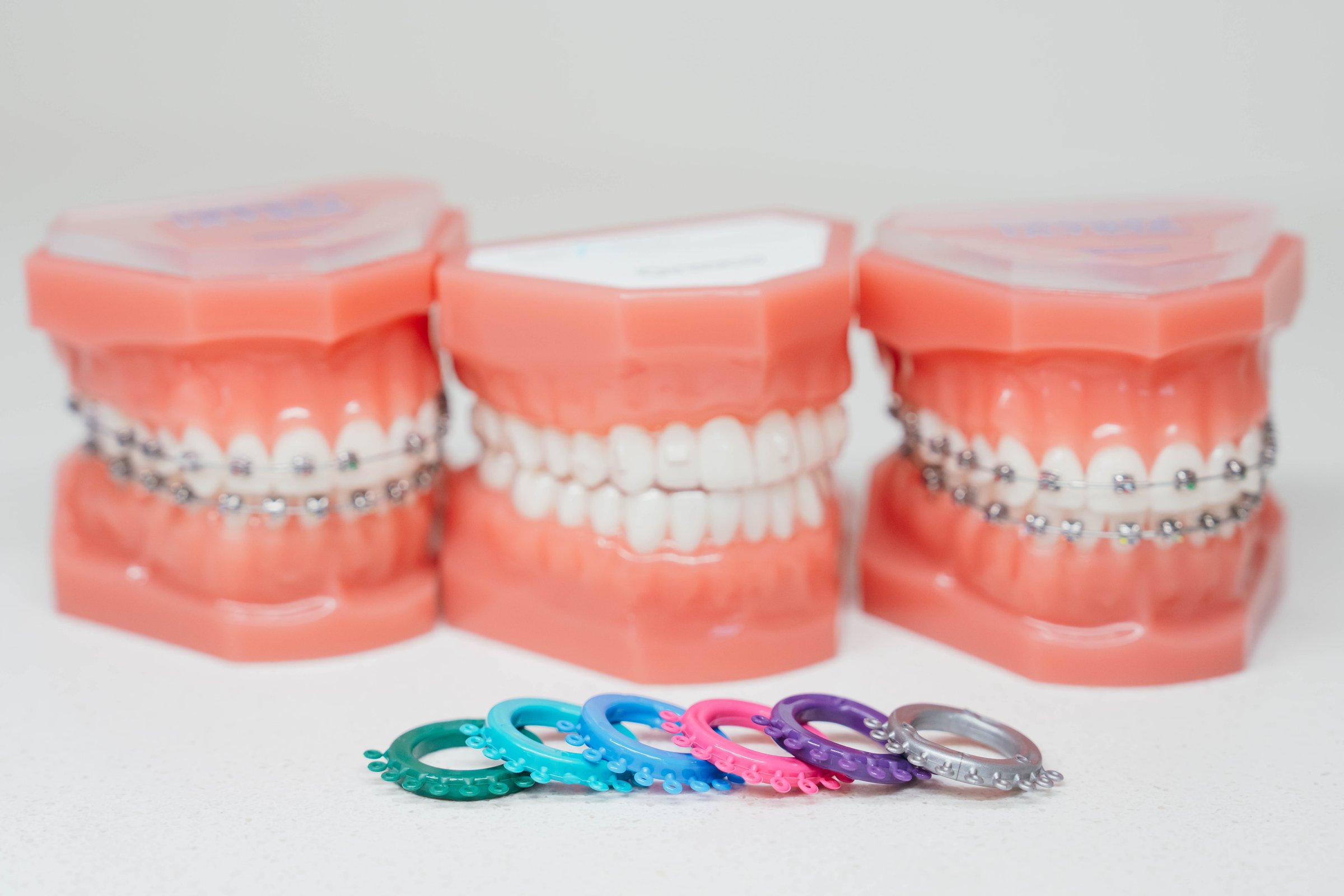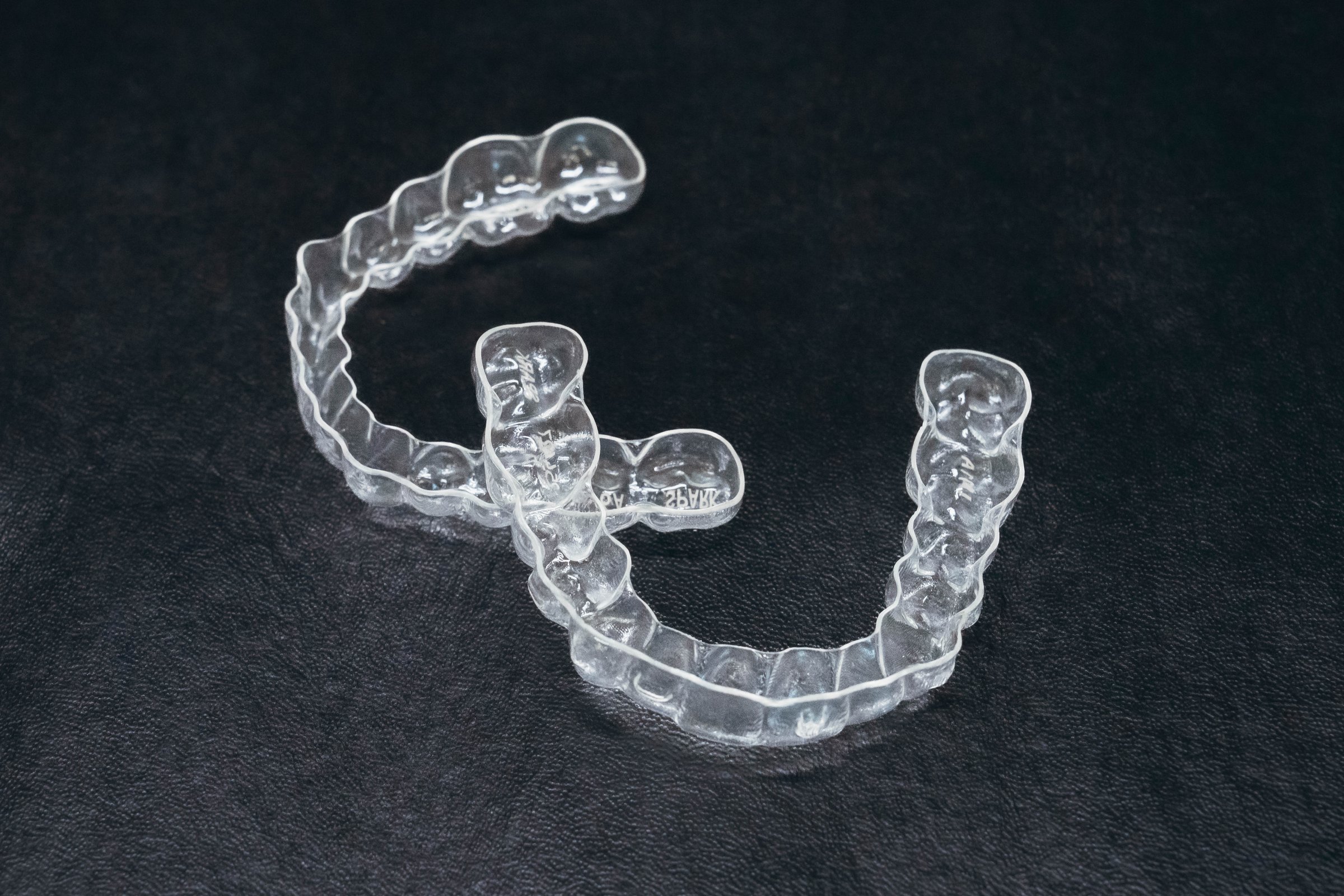
If you are wondering how to clean braces, the short answer is a little more time and a few extra tools. Brackets and wires give food and plaque plenty of places to hide, so the quick brush you used before braces will not cut it anymore. The good news is that good oral hygiene only adds a few minutes to your day. It also keeps your teeth and gums healthy throughout your orthodontic treatment.
If you have questions about caring for your braces, contact our office today to schedule your orthodontic consultation.
Why Cleaning Braces Takes Extra Effort
With braces and other orthodontics appliances, your mouth has dozens of extra surfaces to keep clean. Food and debris get stuck around each bracket and under the wire, and plaque builds up fast along the gum line. Left alone, plaque buildup can lead to tooth decay, white spots once the braces come off, and even gum disease. Taking a few extra minutes each day is the easiest way to protect your oral health during orthodontic treatment.
How to Brush With Braces
Brush after every meal if you can, and always in the morning and before bed. Start by rinsing with water to loosen any food that is stuck around your brackets. Then use a soft bristled brush with a pea sized amount of fluoride toothpaste that carries the ADA Seal of Acceptance. The fluoride helps protect your tooth enamel.
Angle the brush at about 45 degrees toward your gum line and brush above the brackets with small, gentle circles. Then angle it upward and clean below the brackets the same way. Finish by cleaning every tooth surface, including the chewing surfaces and the backs of your teeth, and check the mirror for any food left behind. Plan on about two minutes.
The American Dental Association has a helpful guide to brushing your teeth, and it also recommends replacing your toothbrush every 3 to 4 months. With braces, you may notice the bristles wear out sooner.
How to Floss With Braces
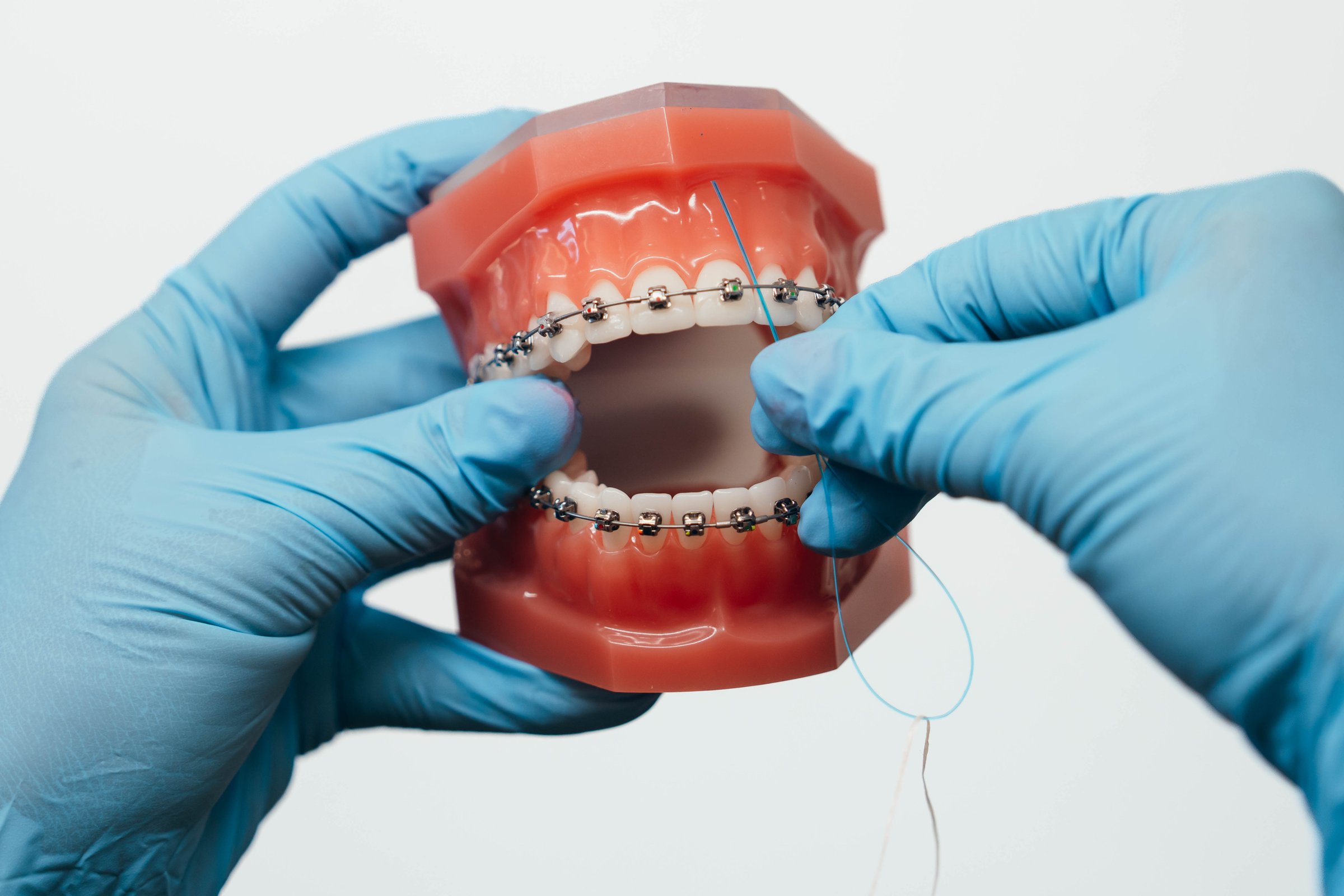
Flossing is the part most people skip, but it matters just as much as brushing. Traditional floss can catch on the wires, so a floss threader or orthodontic floss makes things much easier. These flossing techniques feel awkward at first, but they get easier fast.
Pull off about 18 inches of floss and thread it under the wire. Slide it between two teeth, curve it into a C shape around one tooth, and move it up and down along the side and just under the gumline. Pull the floss out, thread it again, and move on to the next gap. Go slowly so you do not snap the floss against your gums or bend the wires. The ADA also shares tips on flossing if you want a refresher.
Tools That Make Cleaning Braces Easier
A regular toothbrush does a decent job, but a few extra tools made for orthodontics patients can reach the spots it misses.
Interdental Brushes
These tiny brushes look like little pipe cleaners. Slide one under the wires and between brackets to sweep food and debris out of tight spaces your toothbrush cannot reach.
Water Flossers
A water flosser sends a thin stream of water around your brackets and gumline. It works well alongside regular flossing.
Orthodontic Toothbrushes
These brushes have a V shaped groove in the bristles that fits around brackets. Many patients find them easier to use than a standard brush. An electric toothbrush with a soft head is another good choice.
Fluoride Mouthwash
A fluoride mouthwash used once a day can help strengthen tooth enamel. Swish it after you finish brushing and flossing, and ask your orthodontist if they recommend a specific type. An alcohol free mouthwash is gentler on your gums.
How to Clean Braces on the Go
Life does not stop when you get braces, so keep a small kit in your bag. A travel toothbrush, a small tube of toothpaste, and a pack of interdental brushes or floss picks are usually enough. If you cannot brush after lunch, rinse well with water. It also helps to know which foods to avoid with braces, since sticky and hard snacks are the biggest cleaning headaches.
Common Mistakes When Cleaning Braces
Most oral hygiene problems come from rushing. Brushing too hard can irritate your gums and wear down enamel, and skipping the gumline leaves plaque behind. Many people also forget the backs of their teeth or go to bed without rinsing first.
Cleaning Around Rubber Bands and Elastics
If your treatment includes elastics, take them off before you brush and put a fresh set on afterward. Brushing with them in place makes it hard to reach the brackets. You can read more about how they work in our guide to rubber bands in orthodontics.
How to Tell if Your Braces Are Clean Enough
Check the mirror once you are done. Your brackets should look shiny and free of food, and your gums should look pink and firm. If you see a white film on your teeth, bad breath that sticks around, or bleeding that does not go away, which can be an early sign of gingivitis, your routine probably needs a little more attention around the gumline.
A Simple Daily Routine
| When | What to do |
| Morning | Brush for two minutes, floss, and take your elastics off first if you have them. |
| After meals | Rinse with water, or brush if you are at home. |
| Evening | Brush with fluoride toothpaste, floss, use a water flosser if you have one, and finish with a fluoride mouthwash. |
| Every 6 months | Visit your dentist for a professional cleaning and see your orthodontist for adjustments. |
When to Call Your Orthodontist or Dentist
Reach out if a wire is poking you, a bracket comes loose, or you notice gum issues like soreness or swelling that do not improve with good care. Orthodontic wax can cover sharp edges until your appointment. Our guide to common orthodontic emergencies explains what to do in the meantime. Regular cleanings with your dentist are also an important part of protecting your oral health during orthodontic treatment.
Get Help With Your Braces Routine
Every smile is a little different, and the best routine is one you can stick with. Taking care of the little things at home means healthy teeth and better orthodontics results. If you are thinking about braces or already have them and want tips, schedule your orthodontic consultation and we will walk you through it.
FAQ
How often should I clean my braces?
Brush at least twice a day and ideally after every meal. Floss once a day, preferably before bed.
Can I use a regular toothbrush with braces?
Yes, as long as the bristles are soft. Many patients also like an orthodontic toothbrush or interdental brush for extra help around the brackets.
Can I use a water flosser with braces?
Yes. A water flosser is a great addition, but it works best alongside brushing and regular flossing rather than replacing them.
Can I whiten my teeth while I have braces?
It is best to wait. Whitening products can leave uneven color around the brackets, so ask your orthodontist before you try anything.
What happens if I do not clean my braces well?
Plaque can build up and lead to cavities, swollen gums, and white spots on your teeth after your braces come off.
Are you ready to start your smile journey? Book your next orthodontic appointment with us today to get personalized guidance on caring for your braces.