Starting orthodontic treatment is an exciting step toward a healthier, more confident smile. Whether you are wearing metal braces or another orthodontic appliance, most days with braces feel predictable. You brush carefully, avoid hard food, and slowly watch your teeth move into better alignment. But even with the best care, orthodontic emergencies can happen.
A sudden sharp wire, a loose bracket, or unexpected pain can quickly turn into stress and uncertainty. Many patients find themselves searching for an orthodontist near me, wondering if they are dealing with a true orthodontic emergency or something that can wait until their next visit. Knowing the difference helps you respond calmly and protect your orthodontic treatment.
This guide walks through the most common braces emergencies, how to manage them safely, and when professional orthodontic care is necessary.
What are True Orthodontic Emergencies
An orthodontic emergency is any situation involving orthodontic appliances that causes significant pain, injury to soft tissue, or prevents orthodontic treatment from working correctly. While discomfort is common during treatment, not all discomfort signals an emergency.
A true orthodontic emergency often involves severe pain, swelling, bleeding, or damage to braces that stops teeth from moving as planned. Understanding this distinction helps patients avoid unnecessary emergency appointments while still seeking immediate attention when it matters.
Why Some Problems Feel More Urgent Than They Are
Orthodontic treatment changes your bite and tooth position gradually, which means new sensations are normal. Pressure, tightness, and mild discomfort often occur as teeth respond to braces. These sensations can feel alarming if you are not expecting them, even when they are part of normal treatment.
Many patients worry that any pain means something has gone wrong. In reality, orthodontic appliances are designed to apply steady force over time. Feeling pressure or sensitivity does not always indicate an orthodontic emergency. The key difference is how intense the pain is and whether it improves or worsens over time.
Pain that fades within a few days is usually normal. Pain that increases, spreads, or is paired with swelling or bleeding is more likely to require professional orthodontic care. Learning to recognize these patterns helps patients feel more confident and avoid unnecessary stress during treatment.
Broken or Loose Brackets
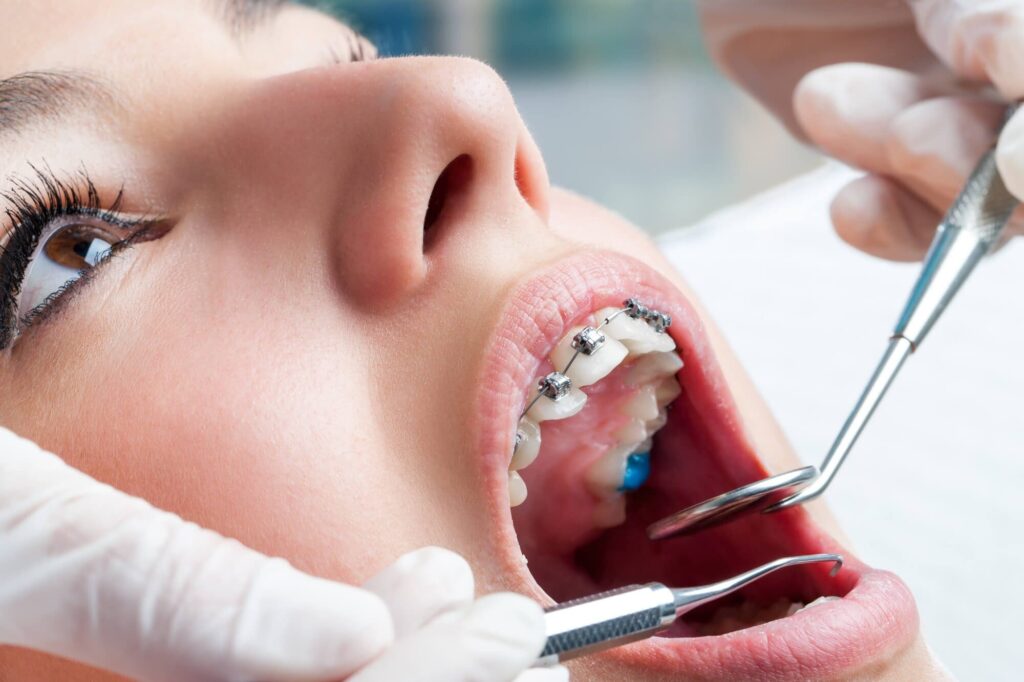
A broken bracket is one of the most common orthodontic emergencies seen in braces patients. Brackets are bonded to each tooth and connected by a wire that applies controlled pressure. Eating hard food, chewing ice, or experiencing a blow to the mouth can cause a broken braces bracket.
A loose bracket may remain attached to the wire and slide along it, while a completely broken bracket may detach from the tooth. If a loose bracket is not painful, it is usually not a true orthodontic emergency. However, a broken bracket that causes discomfort, interferes with the wire, or irritates soft tissue should be addressed promptly.
Save the broken bracket if it comes off and bring it with you to your appointment. Never attempt to glue it back on, as this can damage the tooth and compromise orthodontic care.
Poking, Protruding, or Broken Wires
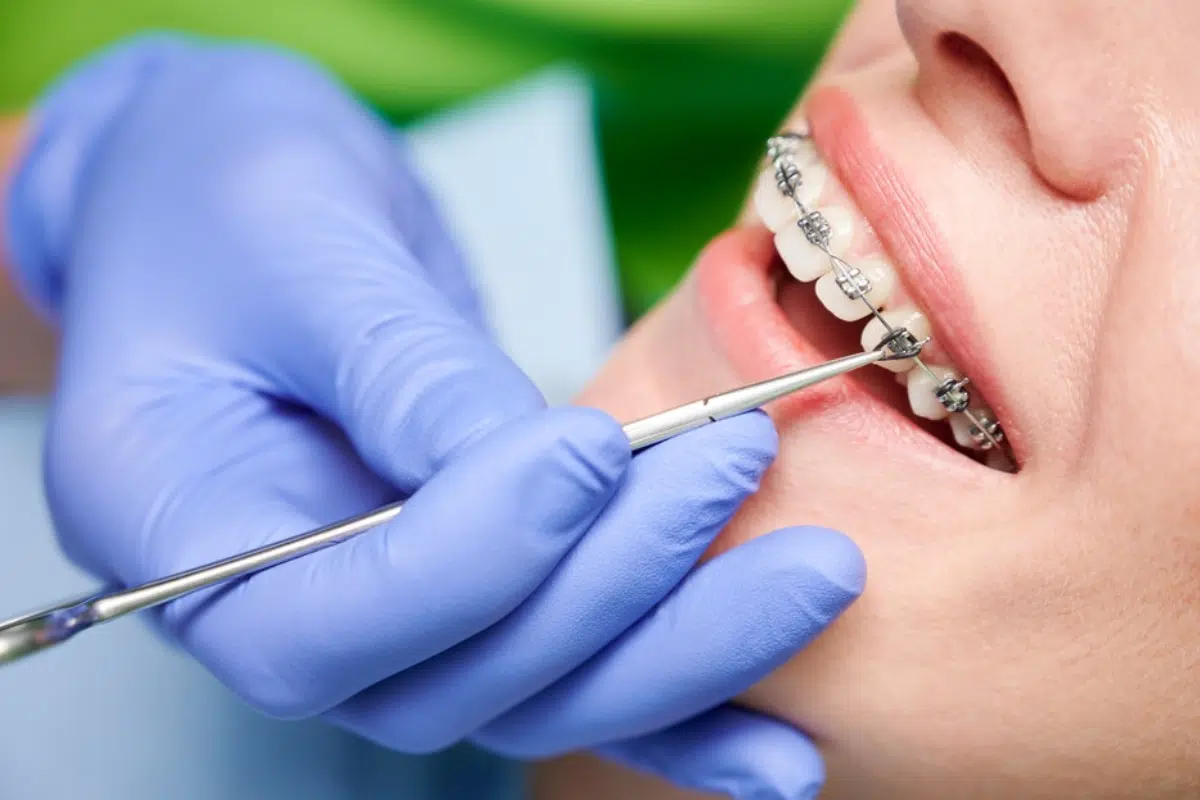
Wires play a central role in orthodontic treatment by guiding tooth movement. As teeth shift, wire ends may extend and become uncomfortable. A poking wire or protruding wire is one of the most frequent braces emergency complaints.
In some cases, the wire is simply longer because teeth have moved. In other cases, broken wires or a loose wire may result from eating hard foods or accidental bending. A poking wire can irritate cheeks, lips, and gums, sometimes causing mouth sores.
If the wire causes mild discomfort, orthodontic wax can provide temporary relief. If the wire is broken, embedded, or cutting soft tissue, this orthodontic problem should be evaluated by your orthodontist to prevent infection and further injury.
Severe Pain, Pressure, or Swelling
Some pain is expected during orthodontic treatment, especially after adjustments. This type of pressure-related discomfort usually fades within a few days. Severe pain is different and should not be ignored.
Severe pain that interferes with eating, sleeping, or daily activities may indicate an orthodontic issue that requires professional care. Swelling around the face or gums, especially when combined with pain or fever, may signal infection or trauma from orthodontic appliances.
These symptoms often require immediate attention. If swelling affects breathing or swallowing, seek urgent medical care before contacting your orthodontist.
Mouth Sores and Soft Tissue Injuries
Mouth sores are a common part of early braces treatment and after adjustments. Brackets and wires can rub against soft tissue while your mouth adapts to orthodontic appliances.
Most mouth sores heal within a few days. Rinsing with warm salt water can help soothe irritation and promote healing. However, sores that persist, worsen, or reopen repeatedly may indicate that an orthodontic appliance needs adjustment.
Persistent soft tissue injuries should be evaluated to prevent infection and ensure braces are not causing unnecessary damage.
Loose Bands, Rubber Bands, and Other Orthodontic Appliances
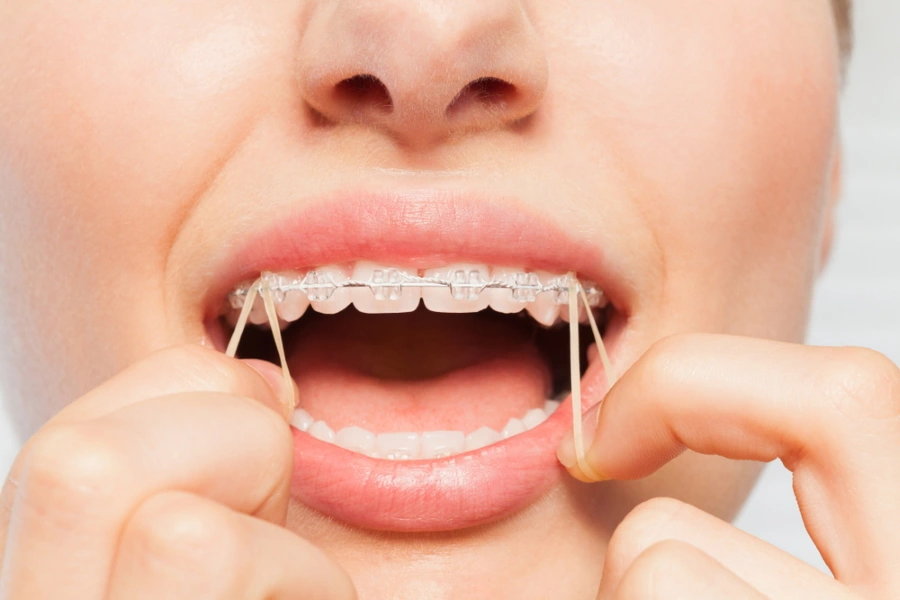
Bands, spacers, and rubber bands are essential components of orthodontic appliances. A loose band or missing rubber band does not always qualify as a true orthodontic emergency, but it can affect treatment progress.
If a band becomes loose or an appliance falls off, contact your orthodontist for guidance. They can determine whether the issue can wait or if an emergency appointment is needed to avoid delays in orthodontic treatment.
What You Can Handle at Home Versus When to Call
Understanding when home care is appropriate and when professional help is needed can save time and stress.
| Situation | Home Care | Call Your Orthodontist |
| Mild soreness after adjustment | Yes | If pain lasts more than a few days |
| Poking wire without bleeding | Yes with orthodontic wax | If discomfort continues |
| Loose bracket without pain | Yes temporarily | To schedule repair |
| Broken bracket causing pain | No | Yes |
| Severe pain or swelling | No | Yes immediately |
Helpful Tools for Minor Braces Emergencies
Keeping a few simple items on hand can make minor orthodontic issues easier to manage until professional care is available.
- Orthodontic wax to cover poking wires or brackets
- Warm salt water rinses to reduce irritation and mouth sores
- Soft foods to minimize pressure on teeth during discomfort
- Pain reliever approved by your orthodontist
These tools can help manage discomfort and protect orthodontic appliances in the short term.
Why Prompt Orthodontic Care Matters
Ignoring an orthodontic emergency can slow orthodontic treatment and increase the risk of complications. A broken bracket or damaged wire may stop teeth from moving correctly, potentially extending treatment time.
Prompt orthodontic care helps prevent worsening pain, protects oral hygiene, and ensures orthodontic appliances continue functioning as designed. Even if an issue seems minor, checking in with your orthodontist can prevent bigger problems later.
Preventing Orthodontic Emergencies
Many common orthodontic emergencies are preventable with the right habits. Avoiding hard food, maintaining excellent oral hygiene, and following care instructions can significantly reduce the risk of broken brackets and broken wires.
Wearing a mouthguard during sports and avoiding habits like chewing on pens or ice also helps protect orthodontic appliances. Preventing orthodontic emergencies not only keeps treatment on track but also reduces discomfort and stress.
Braces, Clear Aligners, and Other Treatment Types
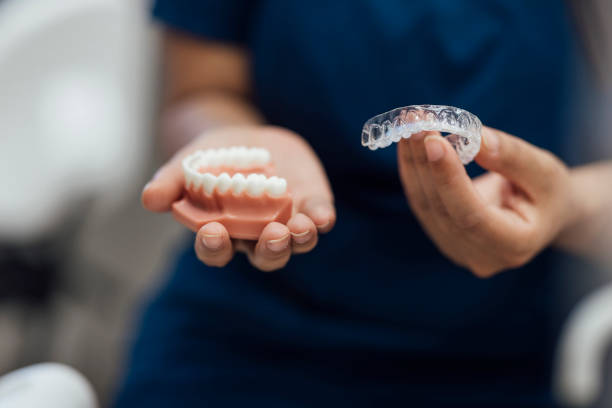
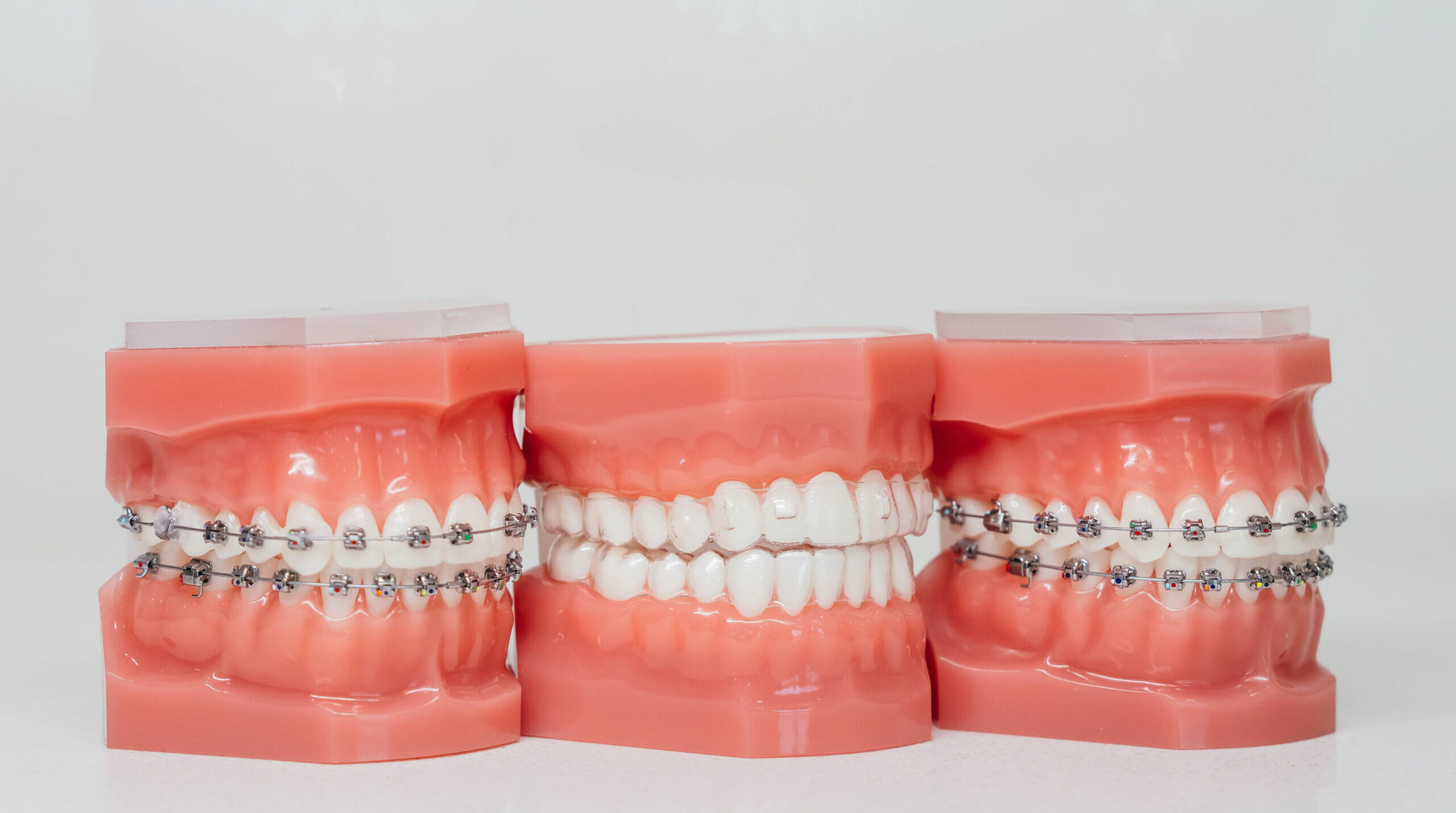
While braces account for most orthodontic emergencies, patients using clear aligner treatment may also experience orthodontic issues, such as lost aligners or discomfort. Regardless of treatment type, orthodontic emergencies should be addressed promptly to protect long-term results.
If you are unsure which treatment option is best for your needs, consulting an orthodontist near you can provide personalized guidance and expert care.
When in Doubt, Call Your Orthodontist
One of the most common mistakes patients make is waiting too long because they do not want to bother the office. Orthodontists expect questions and concerns related to orthodontic emergencies.
If you are experiencing pain, appliance damage, or anything that feels concerning, reaching out for professional help is always the right decision. Early intervention often prevents more serious orthodontic problems.
Schedule a Consultation
If you are dealing with a braces emergency, orthodontic discomfort, or concerns about your orthodontic appliances, our team is here to help. Whether you need care for a broken braces bracket, severe pain, or guidance during orthodontic treatment, we are ready to support you.
Schedule a consultation today and let our experienced team provide the orthodontic care you need to stay comfortable, confident, and on track toward your best smile.