When most people think about braces, they think about straight teeth and a more confident smile. While appearance is a noticeable benefit, orthodontic treatment is really about how your upper teeth and lower teeth come together and function as a system. A healthy bite affects how you chew, speak, and protect your teeth long term, not just how your smile looks in photos.
Looking at braces before-and-after photos can be motivating, but those images do not show the full story. Behind the visual changes are improvements in jaw balance, pressure distribution, and overall oral health. This is where orthodontics truly makes a difference, especially as the mouth changes naturally with age and daily use.
Understanding how braces treatment improves bite function can help patients see orthodontic care as a long-term investment in comfort and health rather than a purely cosmetic decision.
What Your Bite Says About Your Oral Health
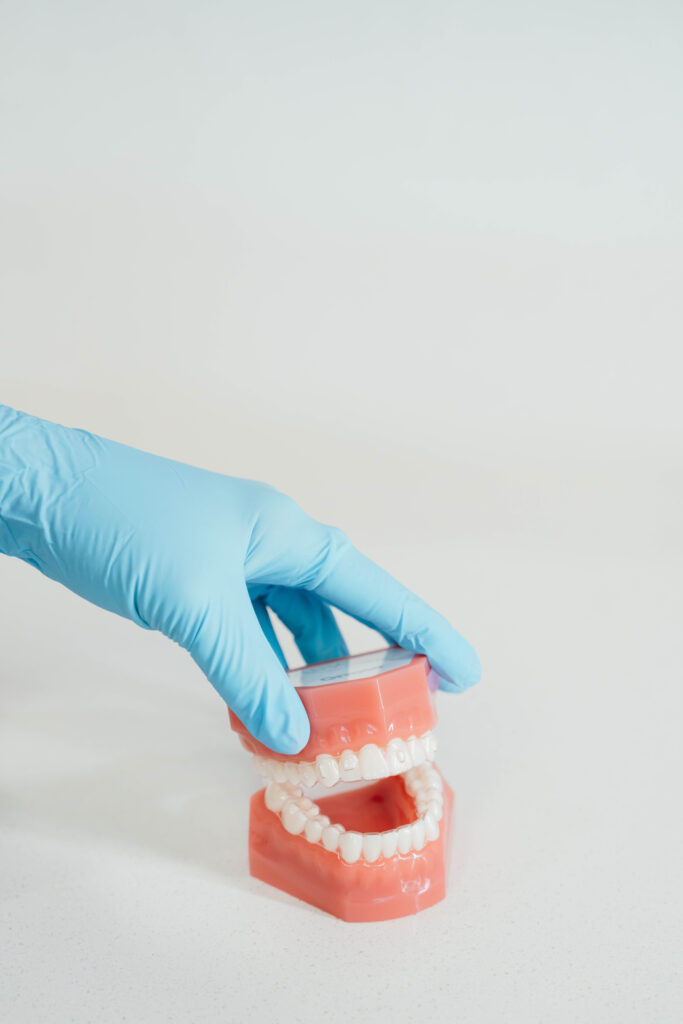
Your bite refers to how your upper teeth and lower teeth meet when your mouth closes. When alignment is healthy, pressure is distributed evenly across each tooth rather than concentrating in one area. This balance supports healthy teeth and reduces the risk of fractures, excessive wear, and sensitivity.
Misaligned teeth, overcrowded teeth, or crooked teeth can interfere with how the bite works. Over time, this can contribute to tooth decay, jaw discomfort, and uneven enamel wear. These changes often happen gradually, which is why many people adapt without realizing something is wrong.
An orthodontist looks closely at how each tooth contacts the opposing teeth, not just whether teeth appear straight. Early orthodontic treatment can prevent small alignment issues from developing into more serious orthodontic issues later in life.
Why Bite Problems Are Not Just Cosmetic
A poor bite affects more than your smile. It can impact how efficiently you chew food, how clearly you speak, and how your jaw muscles function throughout the day. Many patients unconsciously change how they chew or hold their jaw to avoid discomfort caused by orthodontic issues.
Over time, this constant compensation can strain the jaw and surrounding muscles. Some patients also experience uneven wear on specific teeth, which may increase the risk of damage or tooth loss. Orthodontic care helps restore balance so the jaw can function naturally without overworking.
Correcting bite alignment also protects surrounding teeth and supports long-term oral health by minimizing stress on individual teeth.
How Braces Correct Bite Alignment
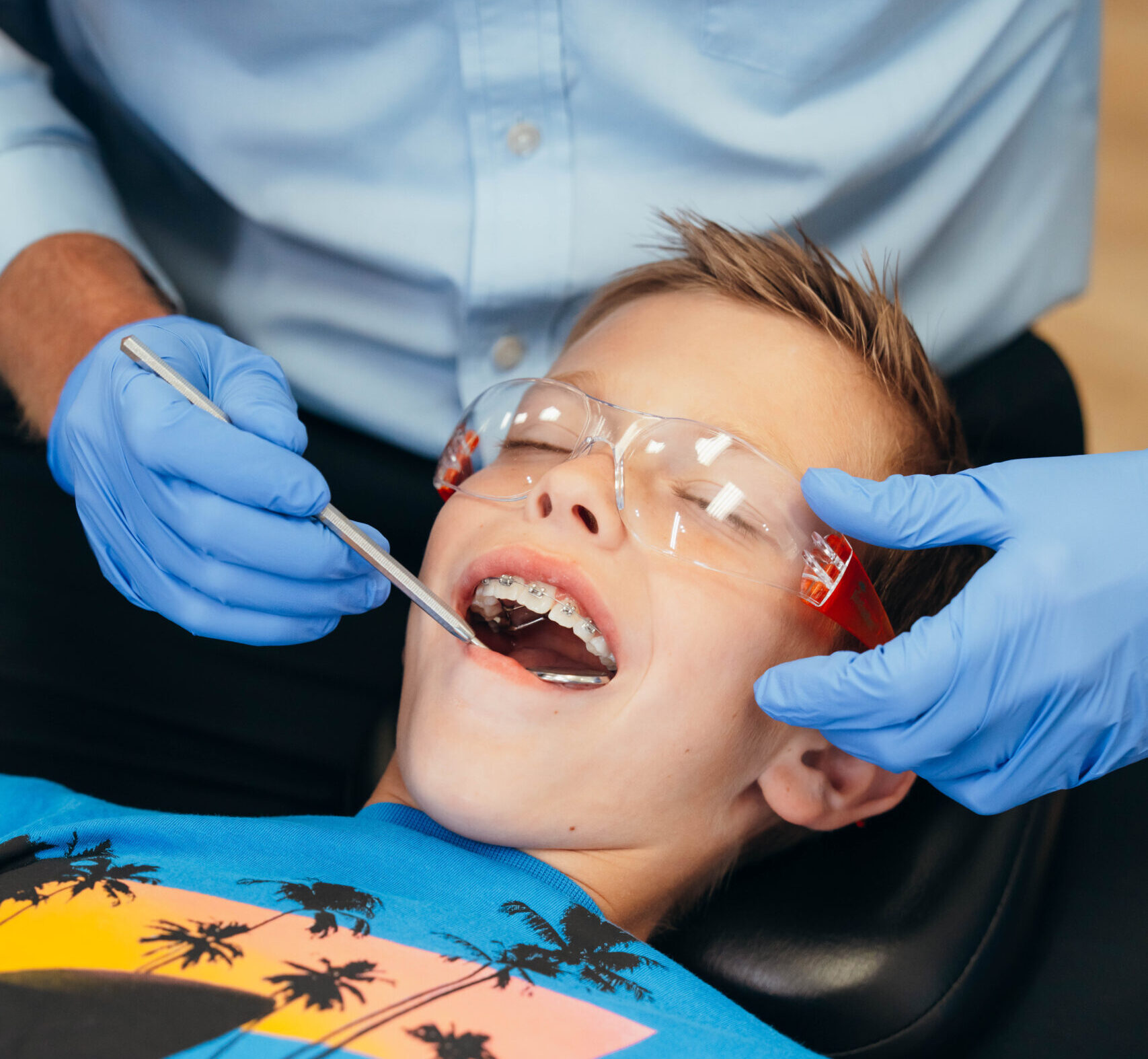
Dental braces work by applying controlled pressure to guide teeth into healthier positions. While straightening teeth is part of the process, bite correction is just as important. Braces allow orthodontists to move teeth in precise ways so they fit together correctly once treatment is complete.
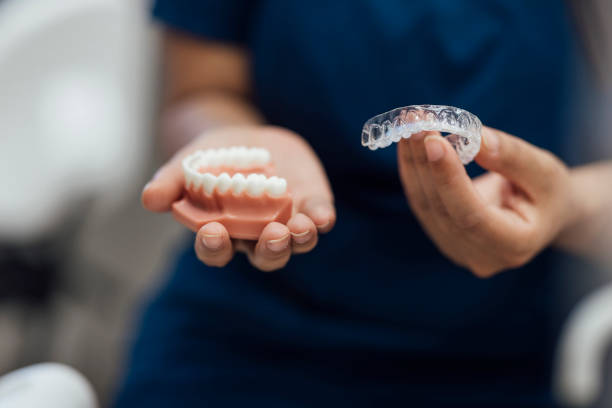
There are different types of braces available, including metal braces, ceramic braces, clear braces, traditional braces, and lingual braces. Traditional metal braces are often recommended for complex cases involving crowded teeth or significant bite problems because they provide reliable control. Clear ceramic braces offer a more subtle appearance while still allowing for effective orthodontic treatment.
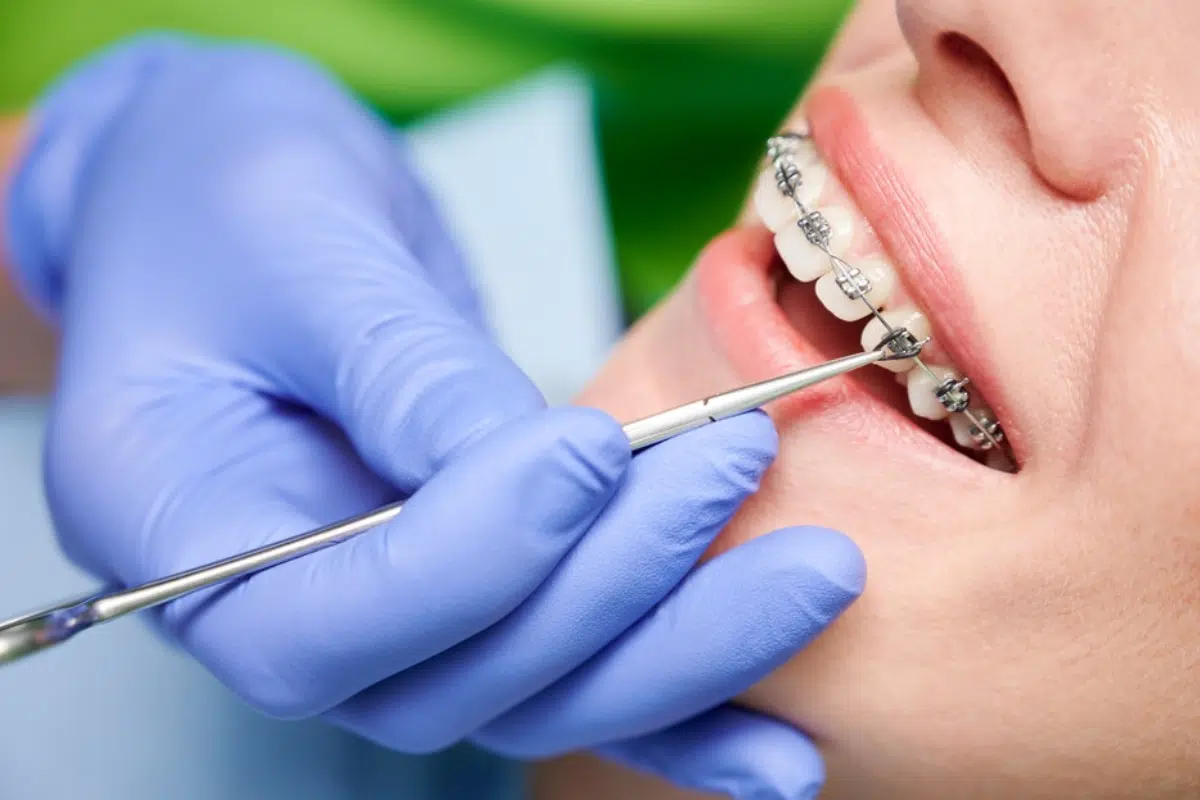
Fixed braces use brackets, a wire, and an arch wire system to guide movement. The bracket may be a metal bracket or a ceramic bracket, depending on the plan. Self-ligating braces use a different method to hold the wire in place but aim for the same outcome: a balanced, functional bite.
The Role of Rubber Bands in Bite Correction
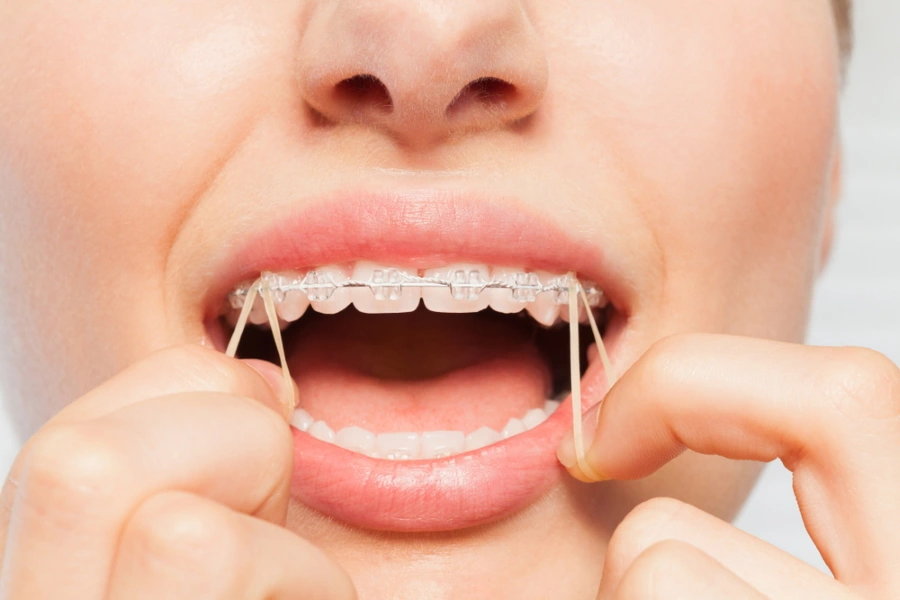
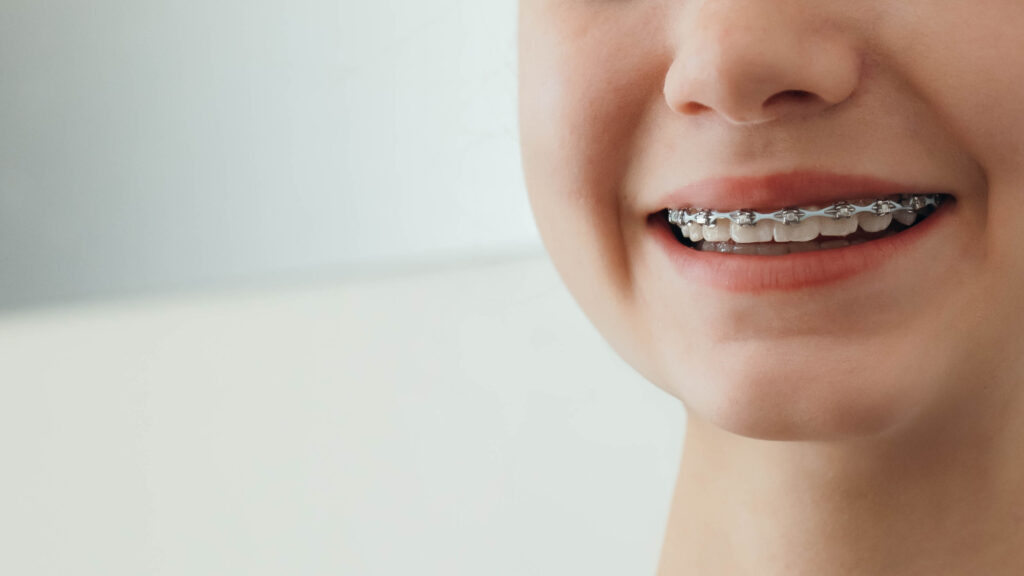
Rubber bands are a critical part of many braces treatments. While brackets and wires move individual teeth, rubber bands guide how the upper teeth and lower teeth relate to each other. Rubber bands connect different points of the braces to help correct overbites, underbites, and crossbites.
Orthodontists may call them elastic bands or elastic ties, but their purpose is the same. Consistent wear is essential because these small adjustments add up over time. Patients who wear rubber bands as instructed often see faster and more stable bite improvements.
Many braces before and after results rely heavily on rubber bands to achieve proper bite alignment.
What Bite Improvement Looks Like During Treatment
Orthodontic care follows a carefully planned sequence that prioritizes both alignment and function.
| Stage of Treatment | What Is Happening |
|---|---|
| Early phase | Crowded teeth begin to align and pressure evens out |
| Middle phase | Rubber bands and wire adjustments guide jaw position |
| Final phase | Crowded teeth begin to align, and pressure evens out |
This approach allows orthodontic braces to improve bite gradually while protecting tooth structure.
Functional Benefits Beyond Straight Teeth
Patients often expect cosmetic changes but are surprised by how much better their mouth feels after treatment. A corrected bite can improve chewing efficiency and reduce jaw fatigue during meals.
Proper alignment also makes daily hygiene easier. Straight teeth are easier to clean, which supports healthy teeth and reduces the risk of tooth decay. This is especially important for adult braces patients who may already have restorations or dental implants.
Orthodontic treatment can also help protect existing dental work by ensuring chewing forces are distributed evenly across the bite.
What Braces Before and After Photos Do Not Show
Braces before-and-after images focus on visual changes, but they do not capture how the bite feels. Many patients notice that their teeth rest more comfortably and their jaw feels more relaxed once treatment is complete.
These improvements often affect daily habits, such as eating tougher foods or speaking for long periods. A balanced bite allows the jaw to rest naturally instead of constantly adjusting.
This functional improvement is one of the most meaningful outcomes of orthodontic care.
Bite Correction and Long-Term Stability
Teeth naturally shift over time due to chewing forces, grinding, and aging. Orthodontic treatment positions teeth so they are better equipped to handle these forces without drifting.
By correcting how teeth fit together, orthodontic treatment reduces the risk of relapse and supports long-term stability. A balanced bite also helps retainers work more effectively after braces treatment ends.
This focus on stability is why orthodontists emphasize bite correction alongside straightening teeth.
Common Bite Issues Treated With Braces
Braces treatment can address a wide range of bite concerns.
| Bite Issue | How Braces Help |
|---|---|
| Overbite | Improves vertical overlap |
| Underbite | Aligns jaw relationship |
| Crossbite | Corrects uneven contact |
| Open bite | Encourages proper closure |
In some cases, early orthodontic care combined with pediatric dentistry can guide development while baby teeth are still present.
Orthodontic Treatment Is About Health, Not Just Looks
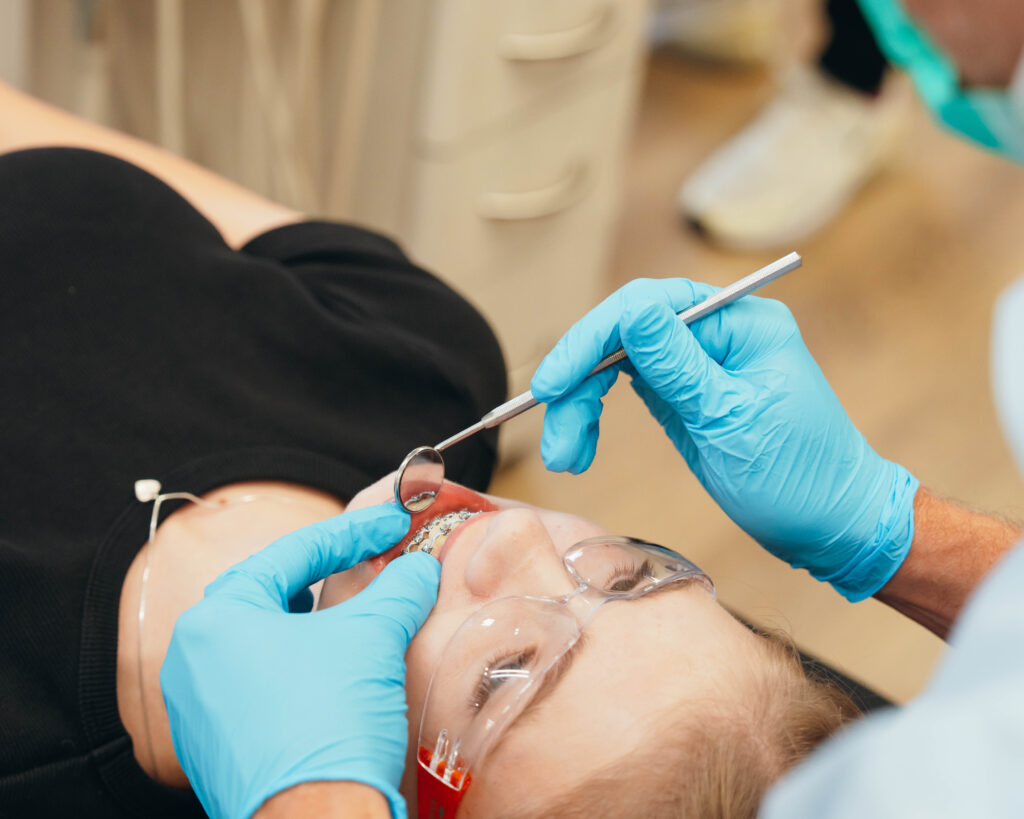
Orthodontics is often seen as cosmetic, but its foundation is functional health. Orthodontic care supports chewing, protects enamel, and reduces the risk of long-term complications. When teeth are properly aligned, pressure is distributed evenly, which helps prevent damage caused by uneven wear.
Whether someone chooses traditional metal braces, ceramic brackets, clear aligners, or invisible braces, the goal remains the same: improve bite function and support healthy teeth. In many cases, orthodontic treatment also makes routine dental care more effective by improving access for brushing and flossing. Dental insurance may help cover orthodontic treatment when bite correction is medically necessary.
Final Thoughts
Orthodontic treatment improves far more than appearance. It corrects how teeth function together, supports jaw comfort, and protects long-term oral health. A properly aligned bite can reduce daily strain on the jaw and teeth while helping prevent future dental complications.
When reviewing braces before-and-after results, remember that the most important changes often cannot be seen in photos. Rubber bands, wires, and carefully planned adjustments work together to create a bite that feels natural and lasts.
If you are considering getting braces, an evaluation with a trusted orthodontist can help determine the best approach for your needs. A healthy bite is not just about straight teeth. It is about how your smile works every day and how well it supports you over time.
Ready to Improve More Than Just Your Smile?
If you are considering orthodontic treatment, the best first step is a personalized evaluation. A professional orthodontic exam can determine how your bite, teeth, and jaw alignment are working together and which treatment option may be right for you.
Whether you are exploring braces for yourself or your child, scheduling a consultation allows you to ask questions, review options, and understand what to expect. A healthier bite can improve comfort, function, and long-term oral health.
Contact our orthodontic team today to schedule a consultation and learn how orthodontic care can support both your smile and your overall dental health.