If you are researching orthodontic care, one of the first questions that often comes up is how do braces work? Braces have been used in orthodontics for decades, yet many people still feel unsure about what actually happens during braces treatment. Whether you are considering getting braces for yourself or exploring options for a child, understanding the process makes orthodontic treatment feel far less overwhelming.
This guide explains how braces work in a clear, natural way. You will learn how dental braces move teeth, why treatment takes time, and how an orthodontist uses different tools and techniques to support healthy teeth and long-term results.
What Dental Braces Are Designed to Do
Dental braces are a form of orthodontic braces used to correct crooked teeth, misaligned teeth, overcrowded teeth, and bite problems. While many people focus on the cosmetic result of straight teeth, braces are primarily about function and oral health. Teeth that are not properly aligned are harder to clean and may increase the risk of tooth decay or uneven wear over time.
Braces apply steady pressure to each tooth, encouraging movement into a healthier position. This process supports better chewing, balanced jaw alignment, and improved long-term stability for both the upper teeth and lower teeth.
How Do Braces Work Beneath the Gums?
To truly understand how braces work, it helps to know what is happening under the surface. Each tooth sits in a socket surrounded by bone and held in place by connective tissue. When pressure is applied through braces, the bone around the tooth slowly reshapes. Bone breaks down on one side and rebuilds on the other, allowing the tooth to move safely.
This biological response is why braces treatment must be gradual. Moving teeth too quickly can lead to complications such as discomfort or damage. Orthodontic treatment works best when it respects the body’s natural process.
The Main Components of Braces
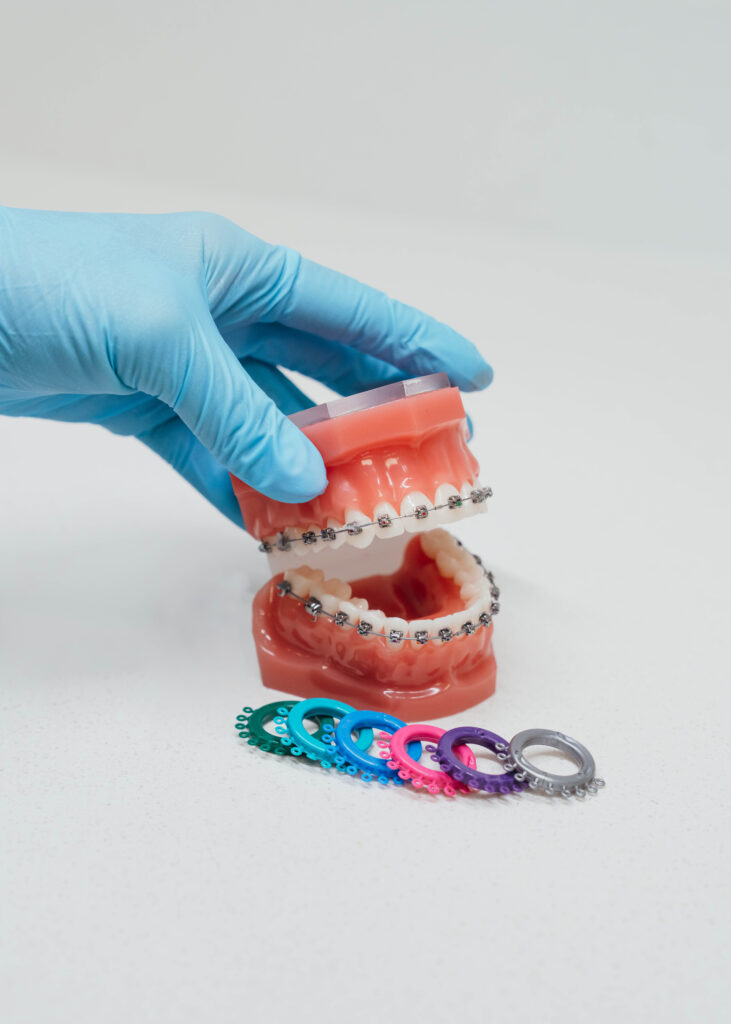
Braces may look simple, but they rely on several parts working together. Each piece plays a specific role in straightening teeth and correcting orthodontic issues.
| Component | Purpose |
|---|---|
| Brackets | Small pieces attached to each tooth |
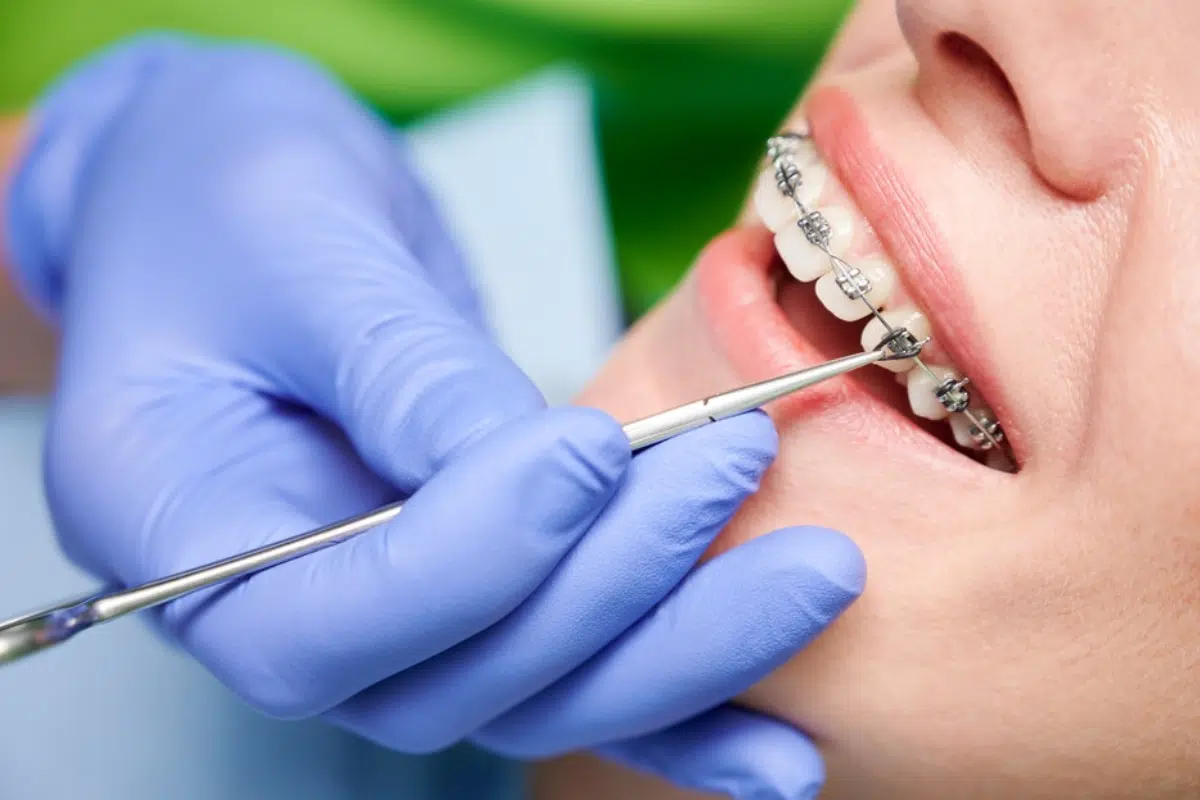
| Arch wire | Guides movement across the dental arch |
| Elastic ties | Hold the wire in place on each bracket |
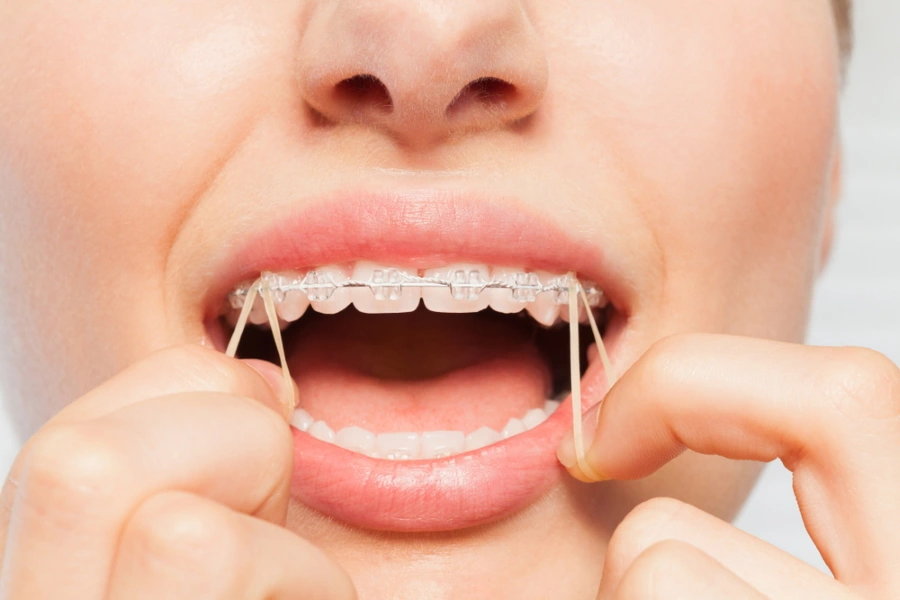
| Rubber bands | Help adjust bite alignment |
A metal bracket or ceramic brackets are bonded directly to the surface of each tooth. The arch wire connects the brackets and applies pressure. Elastic ties or self-ligating braces keep the wire secure. In some cases, elastic or rubber bands are used to correct the way the upper and lower teeth fit together.
The Step-by-Step Process of Braces Treatment
Braces treatment happens in phases, and each phase builds on the one before it. While every orthodontist creates a personalized plan, the general process remains consistent.
The first phase focuses on alignment. Teeth that are crowded or rotated begin to straighten. This stage often brings visible changes early on.
Next comes bite correction. During this phase, braces help guide the upper teeth and lower teeth into proper alignment. Elastic bands are often introduced here to support jaw balance.
The final phase fine-tunes spacing, symmetry, and overall positioning. Small adjustments during this stage help ensure the results are stable and functional.
Once braces are removed, retainers are used to prevent tooth movement while the bone fully stabilizes.
Why Braces Take Time
Many patients wonder why braces take months or even years. The answer lies in safety and long-term success. Teeth need time to move without damaging the surrounding bone or tissue.
| Factor | Impact on Timeline |
|---|---|
| Age | Younger patients often respond faster |
| Complexity | Severe orthodontic issues take longer |
| Consistency | Missed visits can delay progress |
| Oral health | Healthy teeth move more predictably |
Adult braces may take slightly longer than treatment started in childhood, but they remain highly effective. Orthodontics is about patience and precision rather than speed.
Different Types of Braces Available Today
There are various types of braces available, and an orthodontist will recommend the best option for your needs.
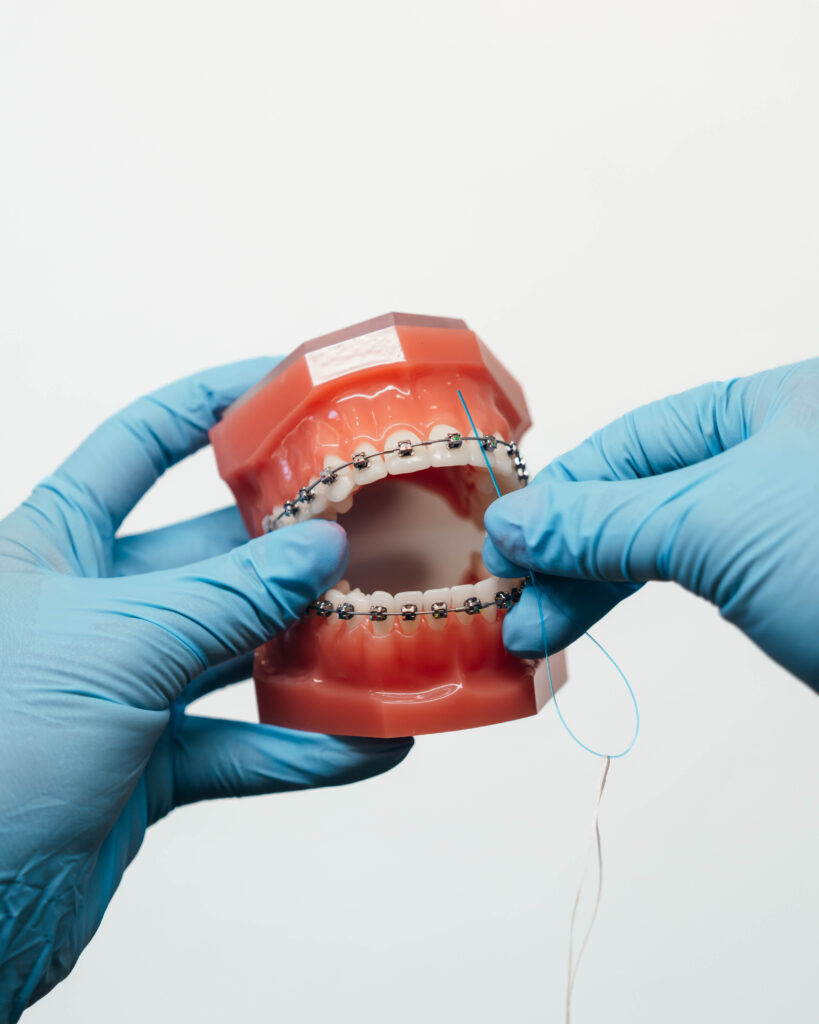
Traditional braces, also known as traditional metal braces, are the most common. They use metal braces with a wire and elastic ties to guide movement. Ceramic braces function similarly but use ceramic brackets that blend in more with natural tooth color.
Clear braces and clear ceramic braces offer a more discreet appearance while still providing the control of fixed braces. Lingual braces are attached to the back of the teeth, making them less visible from the front.
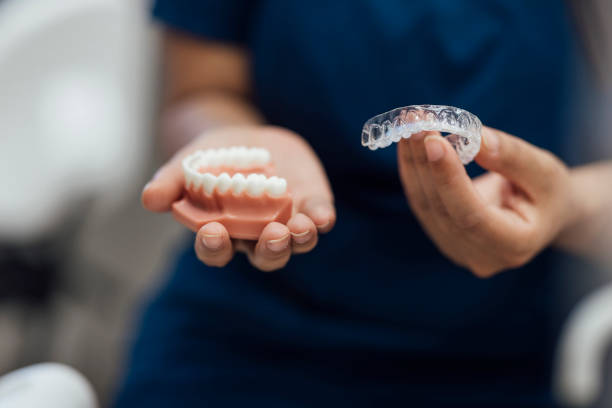
Some patients qualify for invisible braces or clear aligners, which use removable aligners to straighten teeth. While aligners are effective for certain cases, they may not address all orthodontic issues as precisely as fixed braces.
Braces Versus Clear Aligners
Clear aligners and aligners in general have become popular, especially among adults. They work by using a series of trays that gradually shift teeth. Aligners must be worn consistently to be effective.
Braces remain the preferred option for more complex orthodontic care. They allow for precise control of each tooth and are especially effective for crowded teeth, misaligned teeth, and bite correction.
Is Getting Braces Painful?
Getting braces is not painful in the way many people expect, but some soreness is normal. After adjustments, teeth may feel tender as pressure changes. This usually fades within a few days.
Discomfort is often a sign that braces are doing their job. Soft foods, avoiding chewing gum, and following care instructions help make the adjustment period easier.
Daily Life With Braces
Living with braces does require some habit changes, especially when it comes to food and oral hygiene. Keeping teeth clean is essential to avoid tooth decay and support healthy teeth throughout orthodontic treatment.
Here are foods patients are usually advised to avoid:
- Sticky candy and chewing gum
- Hard foods that can damage a bracket
- Crunchy snacks that may bend a wire
Good brushing habits protect both the tooth surface and the braces themselves.
Why Braces Are About More Than Appearance
Braces help straighten teeth, but they also support long-term oral health. Proper alignment makes teeth easier to clean and reduces stress on the jaw.
Untreated orthodontic issues can contribute to tooth loss, uneven wear, and complications that may require treatments such as dental implants later in life. Orthodontic care is often a preventative investment in lifelong dental health.
The American Dental Association supports orthodontics as part of comprehensive dental care, especially when treatment improves function and long-term outcomes.
Braces for Children, Teens, and Adults
Orthodontic care can begin early. Baby teeth and jaw development are often monitored through pediatric dentistry to identify potential concerns. Early intervention does not always mean braces, but it can reduce the severity of future treatment.
Adult braces are increasingly common. Many adults choose orthodontic treatment to address long-standing concerns or changes that occurred over time. Braces treatment can be effective at any age when gums and teeth are healthy.

The Role of the Orthodontist
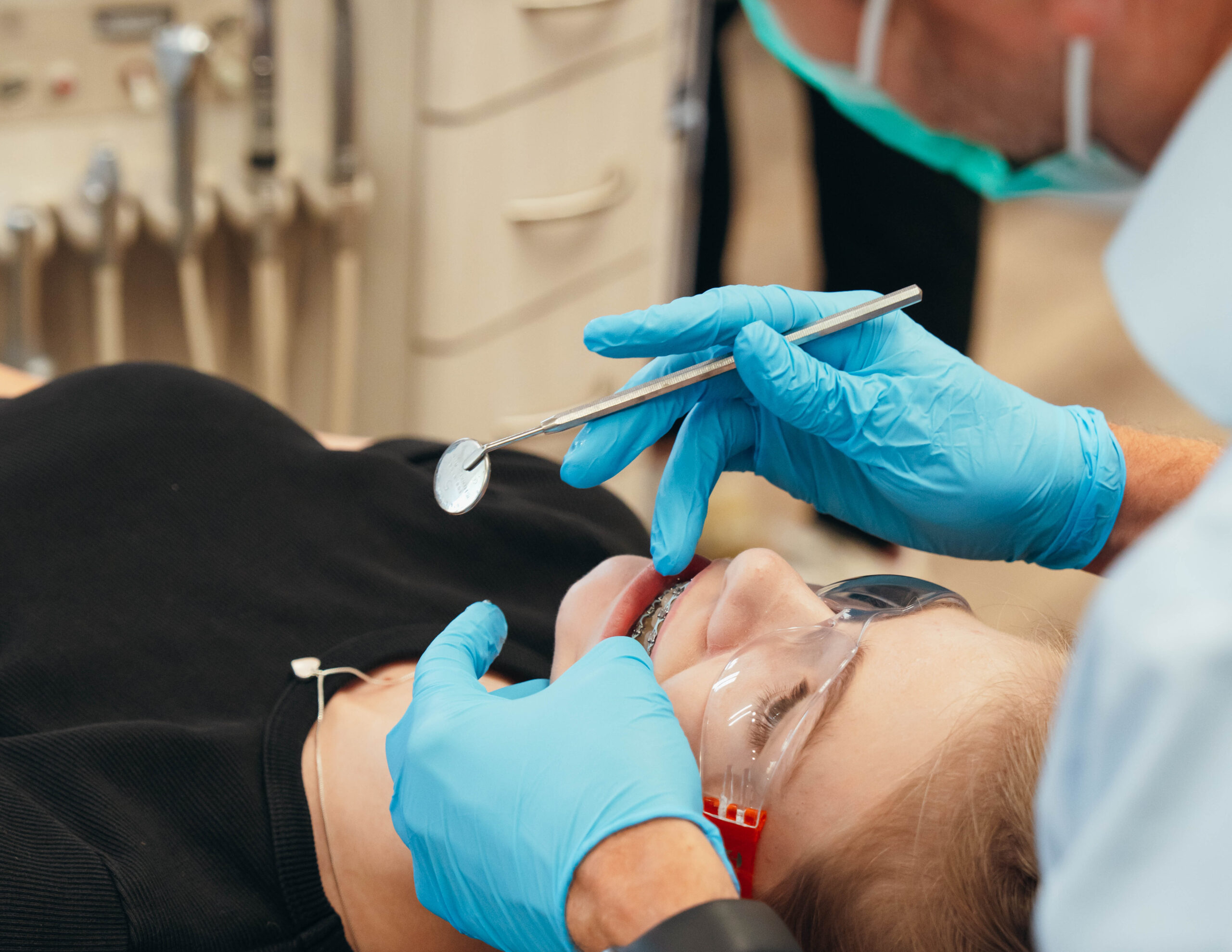
An orthodontist specializes in diagnosing and treating alignment and bite problems. They design customized plans that may include traditional braces, ceramic braces, or aligners, depending on the patient.
Orthodontic care involves regular check-ins to adjust the wire, elastic ties, or arch wire tension. These visits keep treatment moving safely and efficiently.
What Happens After Braces Come Off
Once braces are removed, retainers are essential. Teeth naturally want to shift back to their original positions, especially in the months following treatment.
Wearing retainers as instructed helps maintain straight teeth and protects the time and effort invested in orthodontic treatment.
Understanding How Braces Work Helps You Succeed
When patients understand how braces work, they are more likely to follow instructions, attend appointments, and stay committed to the process. Orthodontics is a partnership between the patient and the orthodontist.
Dental braces are not about perfection. They are about balance, function, and confidence. With the right approach and consistent care, braces can create a healthier smile that lasts.
Take the Next Step Toward a Healthier Smile
If you are considering braces or want to explore your orthodontic options, the best next step is a consultation with an experienced orthodontist. During a visit, you can ask questions, review treatment options, and get a clear understanding of what orthodontic care could look like for you or your child.
Booking a consultation is a simple way to learn whether braces, aligners, or another orthodontic treatment is the right fit. Reach out today to schedule your consultation and take the first step toward healthier teeth and a confident smile.