Orthodontic care is often associated with teenagers, but adult orthodontic treatment has become increasingly common, and for good reason. More adults are choosing orthodontic treatment not just for cosmetic reasons, but because orthodontics plays a meaningful role in improving long-term oral health. When teeth are properly aligned, and the bite functions as it should, the mouth becomes easier to clean, less prone to disease, and more comfortable overall.
Modern orthodontic treatment options are designed with adults in mind. From traditional braces to clear aligners, orthodontic treatment today is more flexible, discreet, and effective than ever before. Whether you are dealing with crooked teeth, overcrowding, or jaw alignment issues, orthodontic care can significantly improve how your mouth functions and feels.
Why Orthodontic Care Matters for Adult Oral Health
Oral health is about much more than having a straight smile. Teeth misalignment can contribute to tooth decay, gum disease, uneven tooth wear, and chronic jaw discomfort. When teeth do not fit together correctly, certain areas of the mouth become harder to clean, allowing plaque and bacteria to build up over time.
Orthodontic treatment helps create proper alignment between the upper and lower jaw, improving how the bite comes together. This alignment supports healthier jaw arches, reduces strain on the jaw joint, and helps distribute biting forces more evenly across the teeth.
Adults who invest in orthodontic care often experience fewer dental complications over time. Straighter teeth are easier to brush and floss, which directly supports better oral health and reduces the risk of long-term dental problems.
Common Oral Health Problems Orthodontic Treatment Can Address
Many adults assume orthodontic treatment is only for aesthetic concerns, but orthodontic treatments address a wide range of functional issues that affect oral health. Some of the most common teeth alignment problems seen in adults include malocclusion, overcrowding, negative underjet, and bite imbalances.
Misaligned teeth can cause food to become trapped between teeth, increasing the likelihood of cavities and gum disease. Bite issues may also cause headaches, jaw pain, or uneven wear on the upper teeth and lower teeth. Over time, this wear can damage the permanent tooth structure and lead to costly restorative treatment.
Orthodontic treatment involves correcting these underlying issues rather than masking symptoms. By improving ideal alignment, orthodontics supports healthier teeth and gums for years to come.
How Orthodontic Treatment Supports Gum Health and Prevents Tooth Decay
One of the most significant oral health benefits of orthodontic care is its impact on gum health. Crowded or overlapping teeth make it difficult to clean around the gumline, which increases the risk of gum disease. When plaque remains trapped near the gums, inflammation can develop and progress if left untreated.
Straightening the teeth improves access for brushing and flossing, allowing patients to maintain better oral hygiene. Orthodontic treatment can also help reduce areas where bacteria tend to collect, lowering the risk of tooth decay and gum disease.
For adults who have experienced dental issues in the past, orthodontic care can be an important step toward stabilizing oral health and preventing future problems.
Orthodontic Treatment Options for Adults
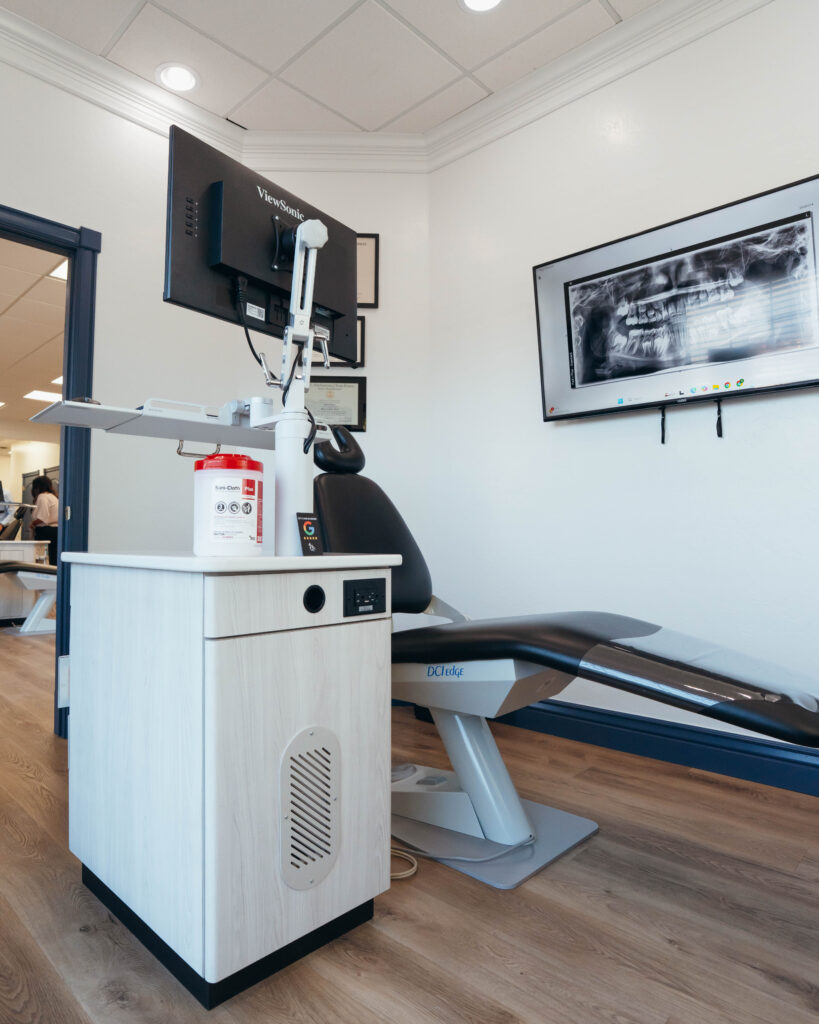
Today’s orthodontic treatment options give adults more flexibility than ever before. During a consultation, an orthodontist will evaluate diagnostic records such as bite impressions and imaging to determine the best approach for each patient. Treatment recommendations are based on tooth position, bite alignment, jaw structure, and overall oral health.
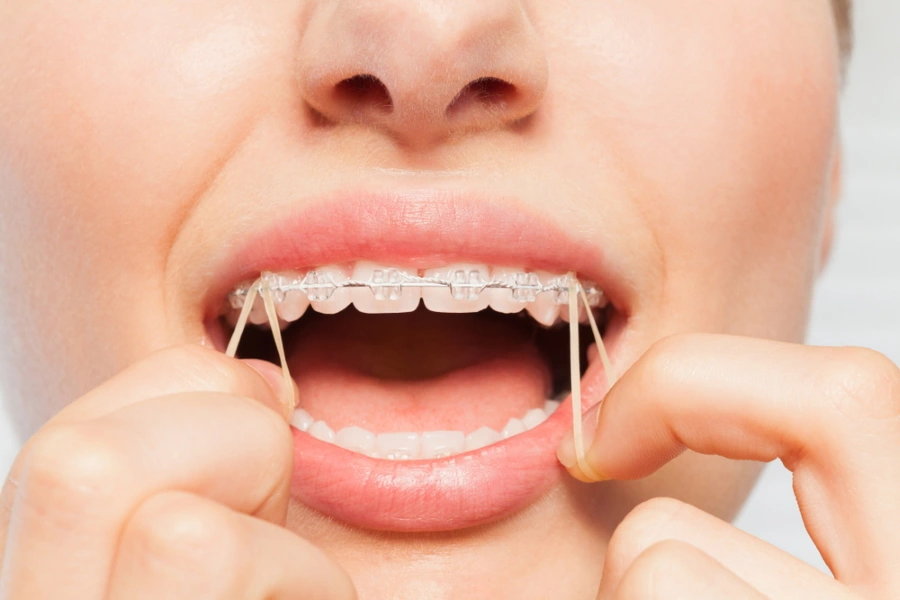
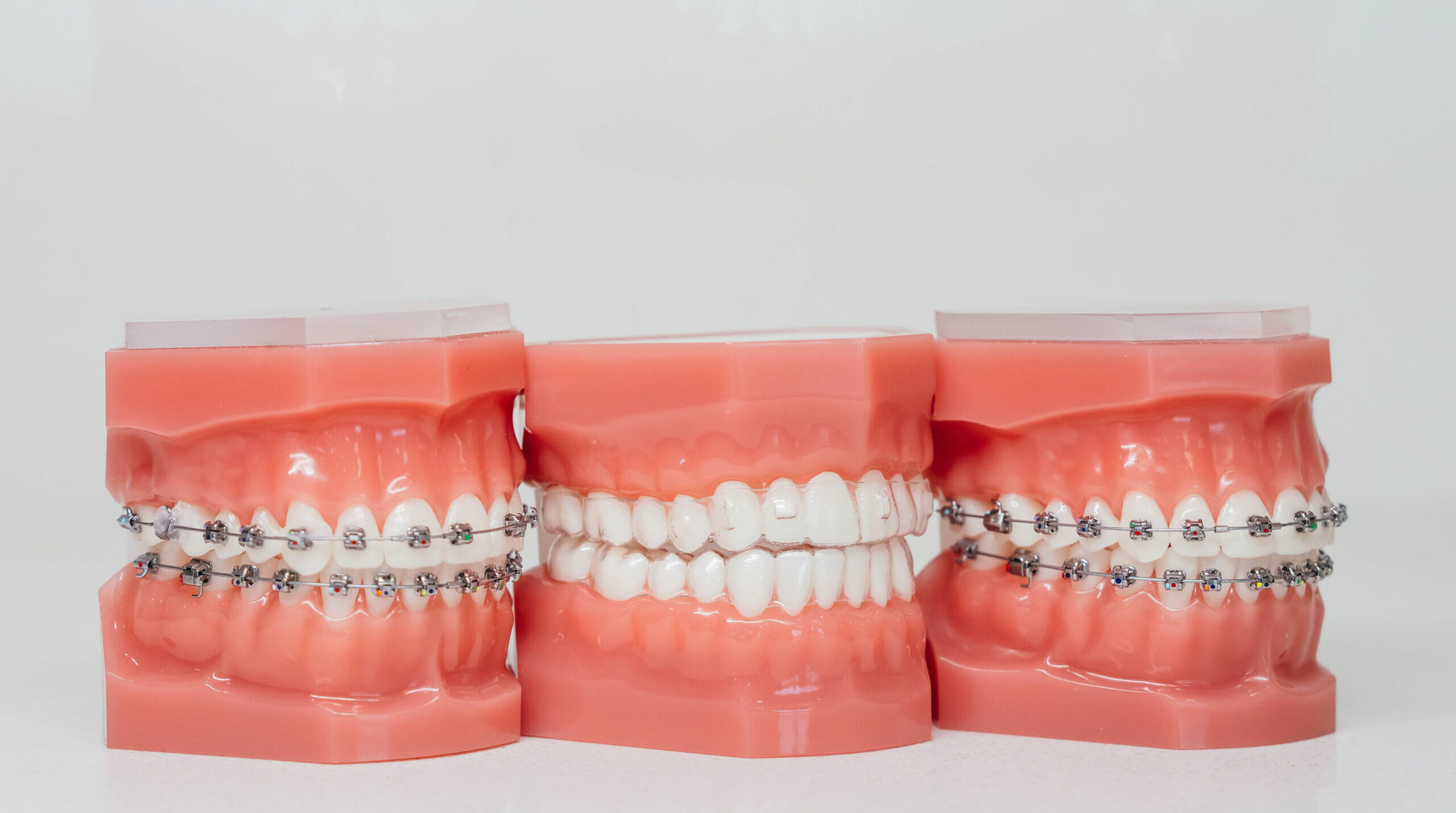
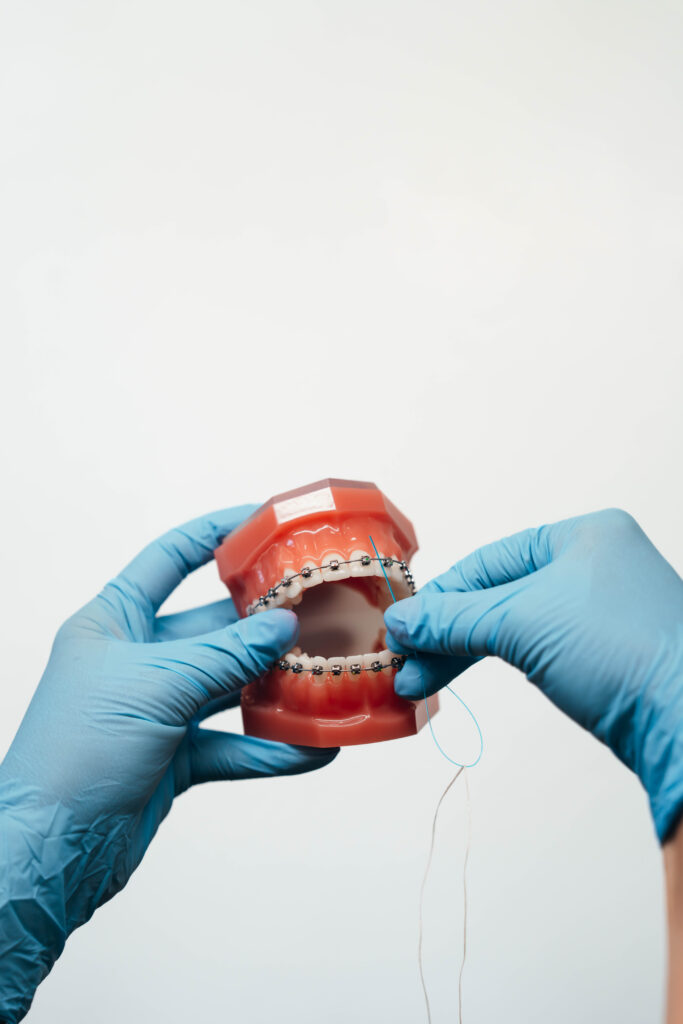
Common orthodontic treatment options include traditional metal braces, ceramic braces, and clear aligners. Each option has unique benefits depending on the patient’s needs and lifestyle.
Common orthodontic treatment options include:
- Traditional braces, including traditional metal braces and ceramic braces
- Clear aligners, such as Invisalign treatment and other aligner systems
- Fixed orthodontic appliances for more complex alignment issues
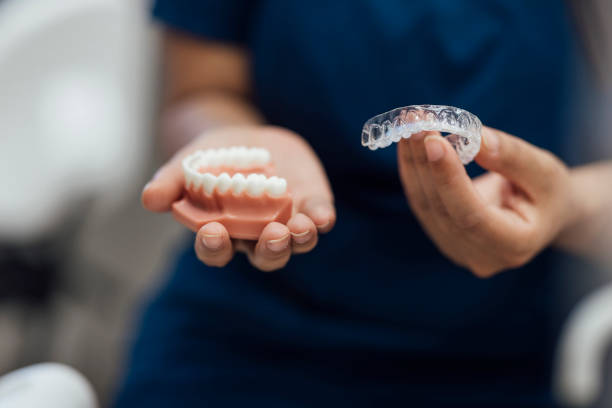
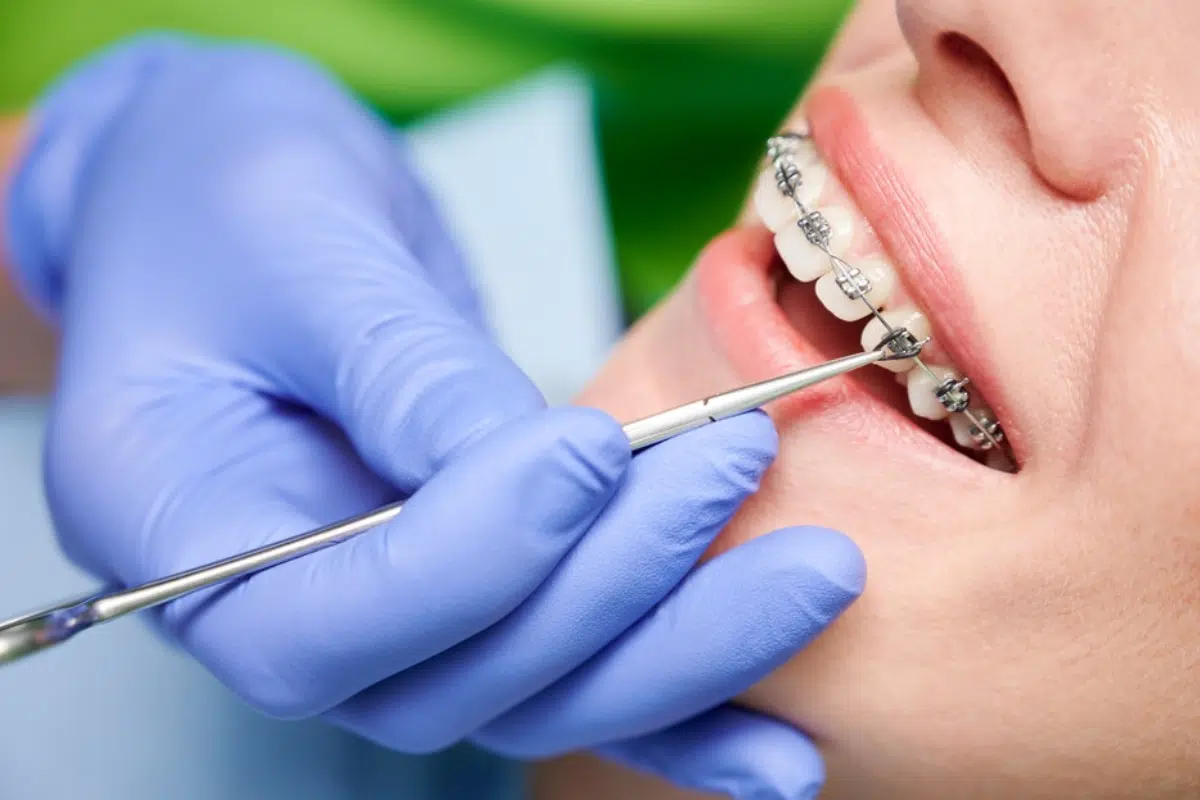
Metal braces remain a reliable option for correcting more severe malocclusion or overcrowding. Ceramic braces offer a more discreet appearance while providing similar effectiveness. Clear aligners use removable devices like Invisalign trays to gradually shift teeth and are often popular with adults seeking a low-profile option.
How Clear Aligners and Braces Improve Bite Function
A healthy bite is essential for long-term oral health. When the bite is misaligned, chewing can place excessive pressure on certain teeth, leading to enamel wear, cracks, or discomfort. Orthodontic treatment helps balance the bite by improving how the upper teeth and lower teeth meet.
Clear aligners and braces both work to guide teeth into proper alignment over time. While aligner treatment is removable and typically suited for mild to moderate cases, braces may be recommended for more complex orthodontic treatment involve structural changes to the jaw arches.
Correcting bite issues through orthodontics helps protect adult tooth structure and supports more comfortable chewing and speaking.
The Connection Between Orthodontics and Jaw Health
The jaw joint plays a critical role in everyday activities such as chewing and speaking. When teeth are misaligned, the jaw may shift or compensate during movement, leading to joint strain. Over time, this strain can cause discomfort, clicking, or limited movement.
Orthodontic care helps align the teeth so that the jaw can function in a more natural position. Improving alignment between the upper jaw and lower jaw reduces unnecessary stress on the jaw joint and supports long-term joint health.
For adults experiencing jaw discomfort related to bite issues, orthodontic treatment can be a meaningful solution rather than a temporary fix.
Orthodontic Treatment and Long-Term Tooth Preservation
Protecting natural teeth is a key goal of modern dentistry. When teeth are misaligned, uneven pressure can lead to excessive wear on specific teeth. Over time, this wear can weaken enamel and increase the risk of fractures or sensitivity.
Orthodontic treatment helps distribute biting forces evenly across the teeth, reducing wear and preserving the integrity of each tooth. This is especially important for adults who want to avoid restorative procedures later in life.
By improving proper alignment, orthodontic care supports the longevity of both adult tooth structure and surrounding bone.
Adult Orthodontic Treatment Is Different Than Childhood Treatment
Adult orthodontic treatment differs from early treatment provided during childhood or pediatric dentistry. Adults have fully developed jaw structures and permanent teeth, which means treatment planning must be precise and personalized.
While baby tooth alignment plays a role in childhood orthodontics, adult orthodontic treatment focuses on maintaining bone health, managing existing dental restorations, and ensuring treatment fits into a patient’s lifestyle.
An experienced orthodontist will consider patient information, dental history, and oral health status when creating a treatment plan tailored to adult needs.
What to Expect During Orthodontic Treatment
Orthodontic treatment typically begins with a comprehensive evaluation that includes diagnostic records and bite impressions. Once a treatment plan is created, active treatment begins with either braces or aligners.
Throughout treatment, patients attend regular checkups to monitor progress and make adjustments as needed. Active treatment length varies depending on the complexity of the case, but most adults find the process manageable and rewarding.
After treatment is complete, retainers are often recommended to maintain results and support long-term oral health.
Why Adults Are Choosing Orthodontics More Than Ever
There has been a noticeable increase in adults seeking orthodontic care, supported by recommendations from organizations like the American Association of Orthodontics. Advances in orthodontic technology have made treatment more comfortable, efficient, and discreet.
Adults today recognize that orthodontic care is not just about appearance. It is about preventing dental issues, improving function, and supporting overall oral health. Orthodontic treatment options allow adults to choose solutions that fit their lifestyle while still delivering lasting results.
Is Orthodontic Treatment Worth It for Adults?
For many adults, orthodontic treatment is a worthwhile investment in both health and confidence. Straighter teeth improve oral hygiene, reduce the risk of dental disease, and support proper bite function.
Orthodontic treatments provide long-term benefits that extend far beyond aesthetics. Whether addressing crooked teeth, overcrowding, or bite concerns, orthodontic care supports healthier smiles for years to come.
If you have been considering adult orthodontic treatment, learning more about your options is the first step toward better oral health.
Schedule a Consultation
Orthodontic care can make a meaningful difference in your oral health at any age. If you are ready to explore orthodontic treatment options or want to learn more about how orthodontics can improve your smile and function, schedule a consultation with our orthodontic team today. We are here to help you take the next step toward healthier teeth and a confident smile.