Rubber bands for braces are a vital component of modern orthodontic treatment. While braces or clear aligners straighten teeth, rubber bands for braces help align the upper and lower teeth and the lower jaw, creating a functional and balanced bite. Patients are often surprised when orthodontic elastics are introduced into their treatment plan, but these small elastics provide additional pressure and force necessary for proper bite correction and long-term oral health. Understanding the role of rubber bands in braces helps patients navigate their orthodontic journey with confidence.
How Rubber Bands for Braces Support Orthodontic Treatment
Orthodontic treatment is about more than straight teeth. Proper alignment improves chewing efficiency, reduces strain on the upper and lower jaws, and supports overall oral health. Misaligned teeth can cause uneven wear, discomfort, and, over time, contribute to tooth decay or gum disease. Rubber bands for braces are used when braces or clear aligners alone cannot achieve proper tooth movement and bite correction.
Patients undergoing orthodontic care often seek treatment for crooked teeth, gaps, overbites, underbites, crossbites, and jaw misalignment. While braces move individual teeth using brackets and wires, elastics connect different parts of the braces to guide the bite. Orthodontic rubber bands ensure that the upper teeth and lower teeth meet correctly, distributing force evenly across the jaw and supporting proper alignment throughout treatment.
Why Orthodontic Elastics Are Used
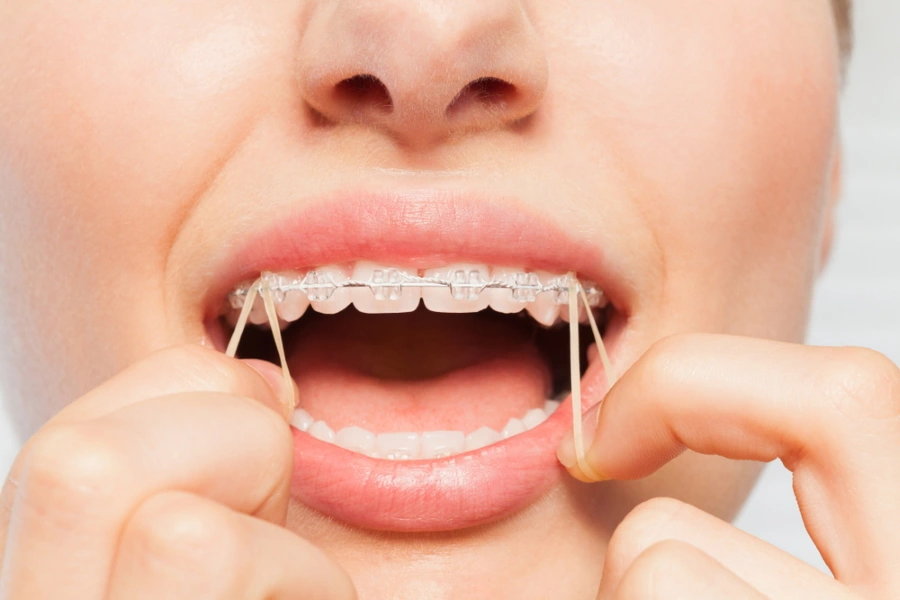
Rubber bands for braces, also known as orthodontic elastics, exert continuous pressure that encourages tooth movement and bite correction. Unlike braces wires, which primarily move individual teeth, elastics influence the relationship between the upper jaw and lower jaw. Without orthodontic elastics, teeth may appear straight, but the bite can remain misaligned, leading to functional problems and long-term oral health concerns.
Orthodontists design the placement and type of elastics based on the patient’s orthodontic needs. These forces help guide the teeth and jaws into their ideal positions, ensuring the patient achieves both a straighter smile and proper alignment. Consistency is critical, as missing even a few hours of wear can slow progress and extend overall treatment time.
Bite Issues That Often Require Rubber Bands
Rubber bands for braces are commonly recommended to address bite issues. Overbites occur when the upper teeth overlap the lower teeth excessively, while underbites appear when the lower teeth extend in front of the upper teeth. Crossbites involve upper teeth sitting inside the lower teeth, and open bites happen when the teeth do not meet when the mouth closes. Orthodontic rubber bands apply a gradual force that repositions the upper and lower jaws, improving bite function and tooth alignment.
Malocclusion is another condition that often requires orthodontic elastics. Patients with bite problems such as overbites, underbites, or crossbites may need different types of elastics to guide the bite into proper alignment, ensuring long-term stability and reducing the risk of tooth wear or jaw discomfort.
How Rubber Bands Work With Braces and Aligners
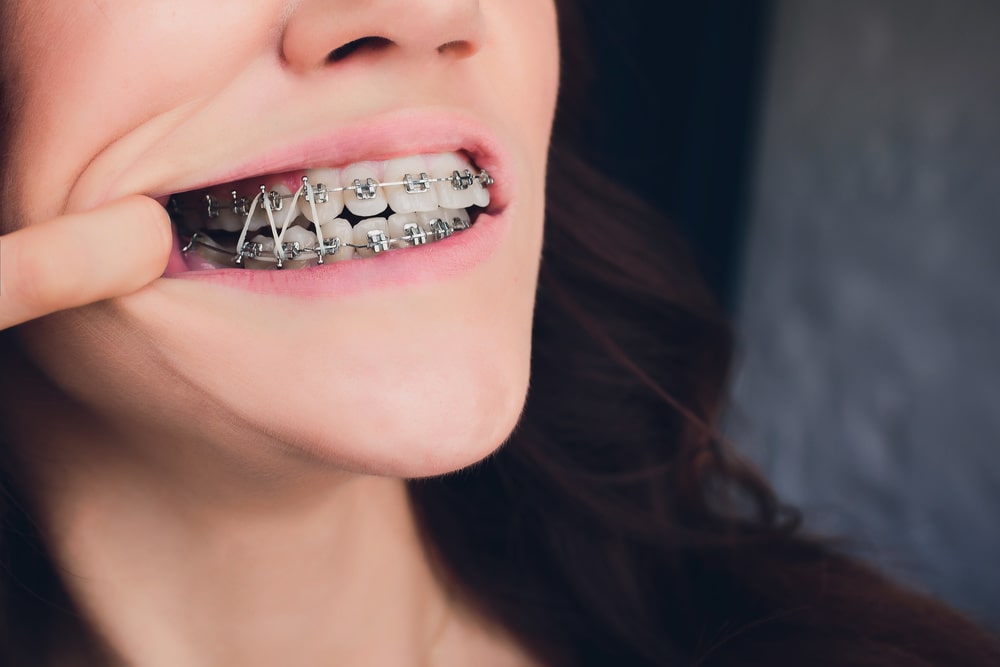
Rubber bands for braces attach to hooks on brackets or attachments on clear aligners. Each patient’s placement is unique and determined by the orthodontist based on bite correction needs. Elastics create pressure that moves sections of the bite together, rather than just individual teeth. By coordinating movement between the upper teeth and lower teeth, orthodontic elastics ensure that braces or aligners achieve their full effect.
Patients must wear rubber bands consistently for the best results. Skipping days or wearing them incorrectly slows progress. Regular visits allow the orthodontist to adjust the placement, size, and type of elastics, maintaining steady pressure for optimal tooth movement and bite alignment.
Different Types of Rubber Bands for Braces
Orthodontists use different types of rubber bands for braces depending on the patient’s needs. Class II elastics are typically used to correct overbite alignment by connecting the upper teeth to the lower teeth with targeted pressure. Class III elastics address underbite alignment by applying force in the opposite direction. Vertical elastics help close open bites, while cross elastics adjust side-to-side discrepancies. Each patient may require different types and sizes of elastics throughout their treatment plan to ensure proper alignment and bite correction.
| Type of Rubber Band | Purpose in Orthodontic Treatment | How It Works |
|---|---|---|
| Class II Elastics | Correct overbite | Connect upper teeth to lower teeth, applying forward pressure on the lower jaw and backward pressure on the upper jaw |
| Class III Elastics | Correct underbite | Connect lower teeth to upper teeth, applying forward pressure on the upper jaw and backward pressure on the lower jaw |
| Vertical Elastics | Close open bites | Pull upper teeth and lower teeth together vertically, improving bite contact |
| Cross Elastics | Fix crossbites | Pull the upper teeth and lower teeth together vertically, improving bite contact |
What to Expect When Starting Rubber Bands for Braces
Many patients anticipate discomfort when starting rubber bands, but mild pressure or soreness is normal and indicates that the elastics are working. This sensation is similar to regular orthodontic adjustments and usually fades as the patient adapts. Orthodontists often recommend eating soft foods during the first few days and following specific care instructions to reduce discomfort.
Adults beginning orthodontic treatment may experience more sensitivity, especially when permanent teeth are involved, but this typically resolves within a short period. Patients who consistently wear elastics experience more predictable tooth movement and faster treatment outcomes.
Duration of Rubber Band Use
The length of time patients wear rubber bands for braces depends on the severity of bite issues and the overall orthodontic treatment plan. Some patients need elastics for a short phase, while others may require them for several months. Factors that influence duration include the patient’s bite correction needs, jaw growth, consistency in wearing elastics, and progress in tooth movement. Regular orthodontic checkups allow adjustments to elastic type, size, and placement to maintain proper pressure and achieve optimal results.
Long-Term Benefits of Rubber Bands for Braces
Rubber bands for braces provide significant long-term benefits. Proper alignment of the upper jaw and lower jaw reduces stress on teeth and jaw joints, minimizes uneven wear, and improves chewing efficiency. Straighter teeth with proper alignment support oral health by making it easier to maintain good hygiene and reducing the risk of tooth decay and gum disease. Adult orthodontics also benefits from rubber bands, as correcting longstanding bite issues can improve both appearance and jaw function. Consistent wear of elastics ensures that patients achieve the best results from their orthodontic care.
Taking the First Step
Every patient’s teeth and bite are unique, and orthodontists create personalized treatment plans to address each individual’s orthodontic needs. During a consultation, the orthodontist evaluates the upper teeth, the lower jaw, and the overall bite to determine whether braces, aligners, or rubber bands are needed. Early evaluation ensures timely treatment, providing patients with straighter teeth, proper alignment, and a healthy bite.
Final Thoughts
Rubber bands for braces, also known as orthodontic elastics, are an essential part of many orthodontic procedures. They provide additional pressure and force that guide tooth movement and bite correction in ways braces or aligners alone cannot achieve. Following the orthodontist’s instructions and maintaining consistent wear is key to achieving a straighter smile, proper alignment, and improved oral health. Rubber bands for braces help patients reach their orthodontic goals efficiently, ensuring functional and aesthetic results that last for years.