Patients often walk into our office asking one straightforward question: how long does Invisalign take? That question makes sense. Orthodontic treatment requires time, consistency, and trust, and most people want a realistic picture before committing.
As an orthodontic office that provides clear aligners, we guide patients through this process every day. Some come in looking for a minor cosmetic adjustment, while others need comprehensive orthodontic treatment. Invisalign works well across that spectrum when planned and monitored correctly.
This guide explains treatment timelines, factors that affect how long treatment lasts, the results patients can expect, and how it compares to braces.
Invisalign vs Traditional Braces: Which Is Right for You?
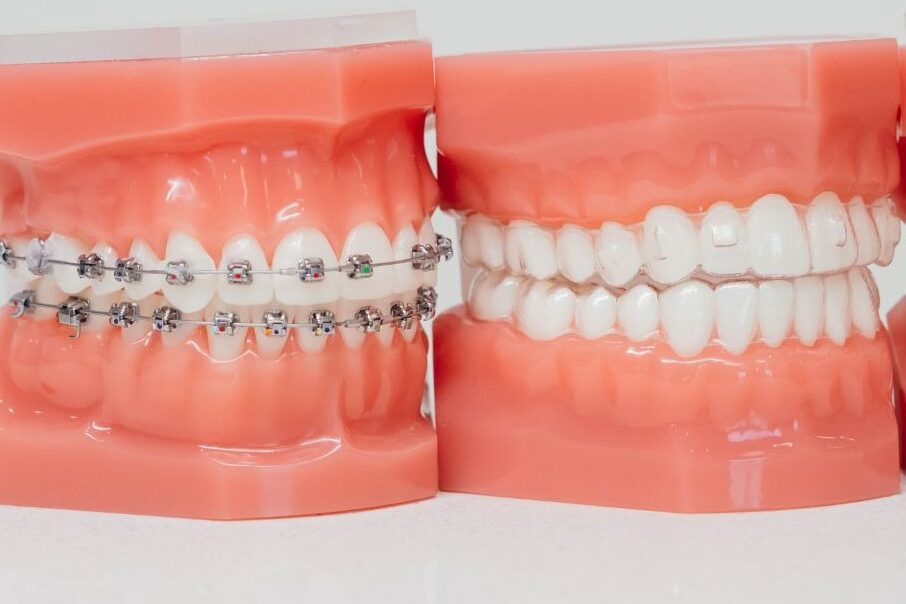
Choosing between Invisalign and traditional braces depends on several factors, including treatment needs, lifestyle, and long-term goals. Traditional metal braces use fixed brackets and wires to move teeth and remain an effective option for complex orthodontic treatment. Because braces stay in place throughout treatment, they apply constant pressure, but can make daily cleaning more challenging.
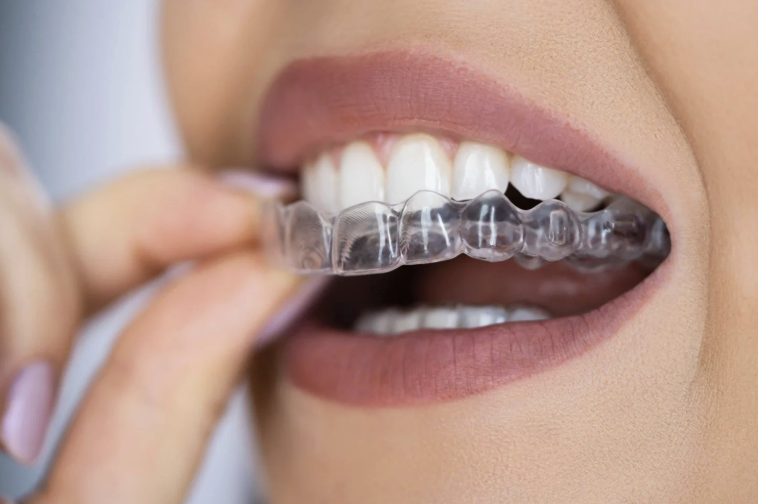
Clear aligners offer a removable and more discreet alternative. Patients can remove aligners to eat, brush, and floss, which often makes Invisalign easier to manage day to day. Treatment timelines for Invisalign and braces can be similar, depending on alignment and bite concerns. An orthodontist evaluates each case and recommends the option that provides predictable and stable results.
Clear Aligner Technology and the Invisalign System
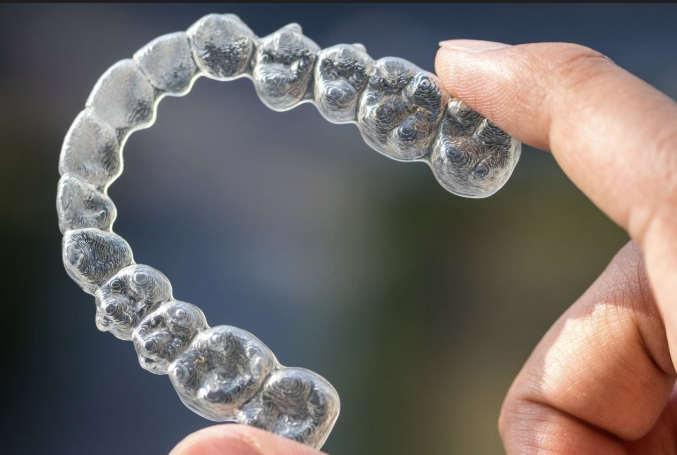
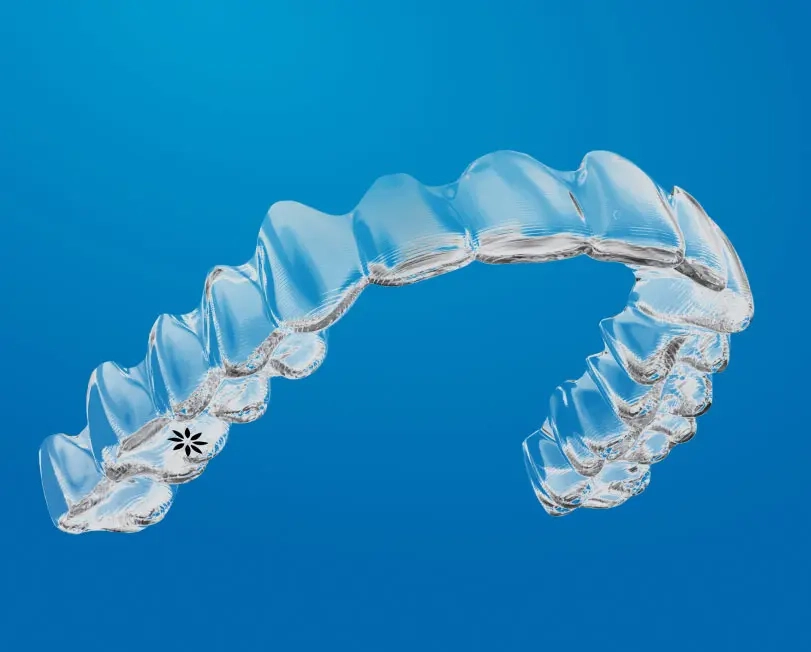
The Invisalign system uses advanced digital planning developed by Align Technology to guide precise tooth movement. Orthodontists create a customized treatment plan that maps out how each tooth will shift over time, enabling predictable orthodontic treatment.
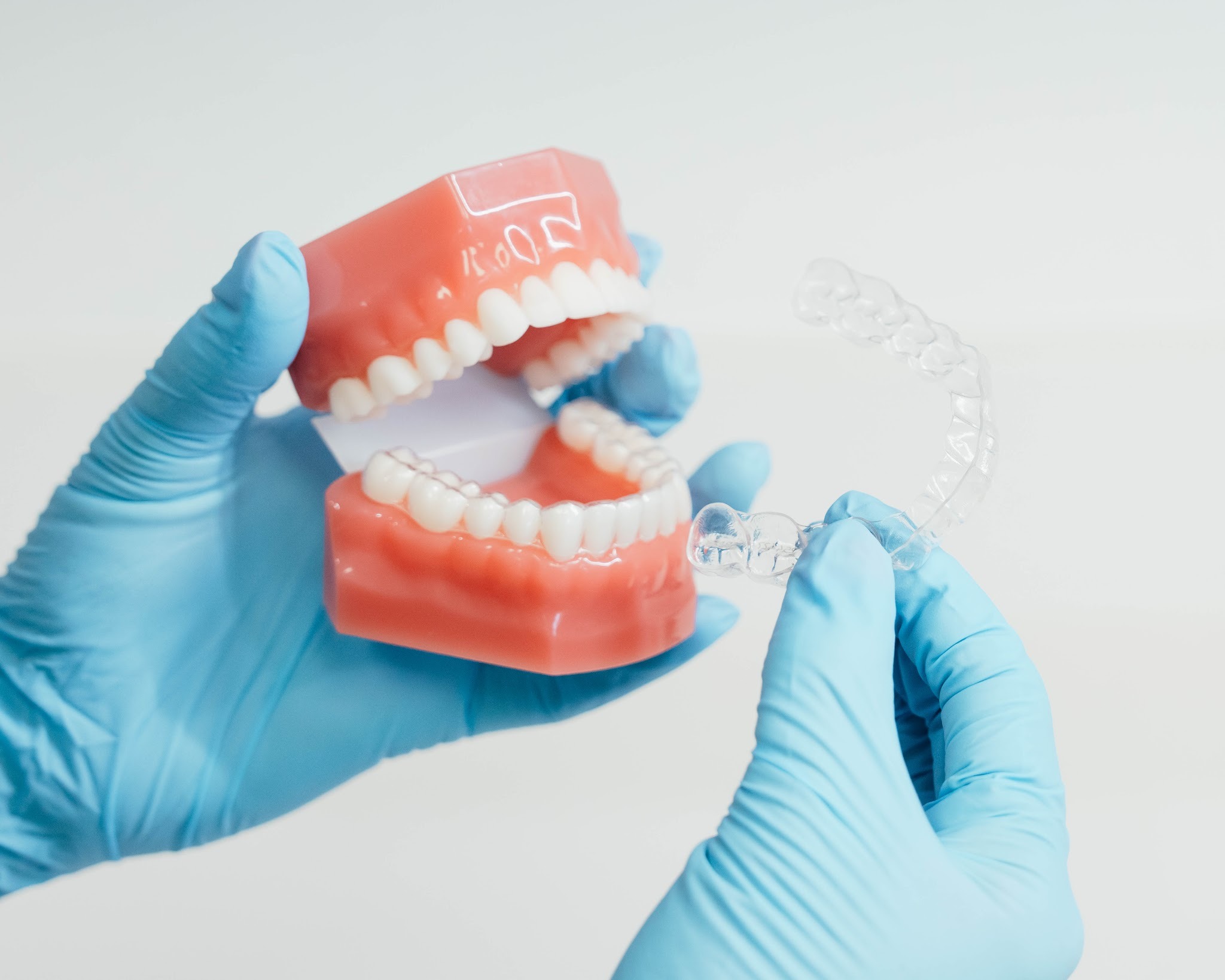
Invisalign aligners are made from SmartTrack material, designed to apply consistent, gentle force. Each set of aligner trays builds on the progress of the previous one. Clear aligner treatment relies on regular wear and orthodontist monitoring to ensure teeth track properly and treatment stays on schedule.
How Long Does Treatment Take on Average?
Most patients complete treatment in six to eighteen months. Shorter timelines often apply to mild spacing or crowding, while more complex cases require longer timelines.
Orthodontic treatment moves teeth gradually to protect bone and gum health. While many patients notice changes early, finishing treatment properly helps ensure long-lasting results.
Average Invisalign Treatment Timelines
| Case Type | Estimated Treatment Time |
|---|---|
| Minor spacing or crowding | 3 to 6 months |
| Moderate alignment issues | 6 to 12 months |
| Complex bite correction | 12 to 18 months |
Every smile responds differently, which is why an in-office evaluation matters.
What Influences How Long Invisalign Treatment Takes?
Several factors affect Invisalign treatment length. Orthodontists look beyond straight teeth and consider how the bite functions, how teeth track during movement, and how consistently aligners are worn.
Key factors include:
- Severity of crowding, spacing, or bite concerns
- Bite alignment and jaw positioning
- Daily wear time of aligner trays
- Need for refinements later in treatment
- Age and biological response to tooth movement
Patients who wear aligners 20 to 22 hours per day usually stay on schedule. Skipping wear time can slow progress and increase treatment length.
The Invisalign Process From an Orthodontist’s Office
Understanding the process helps patients feel confident and prepared.
Initial Consultation and Digital Planning
Treatment begins with an initial consultation. During this visit, the orthodontist evaluates alignment, bite, and overall oral health. Digital scans replace traditional impressions and allow precise planning through Align Technology software.
This technology creates a step-by-step treatment plan that shows how teeth will move throughout Invisalign treatment.
Custom Aligners and SmartTrack Material
Align Technology Inc manufactures Invisalign aligners using SmartTrack material. Each aligner tray applies controlled pressure designed to move teeth efficiently and comfortably.
Custom aligners arrive in a series. Patients receive instructions on wear schedules and tray changes before starting treatment.
Active Invisalign Treatment
Patients typically change aligners every one to two weeks. Each new set continues the movement started by the previous aligner.
Checkups occur about every six to eight weeks. These visits allow the orthodontist to confirm progress and adjust treatment if needed.
Refinements and Final Adjustments
Many patients need refinements. Refinements involve additional aligners that correct small details or improve bite alignment. This step helps ensure the final result matches the treatment plan.
Invisalign Timeline Compared to Traditional Braces
Patients often compare Invisalign to traditional braces or metal braces before deciding.
| Treatment Option | Average Treatment Time |
|---|---|
| Invisalign clear aligners | 6 to 18 months |
| Traditional braces | 18 to 24 months |
Traditional metal braces still work well in some instances. Aligners offer a more discreet and removable option for many patients, often with similar or shorter treatment times.
Results Patients Can Expect With Invisalign
Treatment focuses on both appearance and function. Orthodontists use Invisalign aligners to improve more than just tooth position.
Patients often experience:
- Straighter teeth and improved spacing
- Better bite alignment
- Increased confidence when smiling
- Easier brushing and flossing
Clear removable aligners allow patients to maintain better oral hygiene throughout treatment compared to braces.
When Do Invisalign Results Become Noticeable?
Many patients notice visible changes within the first two to three months. Crowding begins to ease, and gaps slowly close.
By the midpoint of treatment, progress becomes more noticeable. The final phase focuses on refinement and bite balance rather than dramatic movement.
How Much Does Invisalign Cost?
Cost varies based on treatment complexity, length, and the number of aligners required. Patients with mild spacing or crowding typically have lower treatment costs, while more comprehensive orthodontic treatment plans require a higher investment.
Many dental insurance plans in the United States offer partial coverage for Invisalign treatment, similar to coverage for braces. Insurance benefits vary, which is why reviewing coverage during an initial consultation is important. Orthodontic offices often offer flexible payment options, such as monthly payment plans or financing, to help make Invisalign more accessible.
Average Cost Ranges
| Treatment Complexity | Estimated Invisalign Cost |
|---|---|
| Mild cases | $3,000 to $4,500 |
| Moderate cases | $4,500 to $6,000 |
| Complex cases | $6,000 to $8,000 |
Dental insurance may help cover treatment. Many orthodontic offices also offer payment plans to make treatment more accessible.
Invisalign for Teens and Adults
Treatment works well for both teens and adults seeking a flexible orthodontic treatment option. Invisalign Teen includes features designed for growing smiles, while adult Invisalign treatment focuses on comfort and precision.
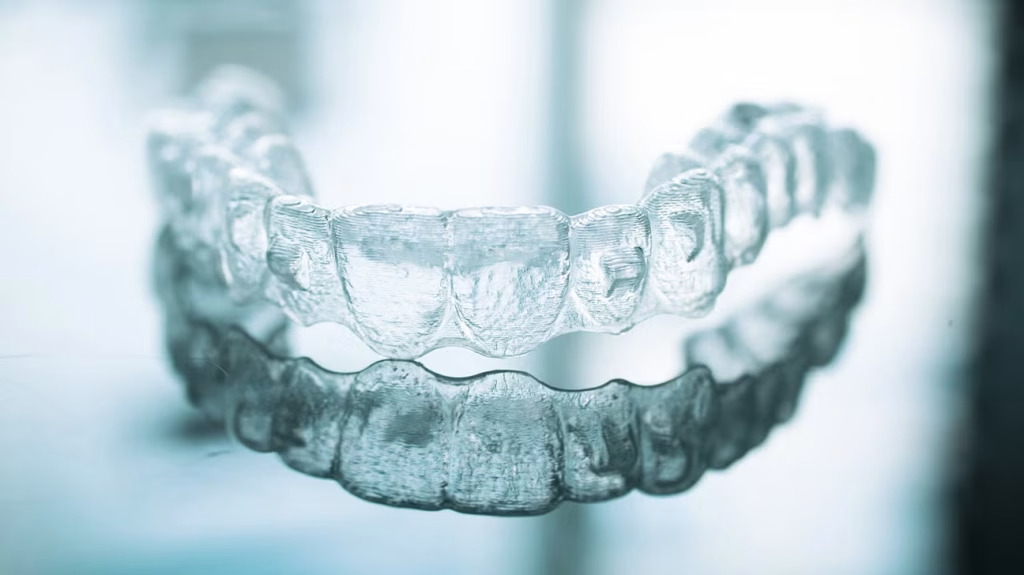
Clear removable aligners fit easily into busy lifestyles and can be removed for meals, social events, or professional settings. Patients who wear aligners consistently often complete treatment on time and achieve reliable, long-term results.
Is Invisalign Worth the Time Commitment?
Invisalign Teen includes features designed for growing smiles, while adult Invisalign treatment focuses on efficiency and comfort. Clear removable aligners work well for patients with active schedules, public-facing jobs, or frequent social interactions.
Many patients appreciate the flexibility of removing aligner trays for meals, events, or presentations while still achieving reliable orthodontic treatment results.
Retainers and Long-Term Results After Invisalign
After completing treatment, patients transition to a retainer. Retainers prevent teeth from shifting and protect the results achieved.
Many patients choose a Vivera retainer because of its durability and comfort. Wearing retainers as instructed helps maintain alignment for years to come.
Final Thoughts on How Long Invisalign Takes
So, how long does treatment take? Most patients complete treatment in six to eighteen months, with visible changes appearing much earlier. Timeline depends on individual needs, wear habits, and treatment goals.
When an experienced orthodontist plans and monitors treatment, patients can expect efficient progress, healthy movement, and confident results. Scheduling an initial consultation is the best way to receive a personalized timeline, treatment plan, and Invisalign cost estimate tailored to your smile.