If you are considering orthodontic treatment, you may be wondering, Braces vs. Invisalign: Which is better for you? Both treatments can straighten teeth and improve your bite, but they work differently and may fit different lifestyles.
The right choice depends on your orthodontic needs, appearance preferences, daily routine, and ability to follow your treatment plan. Understanding the main differences can help you have a more informed conversation with your orthodontist.
What’s the Difference Between Invisalign and Braces?
How Braces and Invisalign Work
Braces and clear aligners use the same basic approach. Both apply controlled pressure to gradually move your teeth into better positions.
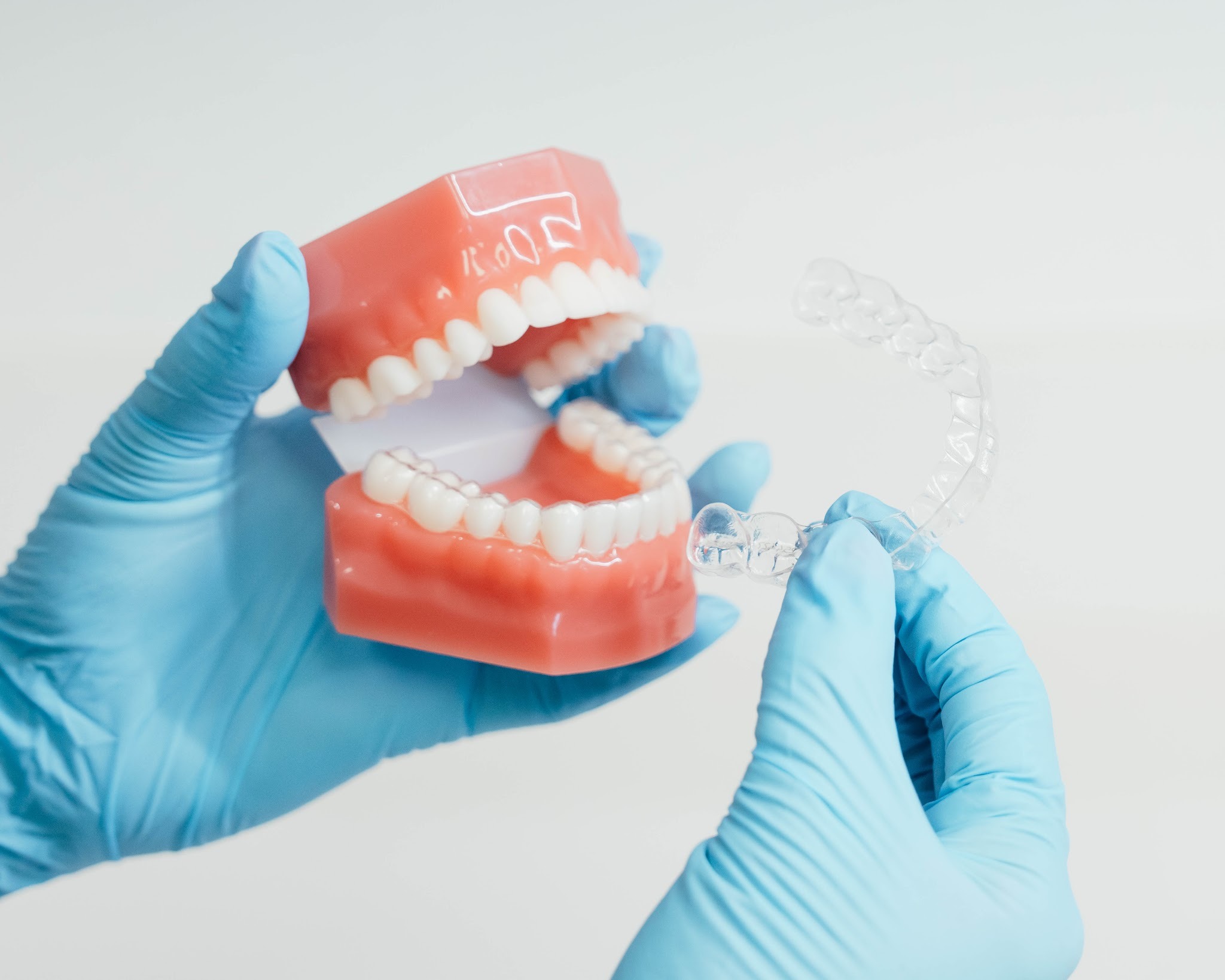
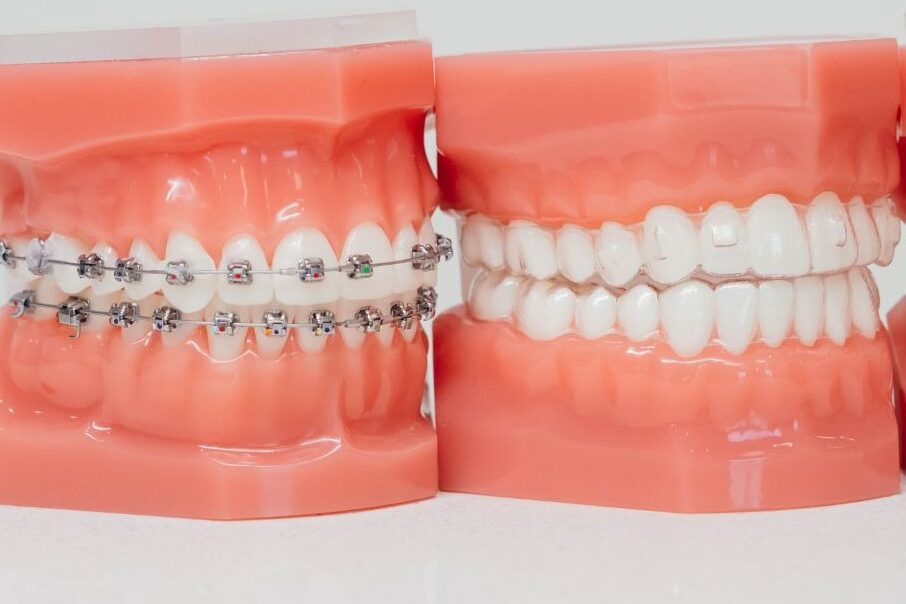
Invisalign uses a series of clear, removable aligners that fit over your teeth. Each set applies pressure to specific teeth, and you typically move to a new set every one to three weeks based on your orthodontist’s instructions.
Traditional braces use brackets attached to your teeth and wires that guide tooth movement. Your orthodontist adjusts the wires throughout treatment.Braces can provide more control for certain complex cases, including severe crowding and rotated teeth.
Removable vs. Fixed Appliances
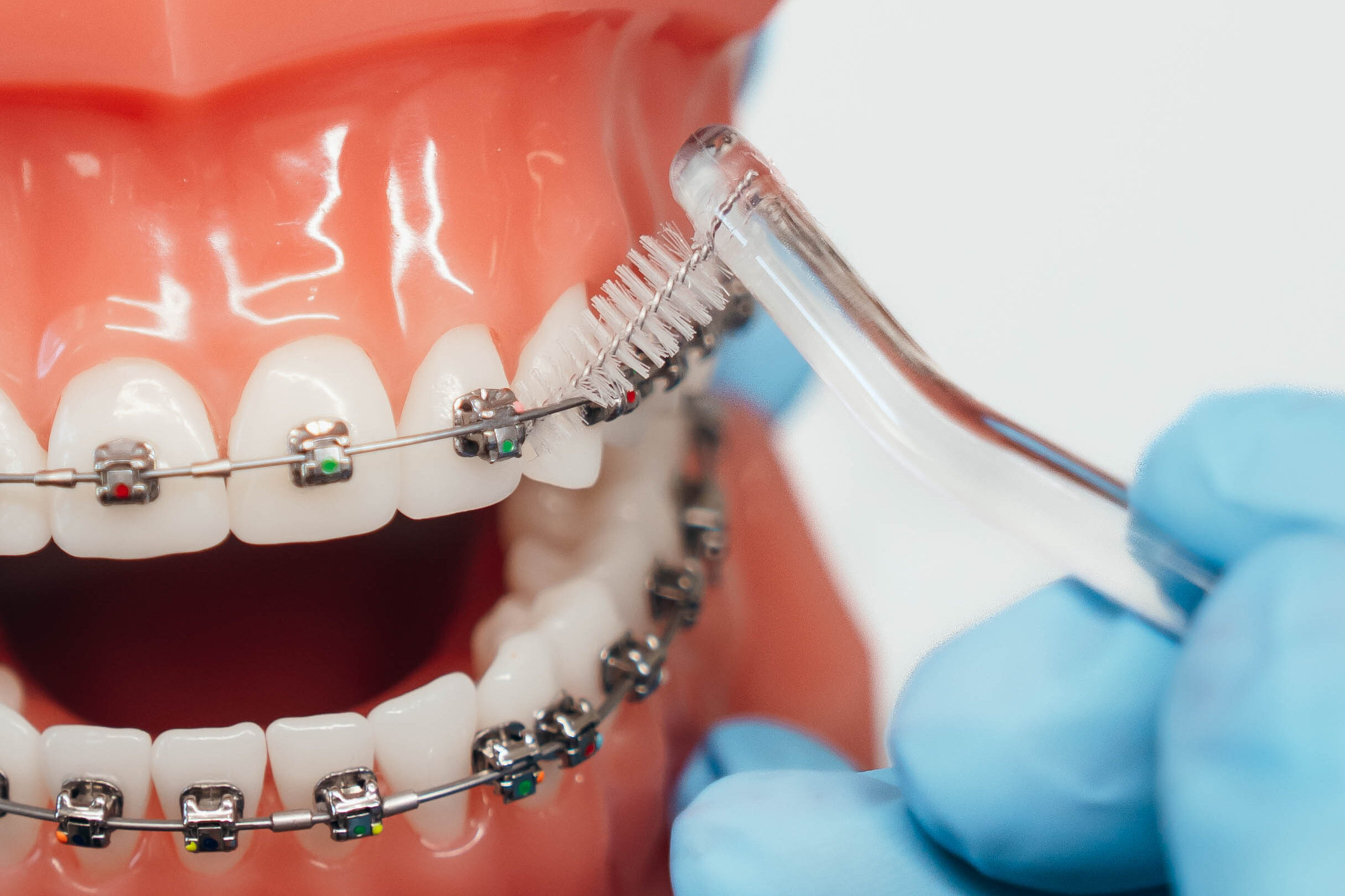
One of the biggest differences between the two treatments is that Invisalign aligners can be removed. You take them out when eating, drinking, brushing, and flossing. This makes it easier to maintain your normal oral hygiene routine and means you can continue eating foods that may be restricted with braces. However, aligners generally need to be worn for 20 to 22 hours per day as directed. Braces remain attached to your teeth throughout treatment. You may need to avoid hard or sticky foods that could damage the brackets or wires. Cleaning your teeth also requires extra care.
Appearance
Invisalign aligners are clear and much less noticeable than traditional braces. This can make them appealing to teens and adults who want a more discreet treatment option. Traditional braces are more visible because of their brackets and wires. Ceramic or tooth-colored braces can make them less noticeable, while lingual braces are placed behind the teeth.
Invisalign: Pros and Cons
Benefits of Invisalign
Less noticeable: Clear aligners can be difficult to see when you smile or talk, which may help patients feel more comfortable during treatment.
Removable: You can take the aligners out when eating and drinking. You do not have to make the same dietary changes that may be necessary with braces.
Easier oral hygiene: Since the aligners are removable, you can brush and floss without working around brackets and wires.
Fewer appointments may be needed: Invisalign treatment is planned using digital scans and a series of customized aligners. You still need regular appointments to monitor your progress, but some patients may need fewer visits than patients with braces.
Downsides of Invisalign
You need to stay consistent: Because you can remove Invisalign, you are responsible for putting the aligners back in. Not wearing them for the recommended amount of time can affect your treatment progress.
Taking aligners in and out can be inconvenient: You need to remove them before eating and drinking anything other than water. You also need to keep them clean and avoid losing them.
Not ideal for every case: Invisalign can treat many orthodontic concerns, but some complex cases may require the additional control provided by braces.
Cost can vary: Invisalign may have a similar cost to braces depending on your treatment needs. More complicated cases may require a different treatment approach.
Braces: Pros and Cons
Benefits of Braces
Can treat complex cases: Braces can address a wide range of orthodontic problems, including severe crowding, difficult tooth positions, and complex bite issues.
Precise tooth movement: Brackets and wires allow your orthodontist to make adjustments throughout treatment and control how your teeth move.
No need to remember to wear them: Because braces remain attached to your teeth, treatment does not depend on remembering to put them back in after eating or brushing.
Different options are available: Traditional metal braces are not the only choice. Ceramic braces offer a less noticeable appearance, while lingual braces are placed behind the teeth.
Downsides of Braces
More noticeable: Traditional braces are visible when you smile or speak.
Cleaning takes more effort: Food and plaque can collect around brackets and wires, so brushing and flossing require additional care.
Certain foods should be avoided: Hard and sticky foods can damage brackets or wires. Repairs may require an additional appointment and can interfere with your treatment schedule.
Regular appointments: Braces typically require regular visits so your orthodontist can monitor your progress and make adjustments.
Invisalign vs. Braces: Which Works Better?
So, are braces better than Invisalign? Or is Invisalign the better choice? There is no single answer for everyone. The right treatment depends on your teeth, bite, treatment goals, and lifestyle.
When Invisalign May Be a Good Choice
Invisalign may be a good option if you want a discreet way to straighten your teeth and have mild to moderate orthodontic concerns.
It can treat several common problems, including:
- Mild to moderate crowding
- Minor gaps
- Certain overbites
- Certain underbites
- Some crossbites
- Minor tooth rotations
Invisalign may also be a good fit if you are comfortable wearing your aligners for the recommended amount of time and changing them according to your treatment plan.
When Braces May Be a Better Choice
Braces may be recommended when you have more complex orthodontic concerns, severe crowding, or bite problems that require greater control over tooth movement.
They can treat a wide range of issues, including:
- Severe crowding
- Larger gaps
- Complex bite problems
- Deep overbites
- Difficult tooth positions
- Certain jaw and alignment concerns
Because braces stay attached to your teeth, they do not depend on patient compliance in the same way removable aligners do.
Invisalign vs. Braces: Which Is Faster?
If you are asking, “Which is faster, braces or Invisalign?”, there is no universal answer. Treatment time depends on the type of orthodontic correction you need. Some cases may be completed faster with braces, while Invisalign may be appropriate for other cases. Your orthodontist can evaluate your teeth and give you a more realistic estimate of how long each treatment option would take.
How Much Do Braces and Invisalign Cost?
Cost varies based on your treatment needs, treatment length, appliance type, and whether additional treatment is required.
The source information for this article lists the following general ranges:
- Invisalign: $3,000 to $7,000
- Metal braces: $3,000 to $7,000
- Ceramic braces: $4,000 to $8,000
- Lingual braces: $8,000 to $10,000 or more
These are general figures and may not reflect the actual cost at every orthodontic practice. Retainers and other additional services may also affect the total cost. New patients at Prince Orthodontics can receive a free consultation to see what option is best for you.
Dental insurance may cover part of orthodontic treatment, depending on your plan. Many orthodontic offices also offer payment plans or financing options. Ask your orthodontist and insurance provider about your specific costs and coverage before beginning treatment.
How Do You Choose Between Invisalign and Braces?
When deciding between braces or Invisalign, start with your orthodontic needs. Your orthodontist can examine your teeth and bite and explain which treatments can achieve the results you need. If you’re exploring your options, our guide to alternatives to braces can help you understand the different teeth-straightening treatments available.
Then consider your personal priorities:
- Appearance: Do you want a discreet treatment?
- Comfort: Which option fits your preferences?
- Oral hygiene: Do you want to brush and floss without brackets and wires?
- Diet: Do you want to avoid restrictions on certain foods?
- Convenience: Are you comfortable removing and replacing aligners?
- Treatment time: How long is each option expected to take?
- Appointments: How often will you need to visit the orthodontist?
- Compliance: Can you consistently wear removable aligners as directed?
If appearance and flexibility are your main priorities, Invisalign may be appealing. If you need more precise control for a complex orthodontic problem, braces may be a better fit.
Talk With Your Orthodontist

If you are still asking, “Is Invisalign better than braces?”, the best answer comes from an orthodontic evaluation.Both braces and Invisalign can be effective orthodontic treatments. The goal is to choose the option that meets your specific needs and fits your daily life. Schedule a consultation with Prince Orthodontics in American Fork, UT and Dr. Prince can help you determine whether braces or Invisalign is the right fit for your smile.