Many adults reach a point where they seriously consider orthodontic treatment after years of putting it off. Sometimes it starts with noticing teeth shifting over time. Sometimes it is difficulty cleaning crowded teeth, discomfort when biting, or simply wanting to feel more confident in photos, meetings, or everyday conversation. The good news is that many adult braces options today are far more flexible and comfortable than many people expect.
For adults in Utah, orthodontic treatment no longer means choosing one standard solution that looks the same for everyone. Modern treatment offers multiple paths depending on how visible you want braces to be, how complex your case is, and how efficiently you want treatment to move. For many adults, the decision is less about whether braces are possible and more about which treatment options fit best into real life.
At Prince Orthodontics, many adult patients are surprised to learn that one of the most effective treatment choices is also one of the most modern. Damon braces offer a more advanced approach than many people associate with traditional braces, often giving adults a cleaner look and a smoother treatment experience than many older forms of dental braces.
Why More Adults in Utah Are Choosing Braces
Orthodontic treatment has become increasingly common for adults because the benefits extend far beyond appearance. Straight teeth are easier to clean, which can support long-term oral health and reduce the risk of plaque buildup, gum irritation, and even future tooth decay in hard-to-reach areas. A properly aligned bite can also reduce uneven wear on teeth and lower strain on the jaw.
For many adults, treatment becomes a priority after life settles into a more stable routine. Career growth, family planning, and financial readiness often create the right timing for something that may have been postponed for years.
Adults also often discover that teeth continue shifting with age, even if they once had braces as teenagers. Small changes can become more noticeable over time, especially in the lower front teeth where crowding commonly develops. Crooked teeth that once seemed minor can gradually become harder to ignore.
The important thing to know is that orthodontic treatment works successfully for adults at many ages. Teeth can still move predictably when treatment is planned correctly, which is why adult orthodontics has become such a common part of modern orthodontic care.
Understanding the Main Adult Braces Options
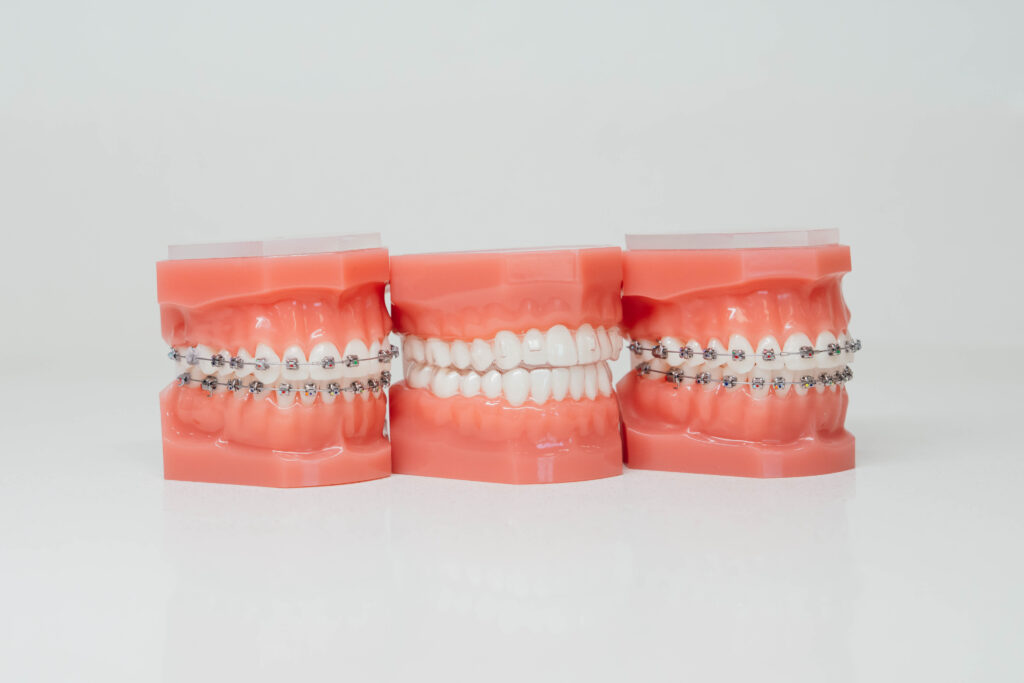
Adults considering braces usually have more than one treatment path available. The right choice depends on how much movement is needed, whether bite correction is involved, and how important appearance is during treatment.
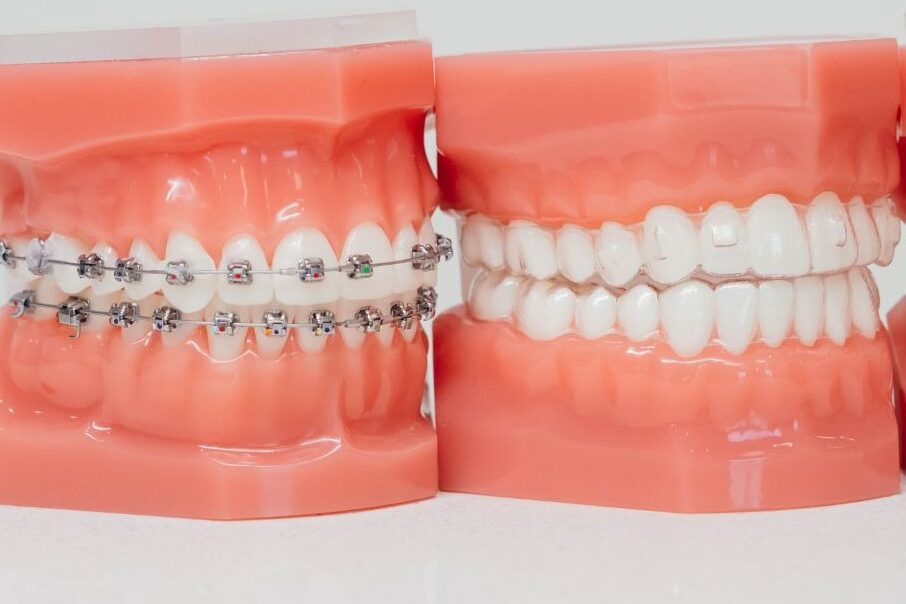
| Treatment Type | Best For | Appearance | Maintenance |
| Metal braces | Moderate to complex corrections | Most visible | Standard cleaning and adjustments |
| Damon braces | Efficient movement with fewer visits | Smaller, sleeker brackets | Easier cleaning with self-ligating design |
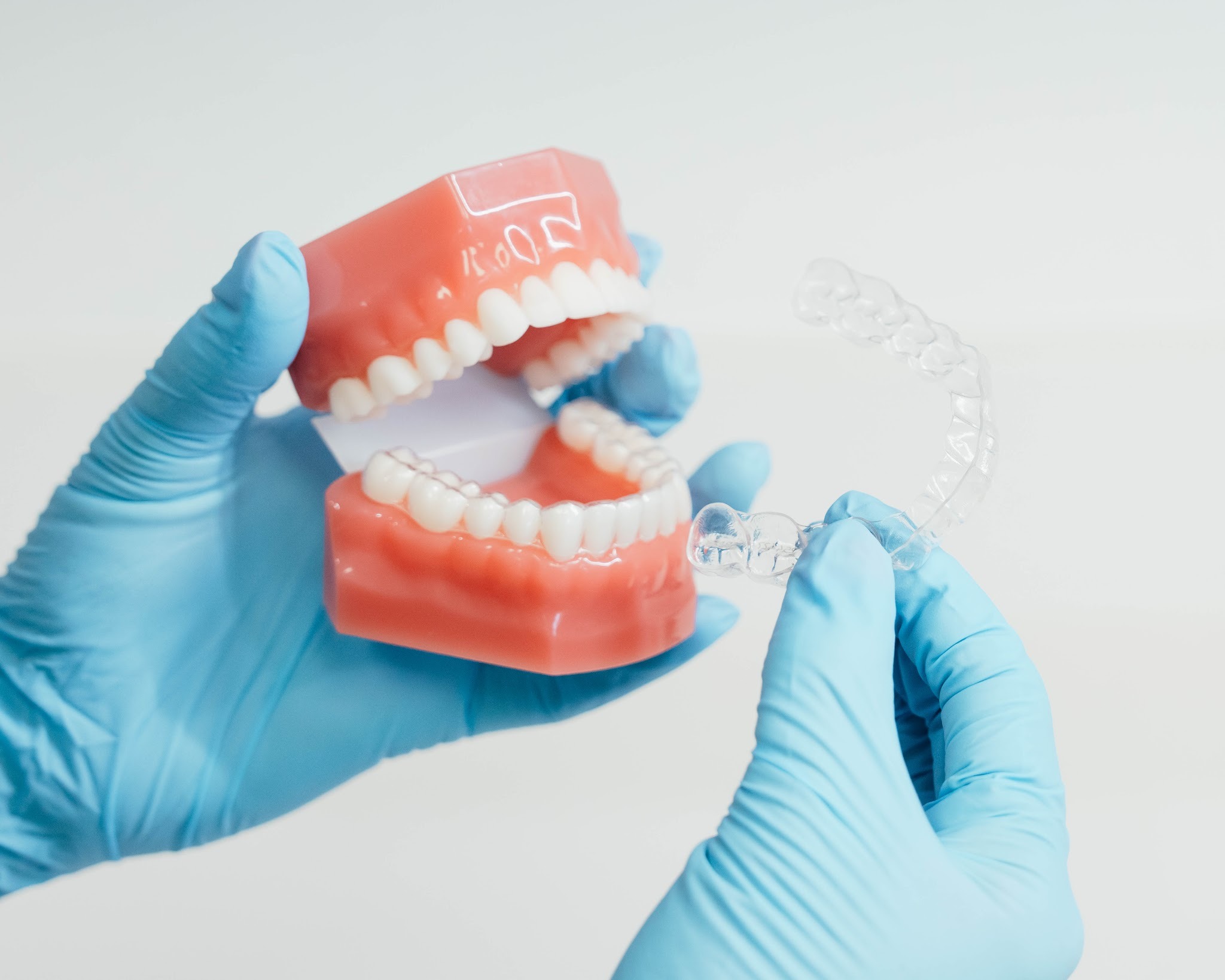
| Clear aligners | Mild to moderate correction | Nearly invisible | Requires disciplined wear |
While clear aligners are often discussed first, braces remain one of the most reliable solutions for moderate and more involved cases because they allow continuous control over tooth movement.
Are Metal Braces Still a Good Choice for Adults?
Yes, and many adults still choose them.
Modern metal braces are smaller, more refined, and more comfortable than older versions many people remember. The brackets used today are less bulky, which helps reduce irritation and makes them less noticeable than expected.
They remain highly effective for correcting crowding, bite problems, rotations, and spacing issues that require detailed movement over time. For adults with more complex orthodontic goals, traditional metal braces continue to provide excellent control.
Modern metal brackets are also designed to work more efficiently than older systems, which helps improve comfort during adjustments.
What surprises many adults is how quickly they adjust. What initially feels unfamiliar usually becomes routine within the first couple of weeks.
How Damon Braces Differ from Traditional Braces
One of the biggest differences between Damon braces and traditional braces is how the wire is secured.
Traditional braces use small elastic bands to hold the wire in place. Damon braces use a built-in sliding mechanism that holds the wire without rubber bands. This changes how pressure is distributed during treatment.
Because there is less friction around the wire, teeth can often move more efficiently and with less resistance. Many adults describe this as feeling smoother during adjustments compared to older orthodontic systems.
Damon braces are considered self ligating braces, which means the wire is guided by the bracket itself instead of elastic ties. This often creates a cleaner design and easier maintenance.
At Prince Orthodontics, Damon braces are a major focus because they support efficient treatment while maintaining the kind of personalized planning patients expect from a private practice.
What About Ceramic Braces and Other Less Visible Options?
Some adults ask about ceramic braces because they want something less noticeable than metal. Ceramic systems use tooth-colored brackets that blend more naturally with the smile, making them appealing in professional settings. These are often referred to as clear braces because they visually soften the appearance of treatment.
They can be an effective treatment option, though they may require slightly more attention to maintenance because ceramic material can stain more easily if not cared for well.
Other less common options include lingual braces, which sit behind the teeth, though these are typically more specialized and not the best fit for every case.
Adults often compare these options with clear aligners before deciding what feels most realistic for daily life.
Why Adults Often Prefer Damon Braces
Adults often look for treatment that fits around work schedules, family responsibilities, and daily routines. Damon braces appeal to many patients because they can reduce some of the inconveniences associated with older systems.
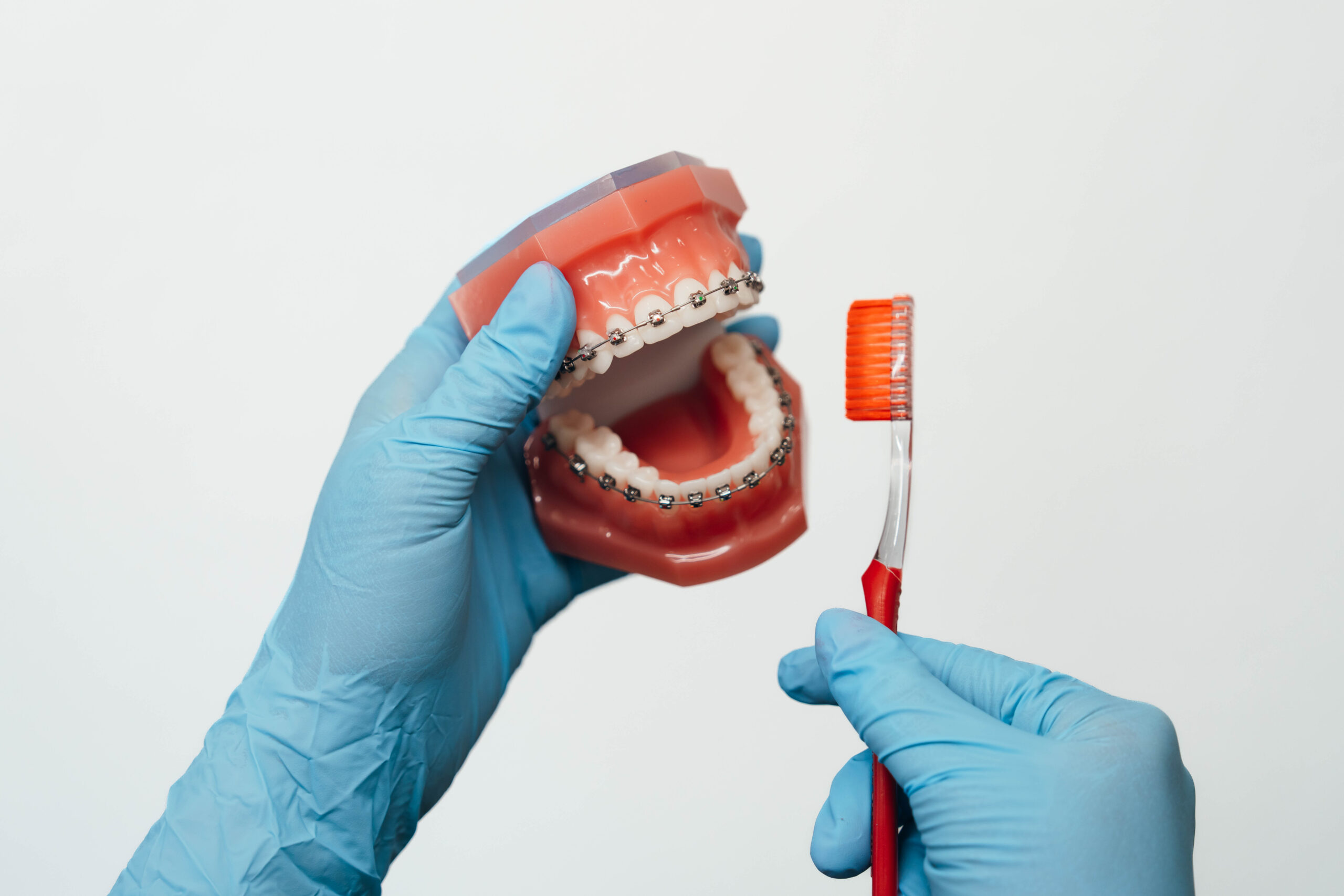
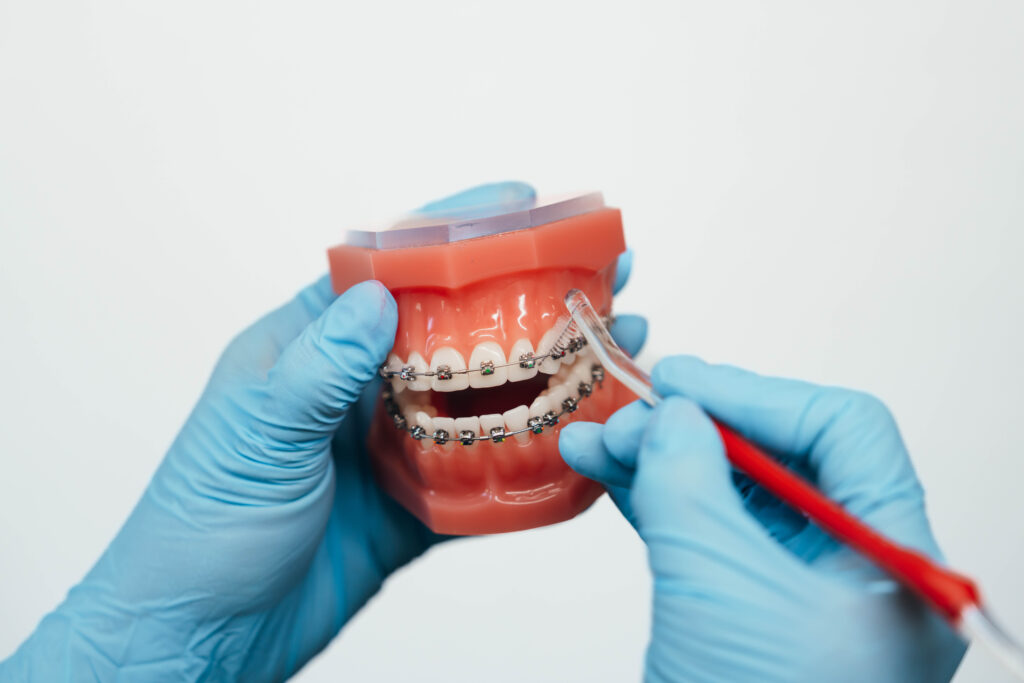
Since there are no elastic ties that need regular replacement, appointments are often more straightforward. Many patients also appreciate that cleaning around the brackets can feel simpler, which supports strong oral hygiene during treatment.
Another advantage is how the system approaches smile development. In many cases, Damon braces help create broader smile arches, which can improve smile fullness while maintaining natural facial balance.
Adults who want modern braces that feel efficient without sacrificing effectiveness often find this option especially appealing.
Is Treatment Slower for Adults?
This is one of the most common questions adults ask.
Treatment can sometimes take slightly longer than it does for younger patients because adult bone structure is denser, but age alone is rarely the deciding factor. The complexity of movement matters much more.
A mild spacing case may move relatively quickly, while crowding, bite correction, or previous relapse from past orthodontic treatment may require more time. In some complex cases, treatment planning becomes especially important.
Most adults are encouraged by how manageable treatment feels once they understand the full timeline.
Consistency matters. Attending appointments, following care instructions, and maintaining strong oral hygiene all directly support efficient progress.
Will Braces Affect Work or Social Life?
This concern is very common, especially for adults in professional environments.
Most patients notice the adjustment period most during the first several days. Speech may feel slightly different at first, and there is often mild soreness as teeth begin responding to pressure. That usually fades quickly.
After that, daily life typically returns to normal faster than expected. Adults continue attending meetings, giving presentations, socializing, exercising, and managing normal routines without major interruption. In fact, many patients say they became far less aware of their braces after the first few weeks than they expected.
What often changes most is confidence. Once treatment begins, many adults feel relieved that they finally took action rather than continuing to delay something they had thought about for years.
Choosing Between Traditional Braces and Damon Braces
If both options are clinically appropriate, the decision often comes down to treatment preferences.
| Feature | Traditional Braces | Damon Braces |
| Wire held by | Elastic ties | Self-ligating slide |
| Friction level | Higher | Lower |
| Appointment frequency | Often more frequent | Often fewer visits |
| Cleaning difficulty | Slightly more involved | Easier access |
For adults who want a more modern braces experience, Damon braces often stand out because they combine strong corrective ability with design improvements that many patients appreciate in everyday life.
That said, both systems can deliver excellent outcomes when treatment is carefully planned.
Ready to Explore Adult Braces Options?
The best orthodontic treatment is the one that fits your bite, your goals, and your lifestyle.
Whether you are considering adult braces, comparing metal braces, learning about ceramic braces, or deciding between traditional braces and Damon braces, the first step is understanding which option is right for your specific case.
Prince Orthodontics offers personalized consultations designed to help adults make confident treatment decisions with clear expectations from the beginning.
FAQs About Adult Braces Options
Are adult braces more painful than braces for teenagers?
Not usually. Adults often experience the same short periods of soreness after adjustments, especially early in treatment, but discomfort is temporary and manageable.
Can I get braces if I had braces years ago?
Yes. Many adults return for treatment because teeth shifted after retainer use became inconsistent.
Are Damon braces worth considering over standard metal braces?
For many adults, yes. Damon braces often improve comfort, simplify maintenance, and reduce some appointment complexity while still providing strong correction.