
A straighter smile is often what brings people to an orthodontist, but the real value of modern orthodontic services goes much deeper. For anyone asking what are orthodontic services, the answer includes everything from correcting crowded teeth and bite problems to improving long-term comfort, jaw alignment, and confidence through personalized orthodontic treatment.
In Utah, many families begin exploring treatment when they notice crooked teeth, spacing concerns, or bite changes in a growing child. Adults often ask similar questions later, especially when teeth shift over time or daily discomfort becomes harder to ignore. Modern orthodontics now offers more options than many people expect, with treatment plans designed around both appearance and long-term oral health.
A common misconception is that orthodontic care is mostly cosmetic. In reality, when teeth do not fit together correctly, chewing pressure becomes uneven, brushing becomes more difficult, and certain areas become harder to clean consistently. Over time, that can contribute to unnecessary wear, tooth decay, or gum disease.
What Orthodontic Services Actually Include
An orthodontist evaluates far more than whether teeth look straight. During a consultation, they examine how the upper jaw and lower jaw fit together, whether the bite is balanced, how adult teeth are erupting, and whether the arches of the mouth are developing properly. These details help determine whether a patient needs immediate treatment, monitoring, or a phased approach.
A modern consultation often focuses on several important areas early because they influence long-term results:
- Spacing between teeth
- Bite relationship between upper and lower teeth
- Jaw growth patterns
- Crowding or eruption concerns
- Long-term smile stability
Because every smile develops differently, one person may need a simple adjustment while another may require broader orthodontic treatments involving bite correction and jaw guidance. A personalized treatment plan helps ensure the treatment fits how the patient’s teeth and jaws function together over time.
Why Orthodontic Treatment Matters for Long-Term Oral Health
One of the most important orthodontic benefits is that treatment improves more than appearance. Misaligned teeth often create tight spaces where plaque builds up more easily, especially when crowded teeth overlap in ways that make brushing difficult.
When teeth meet correctly, chewing forces are distributed more evenly, helping protect enamel and gum tissue. Proper bite relationships also reduce unnecessary stress on certain teeth. For many patients, the goal of orthodontic treatment is not simply straighter teeth, but creating proper alignment that supports lifelong function.
This is where orthodontic services differ from general dental care. A dentist focuses on maintaining teeth and gums, while an orthodontist focuses on tooth movement, bite development, and jaw relationships.
Common Orthodontic Treatment Options Available Today
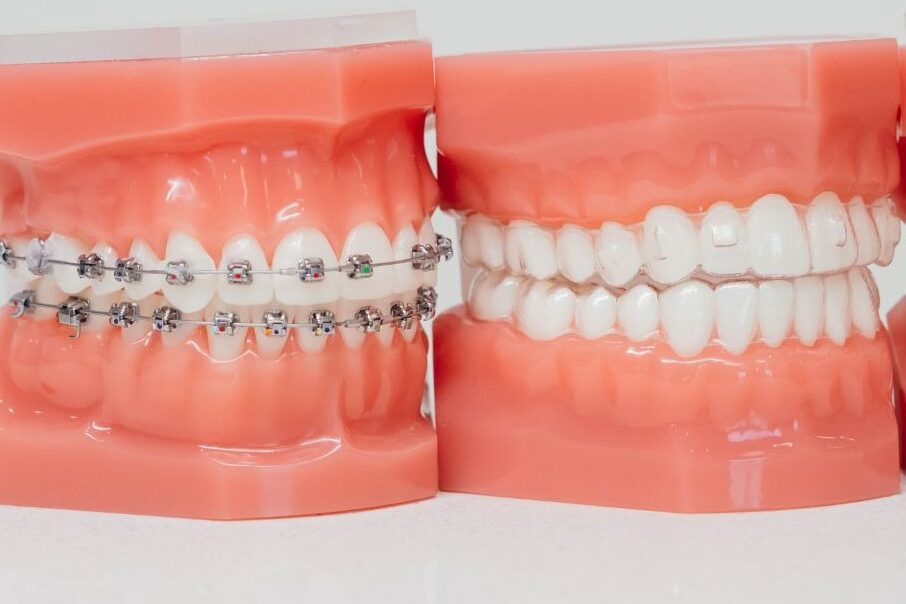
Patients now have more choices than ever before when beginning orthodontic services. Braces remain one of the most reliable tools for correcting moderate to complex movement, but modern systems are smaller and more comfortable than older designs.
Metal braces remain highly effective because they allow detailed control throughout treatment. Ceramic braces provide similar function with a less noticeable appearance. In more complex cases, traditional metal braces often provide the best control across both upper teeth and lower teeth.
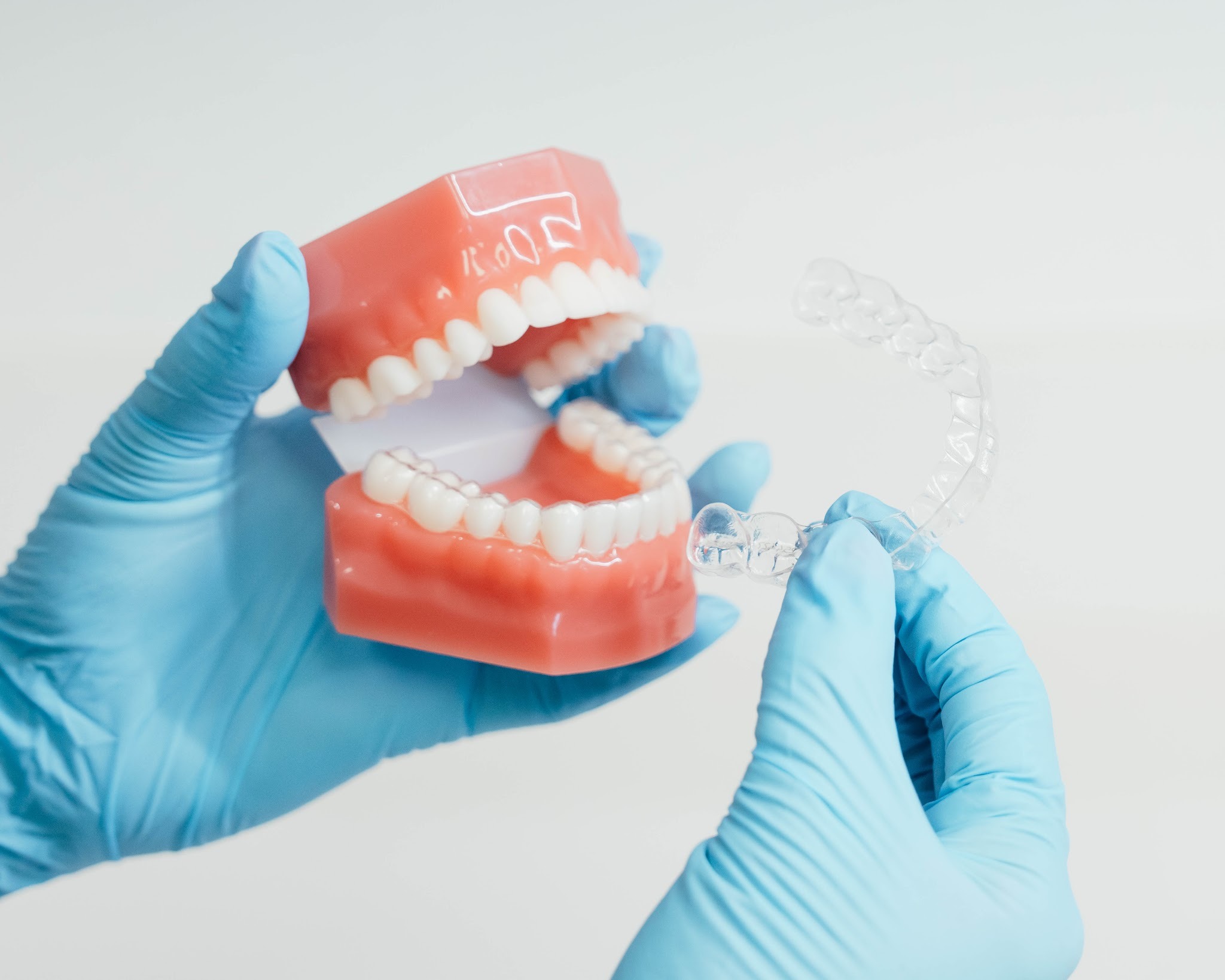
At the same time, clear aligners have become one of the fastest-growing treatment choices in modern orthodontics. Instead of brackets and wires, patients wear a series of customized trays that gradually move teeth into new positions. Each aligner is changed on schedule so movement happens gradually and predictably.
Comparing Braces and Clear Aligners
| Treatment Type | Best For | Visibility | Removable |
| Metal braces | Complex movement | Visible | No |
| Ceramic braces | Moderate movement | Less visible | No |
| Clear aligners | Mild to moderate movement | Nearly invisible | Yes |
This comparison helps explain why orthodontic treatment recommendations vary. Some spacing concerns respond well to aligners, while bite correction involving both jaws often responds better to braces.
Early Orthodontic Treatment and Growth Monitoring
Many parents hear about early orthodontic treatment and assume it means braces immediately. In most cases, early visits focus on growth evaluation. Around age seven, an orthodontist can identify whether the jaw arches are developing normally and whether future crowding may become more severe.
Sometimes observation is enough. In other situations, a palatal expander may be recommended if the upper jaw is developing too narrowly. This type of orthodontic appliance helps create room for permanent teeth before crowding becomes more severe.
How Orthodontics Helps Jaw Alignment
A bite depends on how the upper jaw and lower jaw work together over time. If the bite is uneven, pressure may build in certain areas and gradually affect comfort.
For some patients, poor jaw alignment contributes to tension or fatigue during chewing. This is one reason some patients ask whether orthodontic care can support TMJ treatment concerns. While not every jaw issue begins with bite problems, correcting alignment often reduces stress that contributes to discomfort.

What a Modern Consultation Looks Like
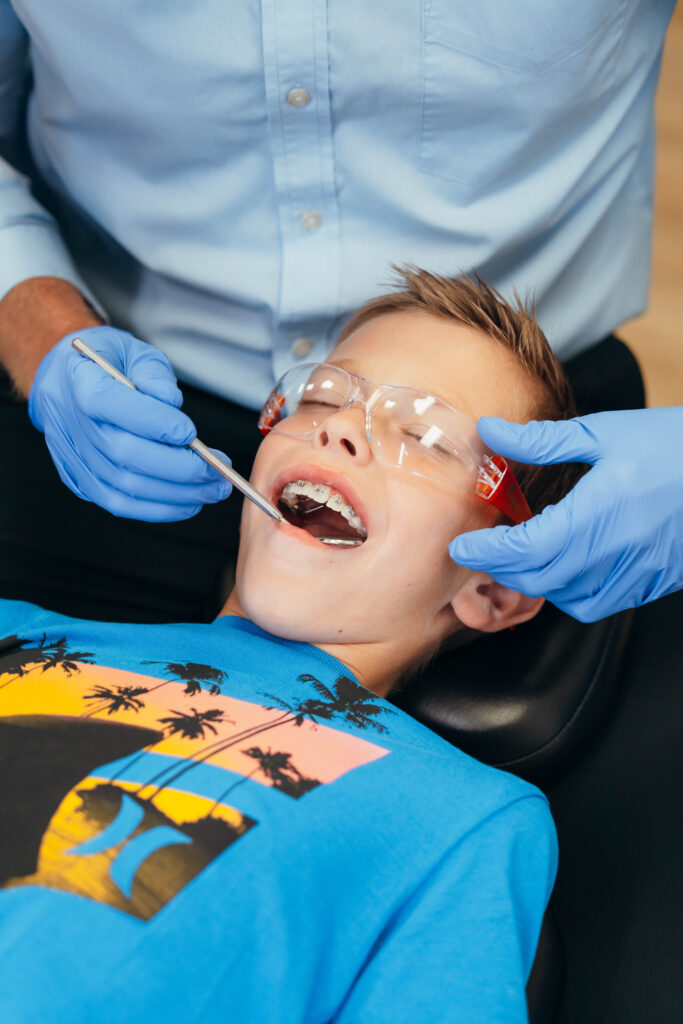
The first appointment usually begins with digital scanning rather than traditional impressions. This allows the orthodontist to see spacing, bite relationships, and tooth position in detail while making the visit more comfortable for the patient.
A consultation also includes detailed patient information, because treatment decisions depend on growth stage, dental history, and long-term goals. One advantage of private practice is continuity, since families often appreciate seeing the same orthodontist throughout treatment.
Daily Improvements Patients Often Notice During Treatment
Many people begin orthodontic treatment expecting cosmetic changes first, but daily improvements often become just as meaningful. Brushing usually becomes easier once crowded areas begin opening, chewing often feels more balanced, and daily comfort improves as teeth settle into healthier positions.
For adults especially, straightening teeth often improves both confidence and routine oral care.
Insurance and Treatment Planning in Utah
Many families ask whether a dental insurance plan helps with braces or aligners. Coverage depends on whether dental insurance includes orthodontic benefits, the patient’s age, and which treatment is recommended.
A consultation usually helps clarify expected costs early so families can compare options carefully. Call us today to see what works best for you.
FAQ
What are orthodontic services used for?
Orthodontic services help correct bite issues, spacing concerns, crooked teeth, and jaw relationships so teeth function properly and remain healthier long term.
Are braces still one of the most effective treatment options?
Yes. Braces remain one of the most effective tools for moderate and complex movement because they allow detailed control across multiple teeth at once.
Can adults still benefit from orthodontic treatment?
Absolutely. Many adults begin treatment later in life using braces or clear aligners to improve comfort, confidence, and long-term oral health.