Crowded teeth are one of the most common reasons people visit an orthodontist. Also called dental crowding or teeth crowding, this condition happens when there isn’t enough space in the jaw for teeth to sit properly. Left untreated, it can become more than just a cosmetic dental issue. It affects your oral health, your bite, and your confidence. In this guide, we’ll cover what causes crowded teeth, how they affect your health, and what treatment options are available.
What are crowded or overcrowded teeth?
Crowded teeth happen when teeth don’t have enough room to grow in straight. The result is overlapping teeth, crooked teeth, or teeth that twist and shift out of position. This tooth crowding can affect your top teeth, bottom teeth, or both, and it’s more common than most people realize.
Some common reasons there isn’t enough space include:
- A jaw that’s too small for the teeth
- Teeth that are larger than average
- A combination of large teeth and a small jaw
- A narrow or high-arched palate
- An extra tooth or multiple extra teeth in the mouth
- A broken or missing tooth that causes surrounding teeth to shift

Types of dental crowding: mild, moderate, and severe
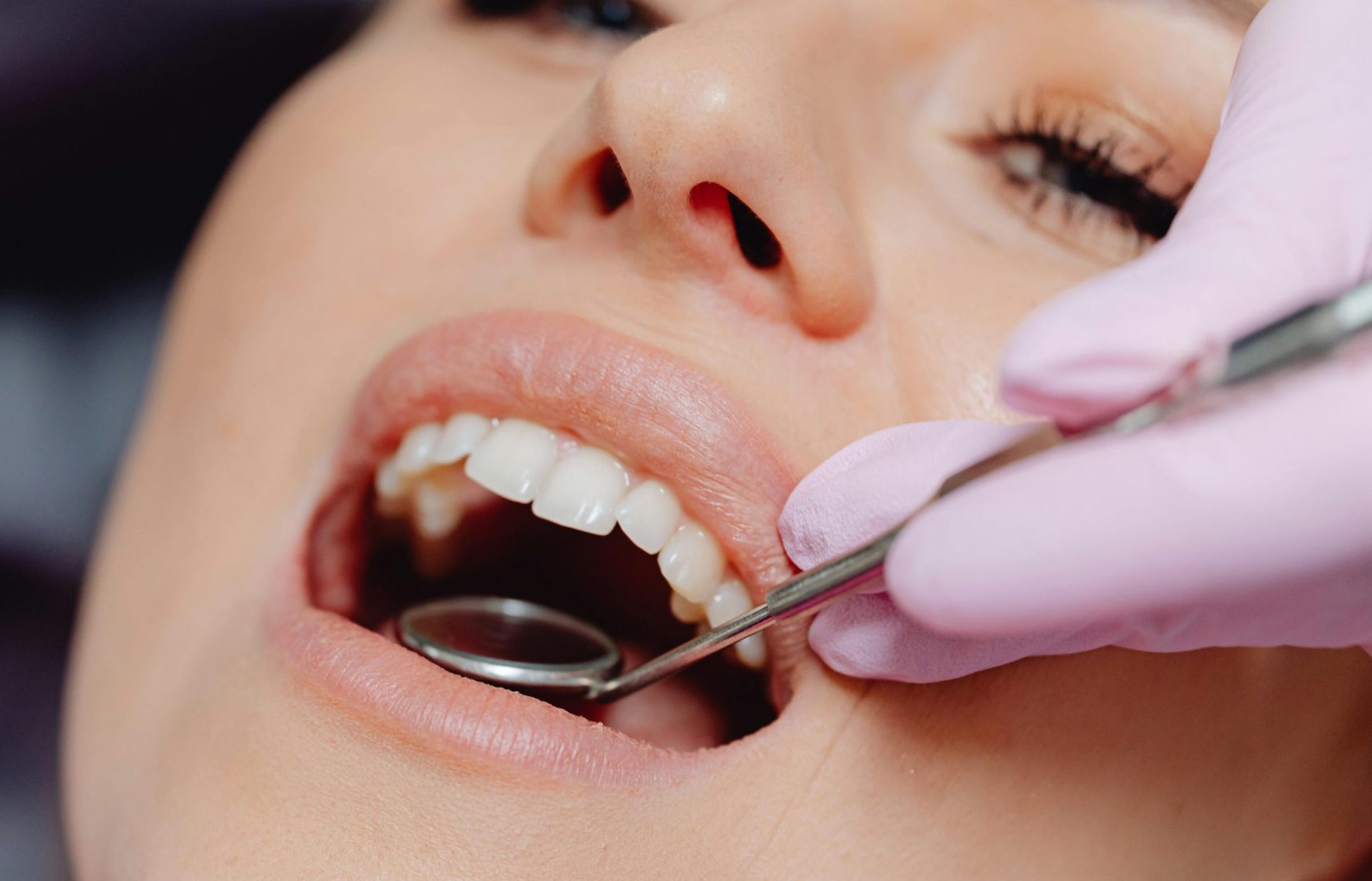
Before treating crowded teeth, an orthodontist will evaluate the severity of the crowding. This usually involves X-rays, a 3D scan, and a full dental exam. Based on that assessment, your case will fall into one of three categories:
Mild crowding: One tooth is out of place with less than 3mm of space missing.
Moderate crowding: Two or three teeth are misaligned with 3 to 5mm of space missing.
Severe crowding: Teeth sit outside the jawline and more than 6mm of space is needed.
What causes crowded teeth?
Dental crowding happens for several reasons, and in many cases it comes down to a mismatch between the size of the jaw and the size of the teeth. A small jaw simply doesn’t have enough room for all the permanent teeth, so they start to overlap, twist, and shift, resulting in misaligned teeth that are harder to clean and maintain. Genetics plays a big role here. If your parents had crowded or crooked teeth, there’s a good chance you inherited a similar jaw size or tooth size that makes crowding more likely.
Beyond jaw size, other common causes include abnormally large teeth that can’t fit comfortably in the arch, an extra tooth or supernumerary teeth that take up space and push surrounding teeth out of alignment, and premature baby tooth loss that allows neighboring teeth to drift before the permanent tooth comes in. Oral habits like thumb-sucking or prolonged pacifier use during early childhood can also put pressure on developing teeth and contribute to crowding over time.
Wisdom teeth are worth mentioning too. They can put pressure on surrounding teeth as they try to come in, particularly when there isn’t enough space at the back of the jaw. Whether they’re directly causing your crowding or making existing crowding worse, your orthodontist can evaluate what’s going on and recommend next steps.
How crowded teeth affect your oral health
Crowded teeth aren’t just a cosmetic concern. They can create real problems that get worse over time if left untreated. When teeth overlap, it’s harder to brush and floss effectively. Plaque builds up in the tight spaces between overlapping teeth, which increases the risk of cavities, tartar buildup, bad breath, and gum disease. In more severe cases, untreated crowding can lead to gum inflammation and other periodontal issues. Maintaining good oral health is simply harder when teeth are crowded, which is why early treatment matters. Explore treatment options with Prince Orthodontics.
Chewing, bite, and jaw problems
Crowded teeth can affect how your upper and lower teeth come together when you bite. Over time, this can cause uneven wear on the enamel and put extra stress on the jaw, sometimes leading to discomfort or more serious bite problems. Healthy teeth depend not just on appearance but on proper function, and crowding can interfere with both. Many people with crooked or overlapping teeth also feel self-conscious about their smile. That’s completely valid, and self esteem is one more reason why treatment is worth considering.
What happens if crowded teeth are left untreated?
The problems that come with crowded teeth tend to get worse with time, not better. Poor hygiene from hard-to-reach areas leads to plaque buildup, cavities, and gum disease. The enamel on crowded teeth wears down faster due to uneven contact. Bite problems can develop or worsen. And the longer crowding goes untreated, the more complex and costly treatment can become. Protecting your oral health means addressing dental issues like crowding before they compound into bigger problems. Addressing it sooner is almost always the better option.
How to fix crowded teeth based on severity
For mild cases where less than 3mm of space is missing, treatment options can vary depending on your goals. In many cases, orthodontic treatment, such as braces or clear aligners, is still the most effective way to properly align the teeth and improve long-term oral health.
In select situations, veneers may be used to improve the appearance of mildly crowded teeth. Ceramic or composite veneers cover the front surface of the teeth and can make them look straighter. However, veneers are a cosmetic solution and do not correct the underlying alignment, so they are typically considered only when orthodontic treatment is not preferred.
Moderate to severe crowding: what are the options? For more significant crowding, orthodontic treatment is typically the most effective solution. Braces or clear aligners gradually move teeth into proper alignment, improving both function and appearance. Depending on the case, your orthodontist may use one or more of the following techniques:
| Interproximal reduction (IPR) | IPR, sometimes called dental stripping, involves filing a small amount of enamel from between the teeth to create space. Each tooth is reduced by roughly 0.2 to 0.5mm. It is a quick and generally well-tolerated procedure that usually does not require anesthesia. IPR is commonly used during orthodontic treatment to help address mild to moderate crowding. |
| Tooth extraction for overcrowding | In more severe cases, one or more teeth may need to be removed to create enough space for proper alignment. While this may sound intimidating, extractions can play an important role in achieving a healthy bite and stable, long-term results. |
| Retainers after crowding treatment | Once orthodontic treatment is complete, wearing a retainer is essential. Teeth naturally tend to shift back toward their original positions over time. A retainer helps keep them in place and protects the results of your treatment. |
Treating overcrowded teeth in children
Orthodontists recommend that children have their first orthodontic evaluation around age 6. At this stage, the jaw is still developing, which makes it easier to guide growth and prevent more serious tooth crowding later. If an issue is caught early, interceptive treatment can be used to address it before all the permanent teeth come in.

Treating overcrowded teeth in adults
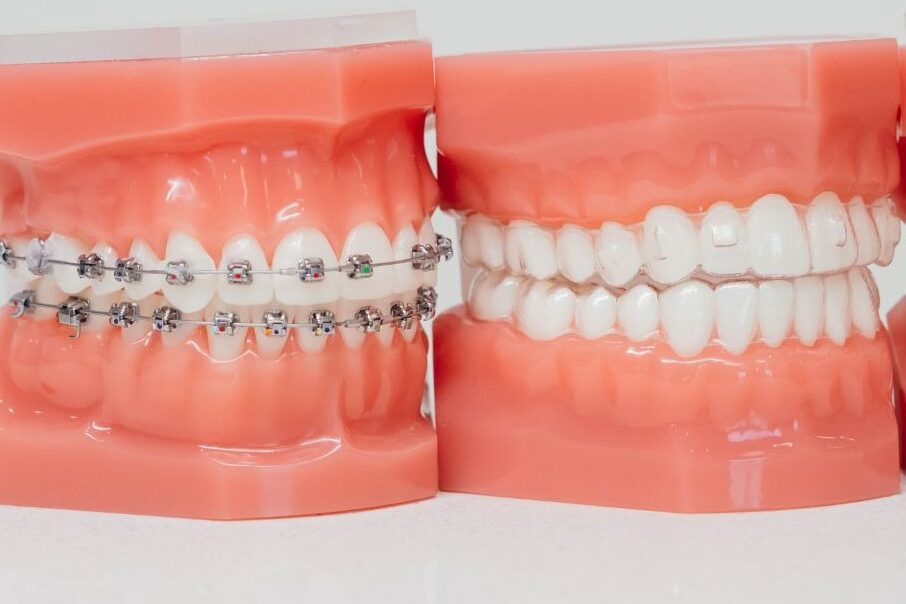
For most people, permanent teeth are fully in by around age 12. From that point on, corrective orthodontics can be used to treat crowded or misaligned teeth. There are several options to choose from: Traditional metal braces use brackets and an archwire to gradually move teeth into alignment. Clear ceramic or sapphire braces work the same way as metal braces but are less noticeable. Self-ligating braces use a bracket design that holds the wire in place without elastics. Lingual braces are placed on the back of the teeth, making them completely hidden from view.
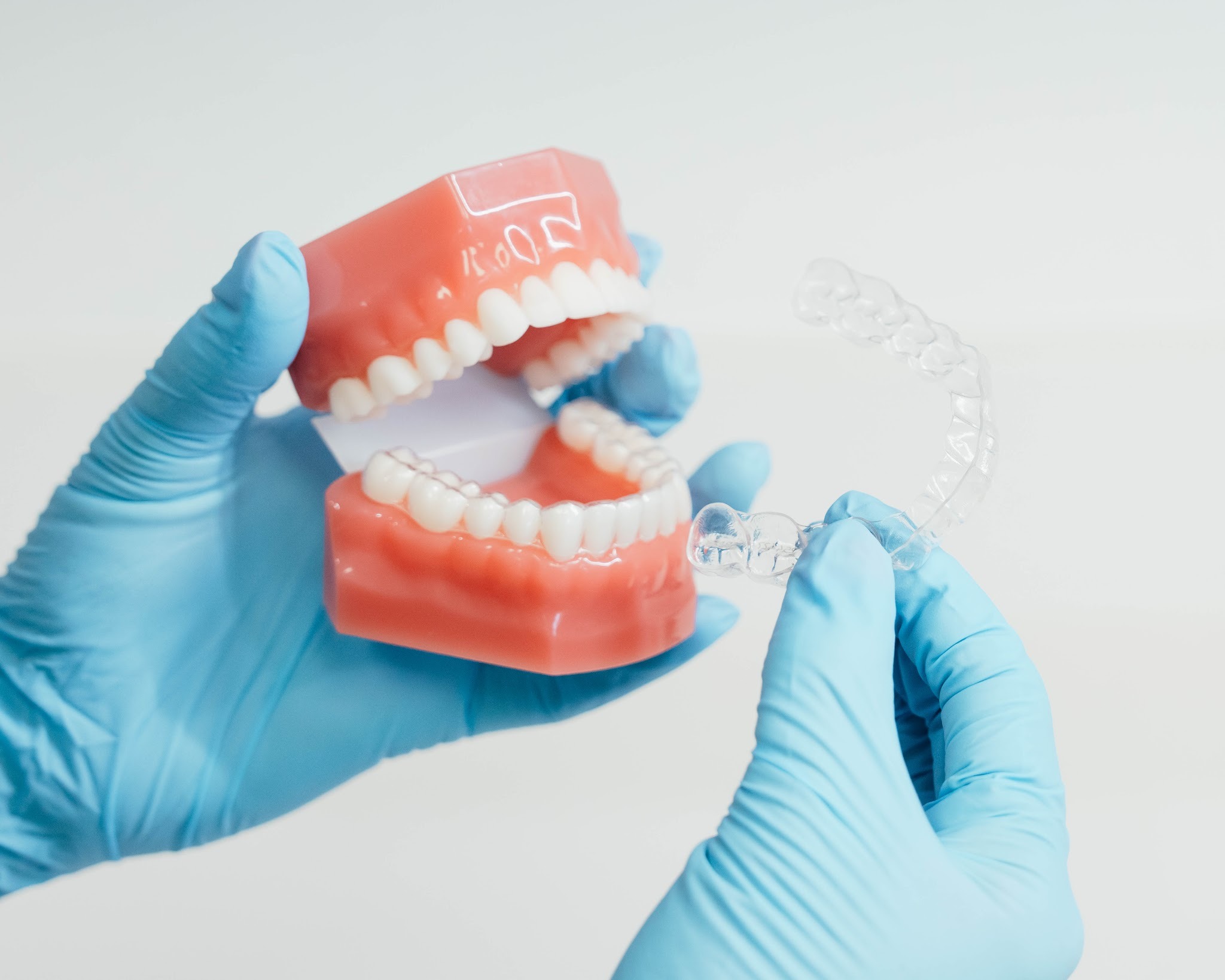
Clear aligners are removable trays that shift teeth gradually. They can be taken out for eating and brushing, which many patients find more comfortable and convenient. Compare orthodontic treatment options here.
Ready to take the next steps?
If you’re dealing with crowded, overlapping, or crooked teeth, the team at Prince Orthodontics in American Fork, Utah can help. Whether you’re looking into braces or clear aligners, we’ll walk you through your options and help you find the right fit for your needs and your schedule.
Frequently asked questions about crowded teeth
Crowded teeth are more than a cosmetic concern. They can make it harder to clean your teeth properly, which increases the risk of cavities, gum disease, and other oral health problems over time. The sooner they’re addressed, the easier they are to treat.
No. Crowded teeth do not straighten on their own. In most cases, tooth crowding gets worse over time as teeth continue to shift. Orthodontic treatment is needed to correct the alignment.
Wisdom teeth can put pressure on surrounding teeth as they come in, which may contribute to crowding or make existing crowding worse. Not everyone is affected the same way, so it’s worth having your orthodontist evaluate whether your wisdom teeth are a factor.
In mild cases, veneers can improve the appearance of overlapping or crooked teeth without orthodontic treatment. For moderate to severe crowding, braces or clear aligners are typically the most effective option for achieving healthy teeth and a properly aligned bite.
Treatment time depends on the severity of the crowding and the method used. Mild cases may take less time, while moderate to severe crowding can take longer to correct. Your orthodontist will give you a more specific timeline after evaluating your case.
Coverage varies depending on your plan. Many dental and orthodontic insurance plans cover a portion of treatment, particularly for children. It’s best to check directly with your provider. Prince Orthodontics can also help you understand your options during your free consultation.