“Do I need braces?” It’s a question we hear from teens, parents, and adults all the time. And it’s a fair one. Knowing how to tell if you need braces early can mean shorter treatment, less discomfort, and better long-term results for your teeth, bite, and jaw health. If you’ve noticed something feels off with your smile or your child’s teeth, this guide covers what to look for, what to expect, and when to call an orthodontist.
Why Knowing Early Matters
Catching alignment issues early gives you more options. Problems that are minor now can become costly and complex later. Crooked teeth and misaligned jaws are harder to clean, which raises the risk of cavities and gum disease. Bite problems can put stress on your jaw joints, leading to pain or TMJ issues. And in younger patients, early orthodontic care can guide jaw growth before habits become harder to correct.
The American Association of Orthodontists recommends an orthodontic evaluation by age 7. Even if braces treatment isn’t needed right away, getting a professional opinion early keeps your options open.
10 Signs You Might Need Braces
1. Crooked or Crowded Teeth
Crooked teeth are one of the most common reasons people look into needing braces. If your teeth overlap, twist, or don’t sit in a straight line, that’s one of the clearest signs. Crowded teeth are harder to brush and floss properly, which increases the risk of decay over time.
2. Overbite or Underbite
An overbite is when your upper front teeth extend too far over your lower teeth. An underbite is the opposite, where your bottom teeth sit in front of your top teeth. Both can affect chewing, speech, and long-term jaw health.
3. Crossbite or Open Bite
A crossbite happens when some upper teeth sit inside the lower teeth when biting down. An open bite is when the front teeth don’t touch at all when your mouth is closed. Both can cause uneven wear on your teeth and put extra strain on your jaw.
4. Gaps Between Teeth
Spaces between teeth can result from missing teeth, habits like thumb sucking, or just the natural size of your teeth and jaw. Braces or aligners can help close those gaps and prevent shifting over time.
5. Jaw Pain, Clicking, or Popping
Waking up with jaw pain, hearing clicking sounds, or feeling stiffness when you chew can all point to a bite that’s out of balance. A misaligned jaw is a common cause of strain on your jaw joint (TMJ). Correcting your bite with braces can reduce that pressure.
6. Difficulty Chewing or Biting
If certain foods are uncomfortable to eat or chewing feels uneven, your teeth may not be meeting correctly. This is more than a minor inconvenience. Over time, an uneven bite can wear down your teeth and affect your digestion.
7. Mouth Breathing or Sleep Issues
Breathing through your mouth regularly isn’t just a habit. It can be tied to how your jaw and teeth developed. In kids especially, mouth breathing can lead to a narrow upper jaw, crowding, an open bite, or a longer face shape. It also dries out the mouth, raising the risk of tooth decay and gum disease. If you notice this in your child, it’s worth mentioning to an orthodontist.
8. Speech Difficulties or a Lisp
If your teeth don’t come together properly, it can affect how you form certain sounds. A lisp or difficulty pronouncing words clearly is sometimes linked to dental alignment. Braces can help correct the positioning and improve speech over time.
9. Frequent Cheek or Tongue Biting
Regularly biting the inside of your cheek or the sides of your tongue often means your teeth aren’t lining up the way they should. This is a sign worth paying attention to.
10. Early, Late, or Irregular Loss of Baby Teeth
Losing baby teeth too early or too late can affect how adult teeth grow in. If the timing was off, your child’s teeth may have shifted into spaces they weren’t supposed to fill, which can lead to needing braces down the road.
Teen vs. Adult Signs: How to Tell If You Need Braces at Any Age
Signs Teens Should Watch For
The teen years are one of the most common times for orthodontic care to start. The jaw is still developing, which makes it easier to guide teeth into the right position. Parents and teens should look out for:
Crooked teeth or teeth growing in out of position as adult teeth come in. A misaligned jaw that seems too small or large for the teeth, causing crowding or gaps. Frequent grinding or clenching, especially during sleep. Thumb sucking past age 4 or 5, which can shift the bite. Overlapping or extra teeth that signal crowding. The American Association of Orthodontics recommends an orthodontic evaluation by age 7 so any developing issues can be caught before they worsen.
Signs Adults Shouldn’t Ignore
Braces aren’t just for teens. Teeth shift throughout your life, and many adults deal with alignment or bite issues without realizing orthodontic care could help. Here’s what to watch for:
Teeth that have shifted since your teen years, especially if you stopped wearing a retainer. Crowding or spacing that’s getting worse over time. Gums that are receding or inflamed due to teeth that are hard to clean. Jaw pain, headaches, or clicking that may be related to a misaligned jaw. Frequent damage to teeth or dental work from an uneven bite. Braces treatment works at any age. Many adults choose braces or clear aligners not just for straighter teeth, but for healthier, easier-to-maintain oral health.
Do I Need Braces or Invisalign?
Both braces and clear aligners like Invisalign can fix alignment and bite issues. The right choice depends on the complexity of your case, your lifestyle, and your budget.
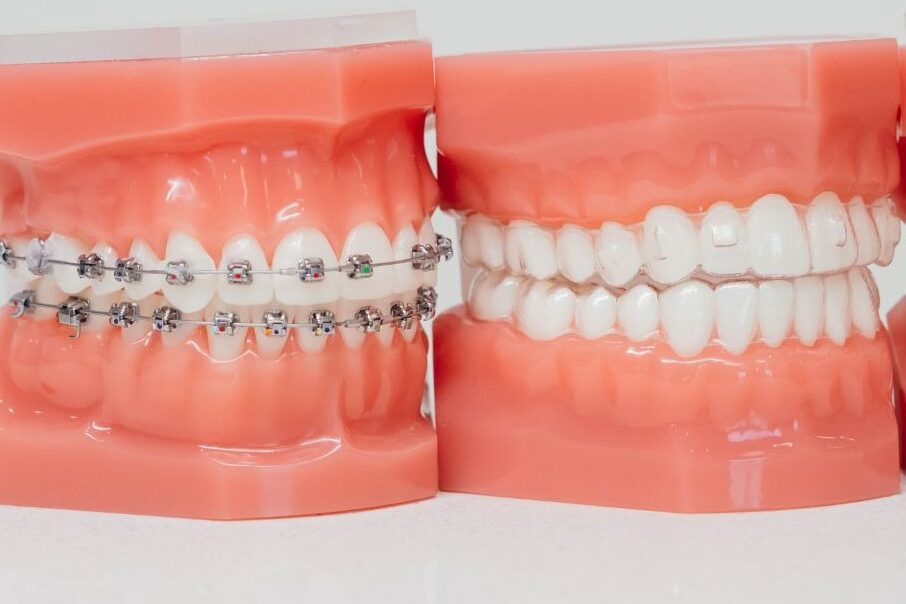
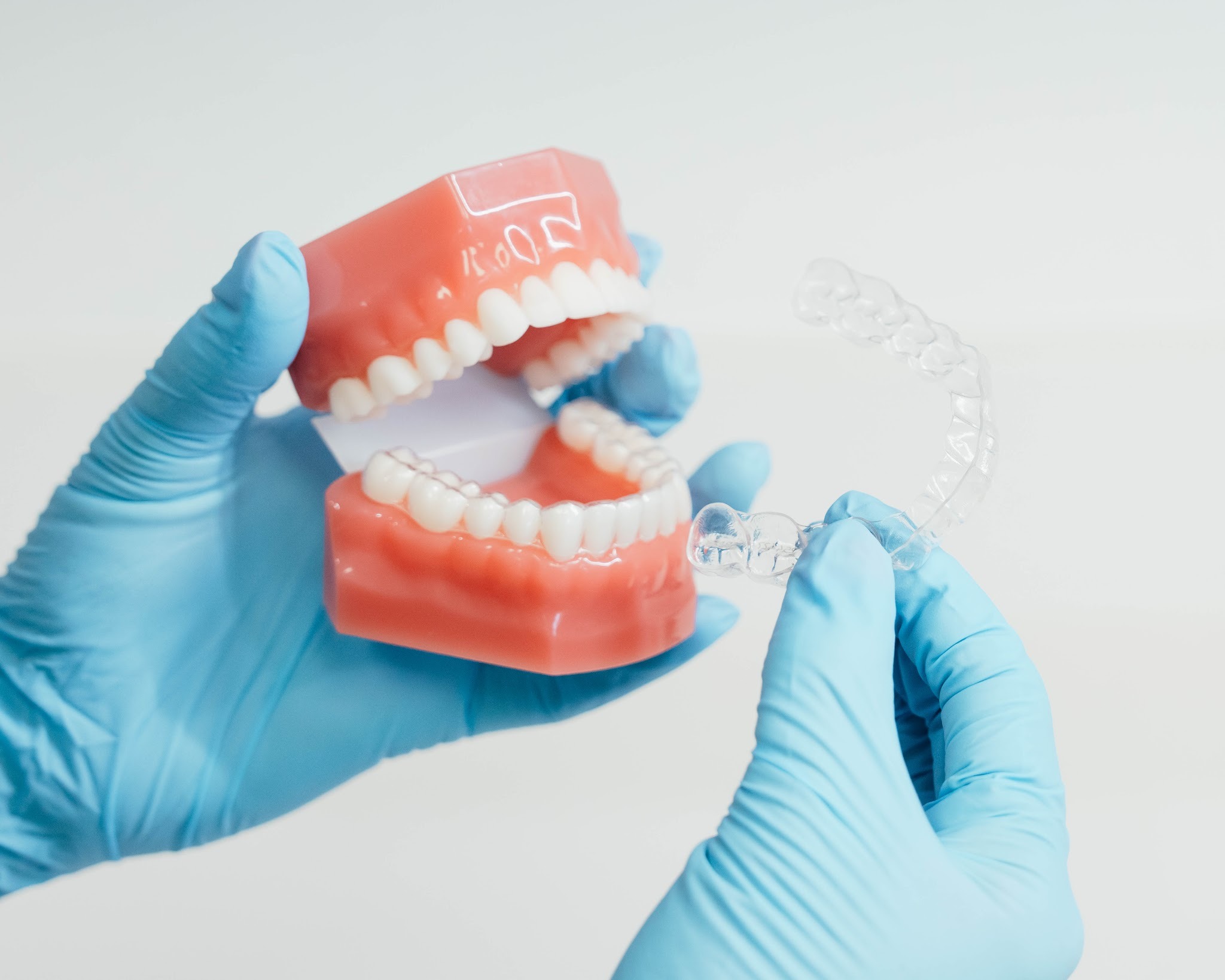
Traditional metal braces are fixed to your teeth and tend to work well for more complex cases including significant crooked teeth or a misaligned jaw. Clear aligners are removable and less noticeable, making them popular with teens and adults who want a more discreet option for braces treatment. Your orthodontist will walk you through which option makes the most sense based on what your teeth actually need. You can also visit our blog, “Is Invisalign Better Than Braces? Pros, Cons & Expert Guide” for more information.
Self-Evaluation vs. What Only an Orthodontist Can See
You can spot some signs at home: crooked teeth, visible gaps, or a bite that feels off. But a lot of what determines whether you need braces can only be seen with the right tools.
What You Can Check at Home
Stand in front of a mirror and look at your teeth. Do they overlap or have noticeable gaps? When you bite down, do your upper and lower teeth meet evenly? Do you notice jaw discomfort or hear clicking? These are useful starting points, but they’re not a diagnosis.
What Only an Orthodontist Can Diagnose
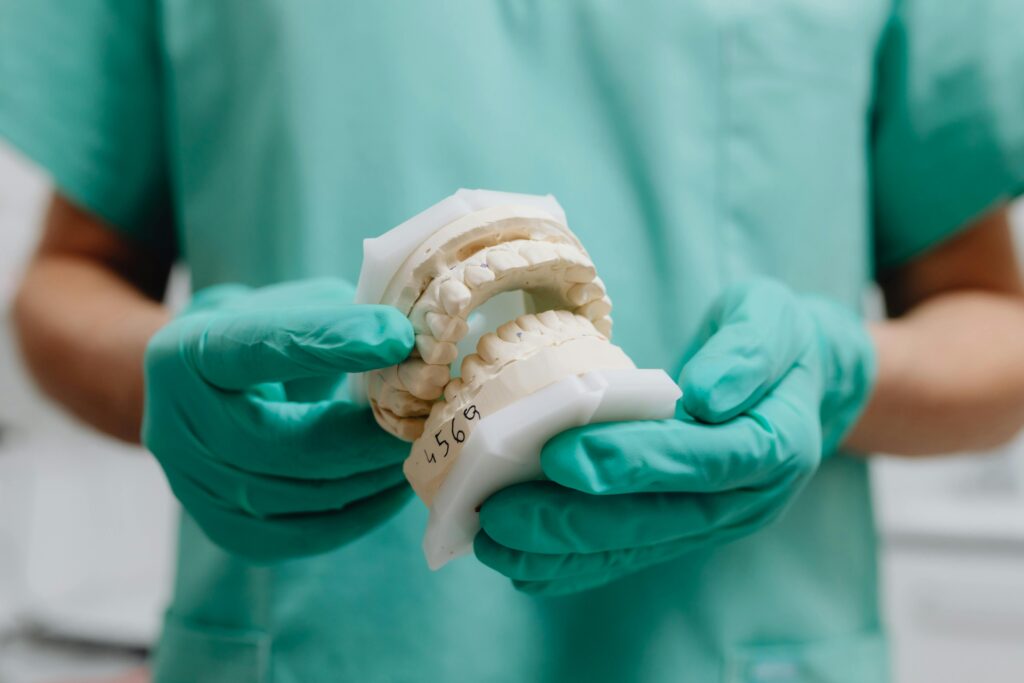
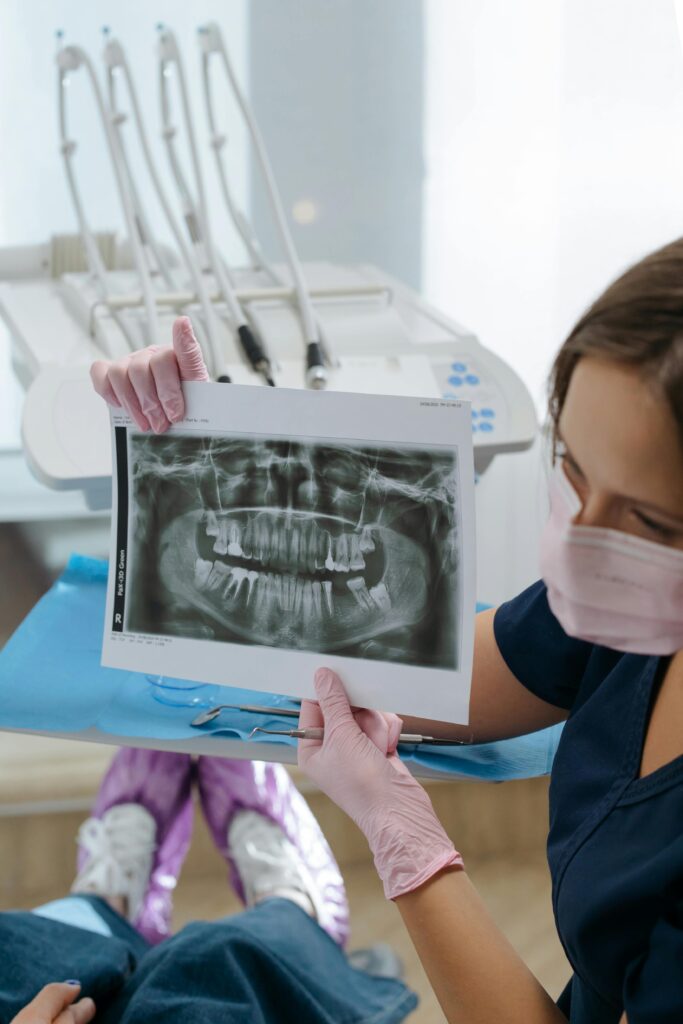
X-rays reveal what’s happening beneath the surface, including impacted teeth, bone issues, and root positions. A misaligned jaw often isn’t visible from the outside. Digital scans and bite analysis measure how your upper and lower teeth meet from every angle. These tools give your orthodontist the full picture needed to recommend the right braces treatment for your specific case.
What Happens During Your Consultation
Once you’ve noticed a potential issue, the next step is simple: book a consultation. The visit is low-pressure and focused entirely on understanding your teeth and bite.
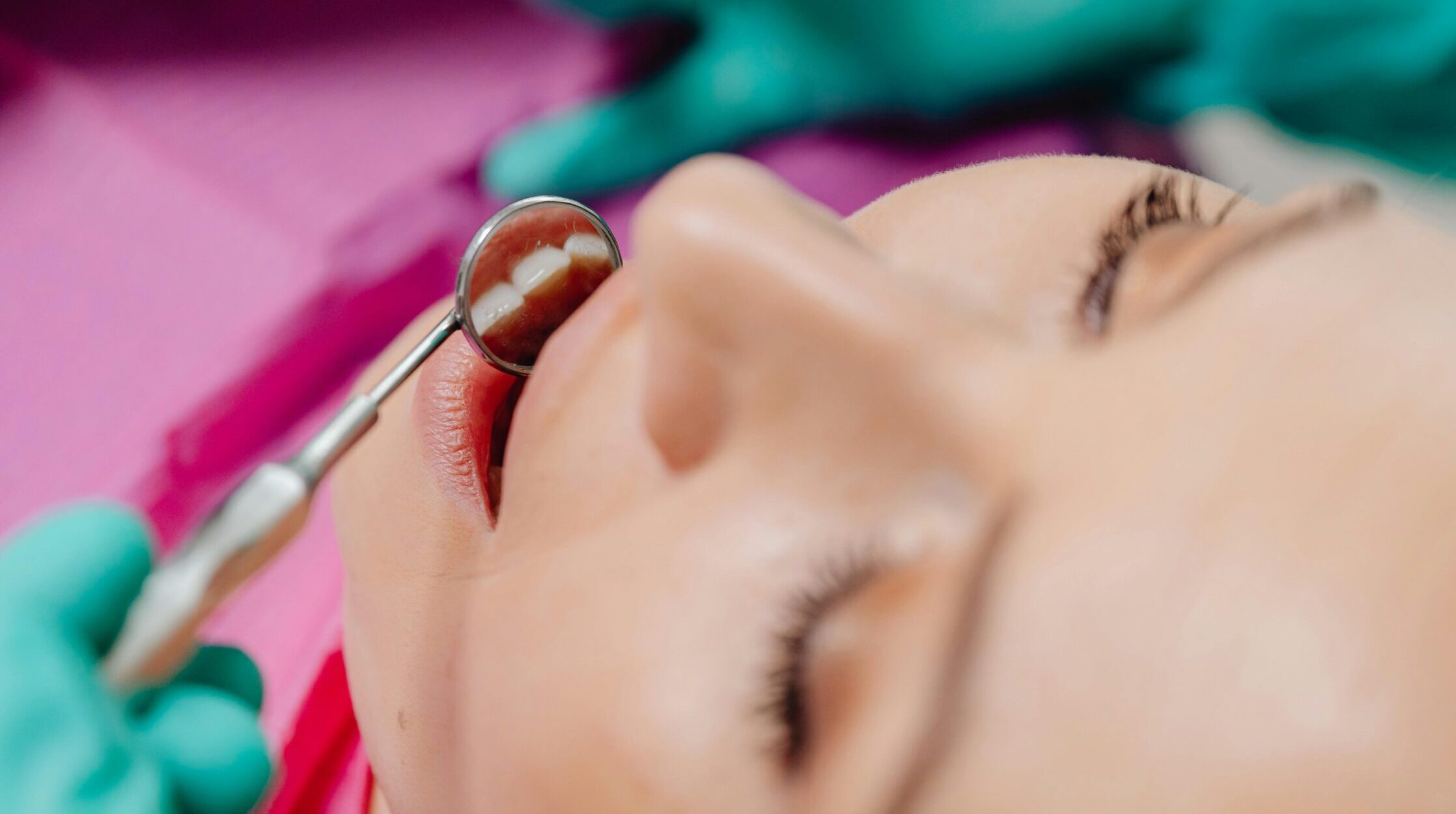
Your orthodontist will start with digital imaging or X-rays to get a clear look at your alignment, roots, and jaw position. From there, they’ll do a bite evaluation and ask about what you’ve been noticing, whether that’s crooked teeth, a child’s teeth coming in at odd angles, or general jaw discomfort. If treatment is recommended, you’ll get a straightforward breakdown of your options, including metal braces, clear braces, or aligners, along with a general idea of timeline and cost. Most consultations are free or low-cost, and there’s no commitment required.
Frequently Asked Questions
Common signs include crooked teeth, bite issues like an overbite or underbite, a misaligned jaw, difficulty chewing, and gaps between teeth. The most reliable way to know is to have an orthodontist evaluate your teeth and bite directly.
An overbite is when your upper front teeth extend noticeably beyond your lower teeth when you bite down. A small amount of overlap is normal. If the overlap is significant or causes discomfort, it’s worth having it checked as part of a broader orthodontic care evaluation.
There is no age limit for braces treatment. Orthodontic care works for adults just as well as it does for teens. The process may take a bit longer in adults since the jaw is no longer growing, but straight teeth are still achievable at any age.
It depends on the issue. Some problems are cosmetic and delaying won’t cause harm. Others, like a misaligned jaw or significant crowding, can get worse over time and lead to more complex treatment later. When in doubt, get an evaluation sooner rather than later.
Braces treatment length varies depending on the complexity of your case. Most people wear braces for anywhere from 18 to 24 months. Your orthodontist will give you a more specific estimate after evaluating your teeth.
Ready to Find Out? Visit Prince Orthodontics in American Fork
If any of the signs in this guide sound familiar, the next step is a simple conversation. At Prince Orthodontics in American Fork, Utah, we offer consultations to help you understand what’s going on with your teeth and what your orthodontic care options are. Whether you’re a parent concerned about your child’s teeth or an adult who’s been putting it off, we’re here to give you honest answers with no pressure.