If you’re thinking, “My braces hurt so bad I want to cry”, you are not alone. Many people experience this level of pain with dental braces after getting them or during an adjustment. In fact, this kind of discomfort is one of the most common aspects of getting braces and starting your teeth-straightening journey.
Braces work by applying steady pressure to move each tooth into a better position. This is part of orthodontic treatment, and while it is effective, it can also cause soreness and mild to moderate pain. You may even notice jaw pain on one side, especially as your bite begins to shift.
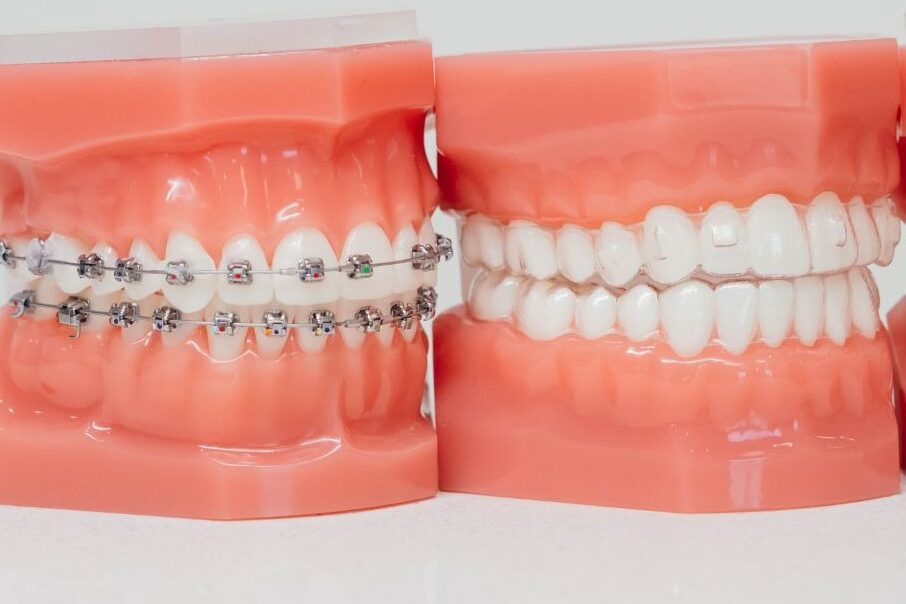
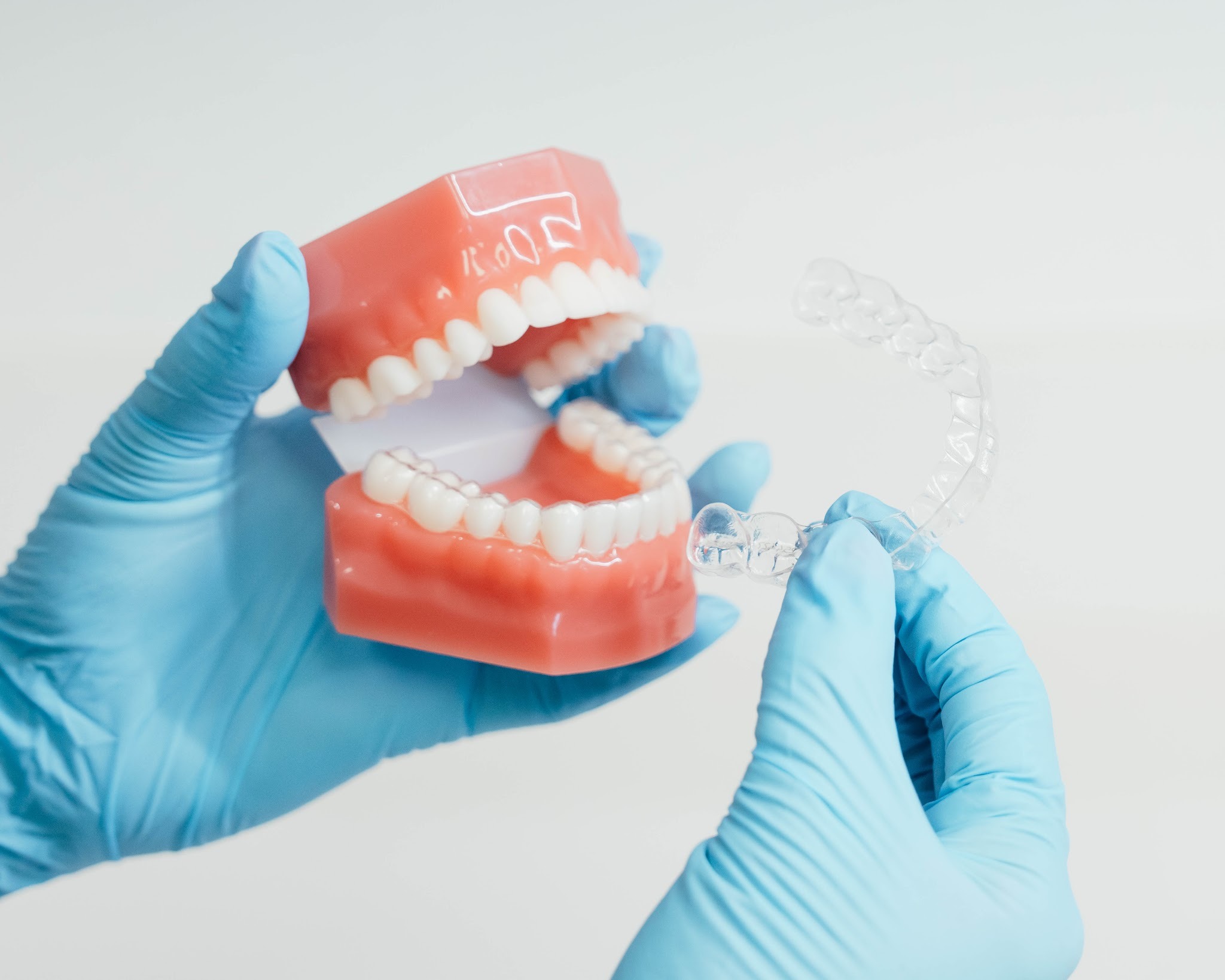
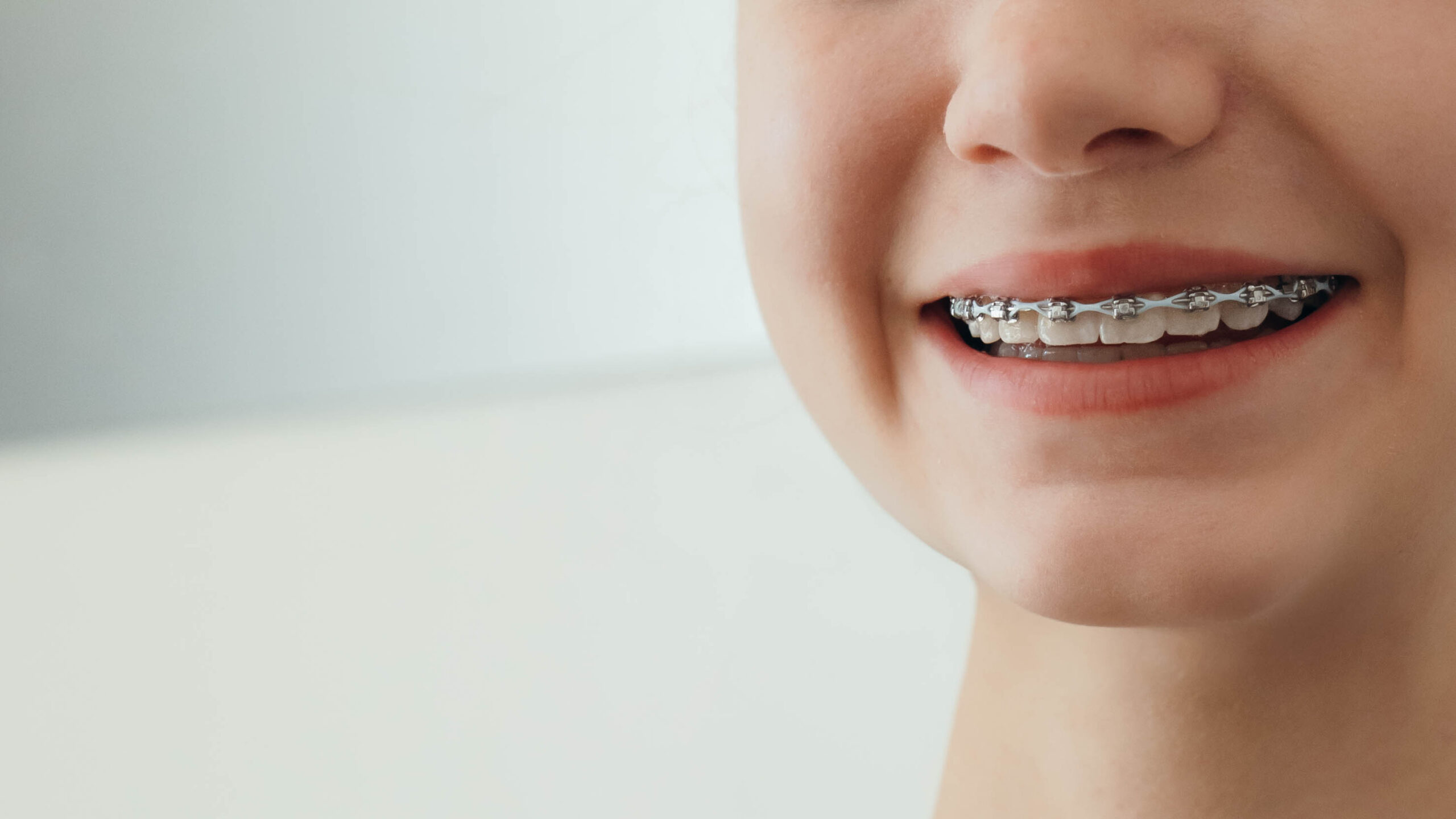
This can happen with different types of braces, including metal, ceramic, clear, and even lingual braces. Some people using clear aligners like Invisalign may also feel similar pressure, although it is often milder.
The discomfort can feel intense at first and may even feel like a crying cause for some patients. But it does improve. This is part of the braces journey that many patients go through. Here’s what is happening and how to manage it.
Why Do My Braces Hurt So Bad?
Braces move your teeth by applying constant pressure. This pressure affects the bone and soft tissue around each tooth, which leads to soreness, irritation, and inflammation.
You may feel:
- Aching in your teeth
- Tender gums or sore gums
- Pressure around each bracket
- Jaw pain, sometimes on one side
- Sore spots along your cheeks
That one-sided discomfort is often due to your bite shifting unevenly at first.
Even with adult braces, the experience is similar. Your mouth simply needs time to adjust to the treatment and the tight brace feeling.
Why Do Braces Hurt More After Tightening?
After adjustments, your orthodontist increases the pressure on your teeth to keep them moving. This process is often referred to as braces tightening.
With traditional metal braces or ceramic braces, this may involve:
- Tightening wires
- Adjusting rubber bands
Each bracket plays a role in guiding your tooth into place.
If you are using clear aligners or other aligners, switching to a new set can create the same effect.
You may notice:
- Pain started a few hours later
- Increased soreness the next day
- Gradual relief after a few days
This is a normal part of orthodontic treatment and managing braces over time.
How Long Does Braces Pain Last?
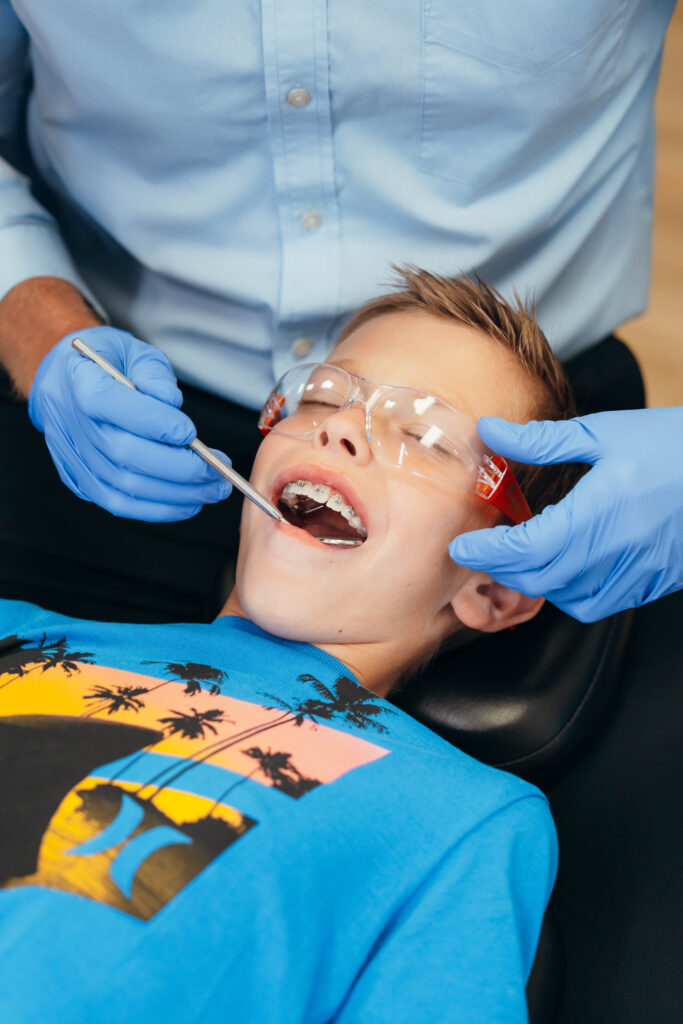
A common question is, how long does braces pain last?
For most people:
- The worst discomfort lasts 2 to 3 days
- Soreness can last up to a week
- Mild discomfort may return with each adjustment
This applies to metal braces, clear braces, ceramic braces, and even aligners.
Even though aligners are often more subtle, they still apply pressure to each tooth, which can cause discomfort and temporary pain.
My Braces Hurt So Bad I Can’t Eat or Sleep
Pain can sometimes interfere with daily life, especially early in orthodontic treatment.
If eating feels difficult
When your teeth are sore, chewing can be uncomfortable. This is common with traditional braces, lingual braces, and even aligners.
Stick to soft foods like:
- Yogurt
- Smoothies
- Soup
- Mashed potatoes
Avoid hard foods that put pressure on each tooth or could damage a bracket or lead to a broken bracket.
If sleeping is uncomfortable
Pain may feel worse at night, especially for orthodontic patients adjusting to new braces.
To help:
- Use a cold compress
- Take a pain reliever if needed
- Keep your head elevated
These steps can help reduce discomfort from dental braces or aligners and provide temporary relief. If you are unable to sleep due to the pain, please contact your orthodontist and set up an appointment.
Pain can sometimes interfere with daily life, especially early in orthodontic treatment.
If eating feels difficult
When your teeth are sore, chewing can be uncomfortable. This is common with traditional braces, lingual braces, and even aligners.
Stick to soft foods like:
- Yogurt
- Smoothies
- Soup
- Mashed potatoes
Avoid hard foods that put pressure on each tooth or could damage a bracket or lead to a broken bracket.
If sleeping is uncomfortable
Pain may feel worse at night, especially for orthodontic patients adjusting to new braces.
To help:
- Use a cold compress
- Take a pain reliever if needed
- Keep your head elevated
These steps can help reduce discomfort from dental braces or aligners and provide temporary relief. If you are unable to sleep due to the pain, please contact your orthodontist and set up an appointment.
How to Stop Braces Pain Immediately
If you need fast pain relief from braces, there are a few simple options.
- Apply a cold compress to your jaw
- Drink cold water
- Use orthodontic wax over any irritating bracket
- Take an over-the-counter pain reliever
These methods help reduce inflammation caused by orthodontic treatment. Cold therapy, such as applying ice packs, also works well because it numbs the area and provides quick pain relief.
Best Ways to Relieve Braces Pain at Home
Managing discomfort from dental braces doesn’t have to be complicated. Here are a couple of small adjustments to your daily routine that can make a big difference.
- Choose gentle foods that don’t require much chewing, like yogurt, mashed potatoes, smoothies, or soups. This helps prevent added pressure on sensitive teeth.
- Rinse with warm salt water to soothe sore gums and keep your mouth clean. It can also help reduce irritation from brackets and wires.
These at-home strategies work across different types of orthodontic treatment. If you wear clear aligners, you might notice soreness when switching to a new tray. Staying consistent with softer foods during those transition days can help you adjust more comfortably while still keeping your treatment on track.
Tips to Reduce Braces Pain Over Time
As your mouth gradually adjusts to orthodontic treatment, discomfort tends to lessen, but building the right habits can make that process much smoother.
Helpful habits include:
- Following your orthodontist’s instructions
- Wearing rubber bands as directed
- Avoiding foods that can damage a bracket
- Keeping your teeth clean to prevent tooth decay
- Staying consistent with your orthodontic treatment
No matter what braces or aligners you wear, these habits can help reduce unnecessary pain and irritation. Over time, your teeth and gums will adapt, making each adjustment feel more manageable and less disruptive to your daily routine.
When to Be Concerned About Braces Pain
Some level of discomfort is a normal part of orthodontic treatment, especially after adjustments. However, certain symptoms may signal that something isn’t right and should be looked at by your orthodontist.
Contact your orthodontist if you experience:
- Severe pain or worsening discomfort
- A broken bracket
- Loose wires
- Sores that do not heal
- Pain that feels sharp or unusual
While these issues can occur with any type of dental braces or clear aligners, they’re usually minor and easy to fix when addressed early. Reaching out to your orthodontist right away can prevent further discomfort and help keep your treatment progressing as planned.
Brace Pain Is Temporary
It may feel overwhelming at times. Especially when you keep thinking, my braces hurt so bad I want to cry. Some patients even describe moments of crying during the early stages, but this is part of the orthodontic braces challenges many people experience. But this stage is temporary.
Your teeth will adjust. Your mouth will get used to the pressure. And your orthodontic treatment will become easier over time. No matter what braces or aligners you wear, the process follows the same pattern. The discomfort fades. The results last. And eventually, when your braces-off day arrives, it all feels worth it.
Frequently Asked Questions About Braces Pain
Yes, this is common, especially with metal braces, ceramic braces, or after switching aligners. The pressure and soreness can feel intense at first, but it usually improves within a few days.
Jaw pain on one side can happen as your bite shifts during orthodontic treatment. This can occur with traditional braces, lingual braces, or even clear aligners.
Cold compresses, soft foods, and pain relievers can help. Orthodontic wax can protect your cheeks and soft tissue from irritation caused by a bracket. These methods work for both dental braces and aligners.
You should call if the pain is severe, lasts longer than a week, or if a broken bracket occurs. Also, reach out if your aligners do not fit properly or cause unusual discomfort.
Schedule Your Consultation with Prince Orthodontics
Your smile deserves long-term care. At Prince Orthodontics, we help patients maintain their results with the right retainer solutions.
If you have questions about your teeth retainer or need help choosing the best option, our team is here to guide you.
Schedule your consultation today and take the next step in protecting your smile.