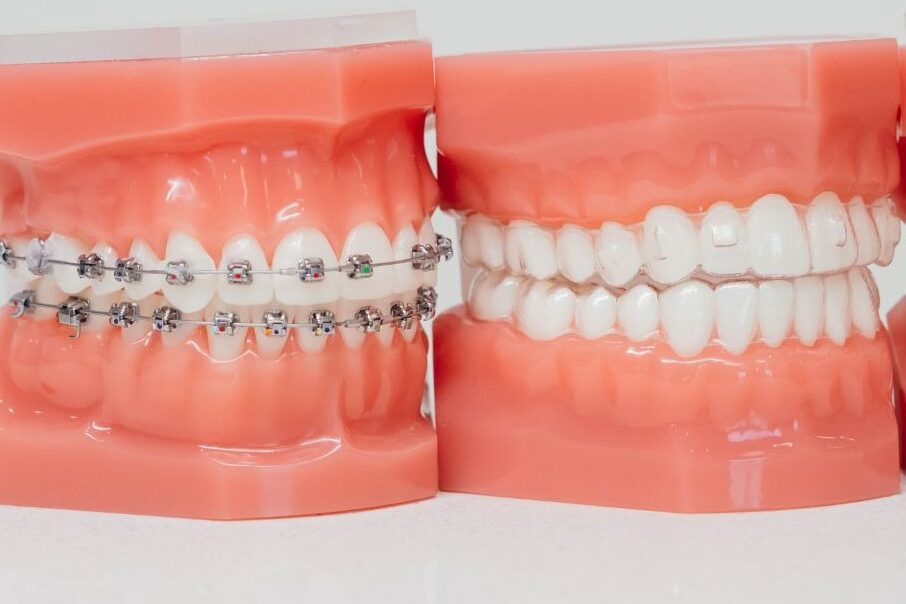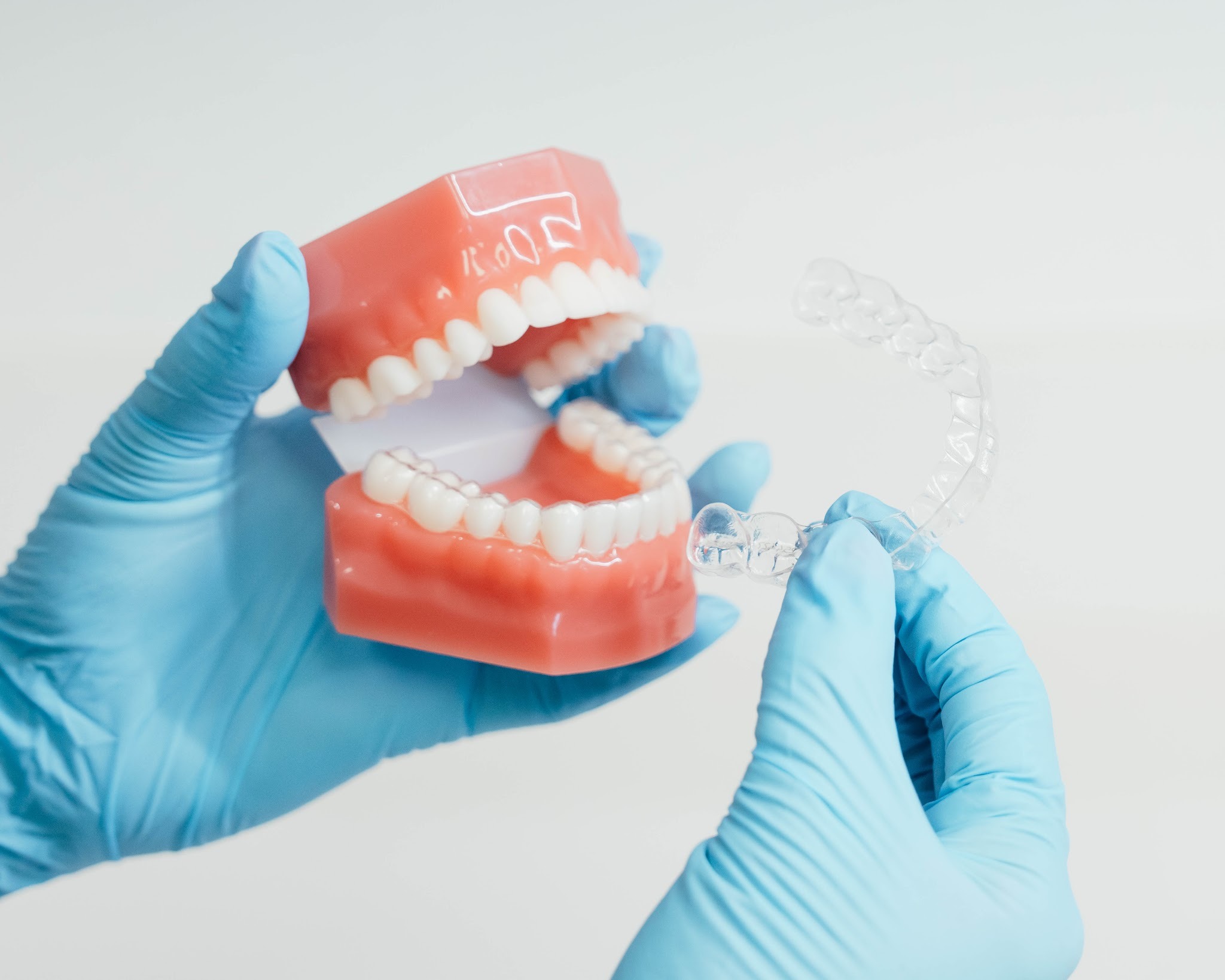
Knowing what can you not eat with braces can save you from painful setbacks and extra orthodontist visits. Braces are more durable than they used to be, but certain foods can still damage the brackets, wires, and rubber bands. As a general rule, avoid anything sticky, hard, or chewy. Soft foods are your safest bet while you’re in treatment. Below is a breakdown of the main food categories to watch out for, plus some tips on how to keep eating well without damaging your braces.
Foods to Avoid With Braces
Some foods are off-limits not just because of discomfort, but because they can break hardware, extend your treatment time, and increase your risk of tooth decay. Here is a closer look at what not to eat with braces and why.
Sticky Foods
Sticky foods are one of the biggest threats to braces. Caramel, taffy, gummy bears, and sticky or hard chocolate can coat your teeth in sugar and pull brackets right off. Gum is also a problem. It wraps around wires and brackets and is nearly impossible to clean out.
Chewy and Tough Foods
Chewy foods put strain on your braces and can loosen or break wires, bands, and brackets. They also tend to get packed into tight spaces between your teeth and hardware, where bacteria build up and raise your risk of tooth decay and gum disease. Tough meats fall into this same category. Steak, pork chops, and beef jerky require a lot of force to chew and can put too much pressure on your braces. Small pieces can also lodge in hard-to-clean spots.
Hard or Crunchy Foods
Hard and crunchy foods can pop off brackets and bend wires. Foods to avoid with braces include:
- Popcorn
- Nuts
- Hard taco shells
- Hard cookies or crackers
- Corn chips
- Pretzels
- Ice
- Sticky or hard candy
- Hard candy and lollipops
- Pizza crust
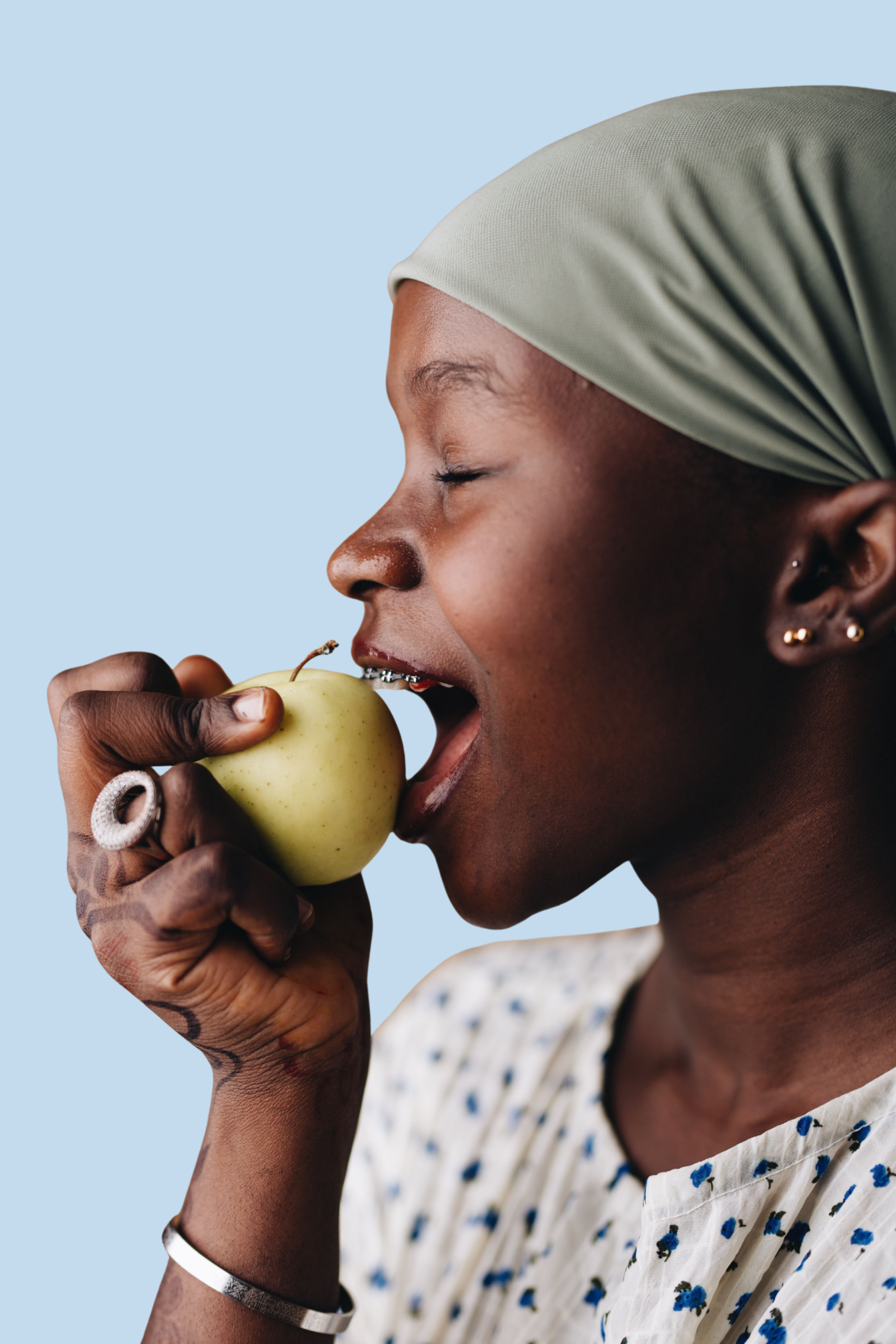
Raw fruits and vegetables can cause the same kind of damage if you bite into them the wrong way. Apples, carrots, corn on the cob, and other firm produce are hard enough to bend wires or knock off a bracket. The good news is you do not have to cut them out completely. You just need to prepare them differently, which we cover below.
Acidic Foods and Drinks
Soft drinks, diet sodas, sports drinks, energy drinks, and lemonade are rough on teeth with braces. Acid wears down enamel and strips it of minerals, which makes it easier for bacteria to cause cavities. Some people remove their braces only to find permanent white spots where enamel was damaged during treatment. Limiting acidic drinks goes a long way toward protecting your teeth. Sugar follows the same logic. It feeds the bacteria that cause plaque, and plaque is harder to remove when it builds up under and around brackets.
How to Eat With Braces
What you eat matters, but so does how you eat. Here are some practical ways to stay on a nutritious diet without putting your braces at risk.
Cut Food Into Smaller Pieces
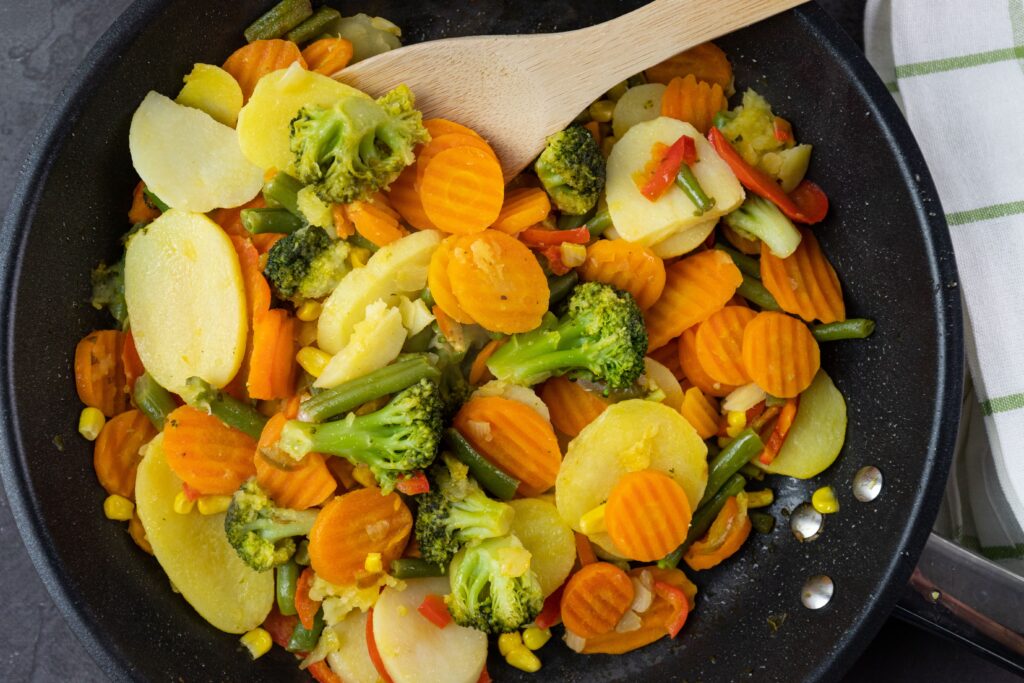
You do not have to give up fruits and vegetables. Cut apples, carrots, celery, and other firm produce into small pieces instead of biting into them whole. Cook vegetables when you can to soften them. For corn, cut it off the cob before eating. It may still get caught in your braces, but an interdental brush or water flosser can clear it out.
Chew Carefully and Use the Right Teeth
Eat slowly. Cut food when possible and use a fork and knife rather than biting straight in. Chew on your back molars, which are better suited to handle pressure. This reduces the chance of food hitting your brackets at a bad angle and also helps keep food from getting trapped in the wires.
Ask Yourself Before You Eat
Before eating something you are unsure about, run through a quick mental check:
- Will it get stuck and be hard to clean out?
- Could it snap a wire or pop a bracket?
- Does it feel like it is putting too much pressure on your teeth?
- Can you cut it into small enough pieces to make it safe?
Some foods that bother one person feel fine for another. Pay attention to your own mouth, and when in doubt, skip it or modify how you eat it.
Why Diet Matters During Treatment
Eating well while you have braces is not just about protecting hardware. A nutritious diet supports the bones and tissues that are actively shifting during orthodontic treatment. The healthier your body is overall, the better positioned you are to get good results. Staying away from damaging foods reduces the risk of broken brackets, emergency appointments, and delays in your treatment timeline.