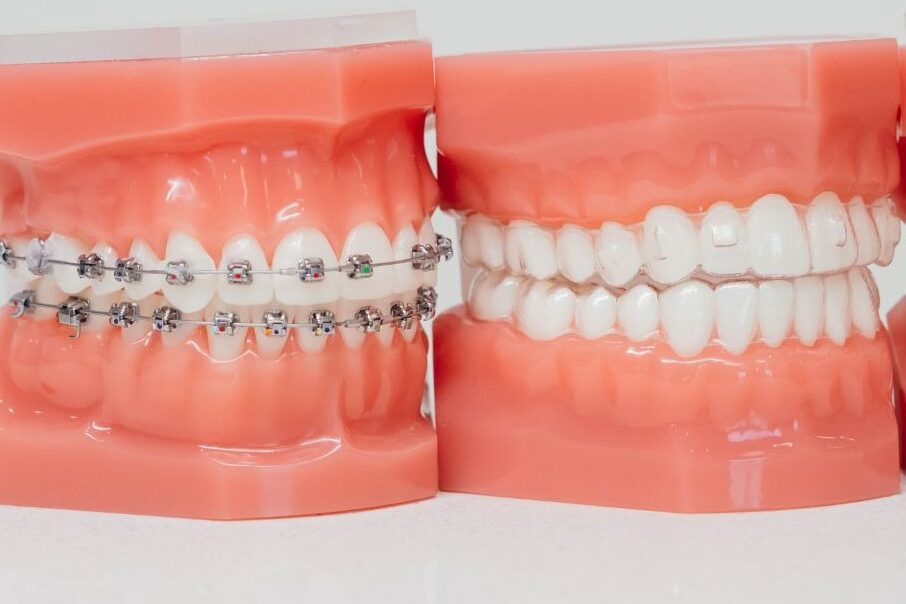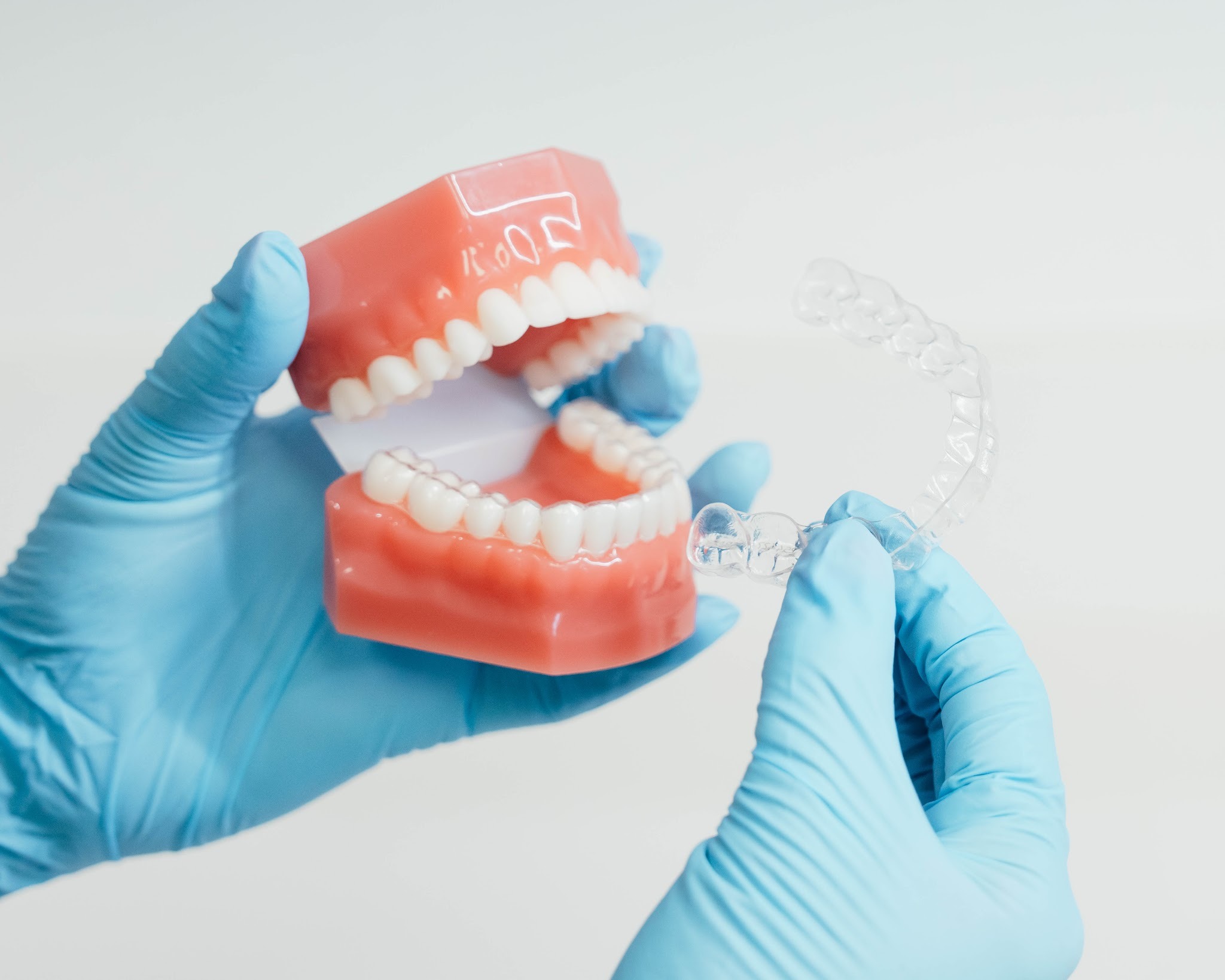
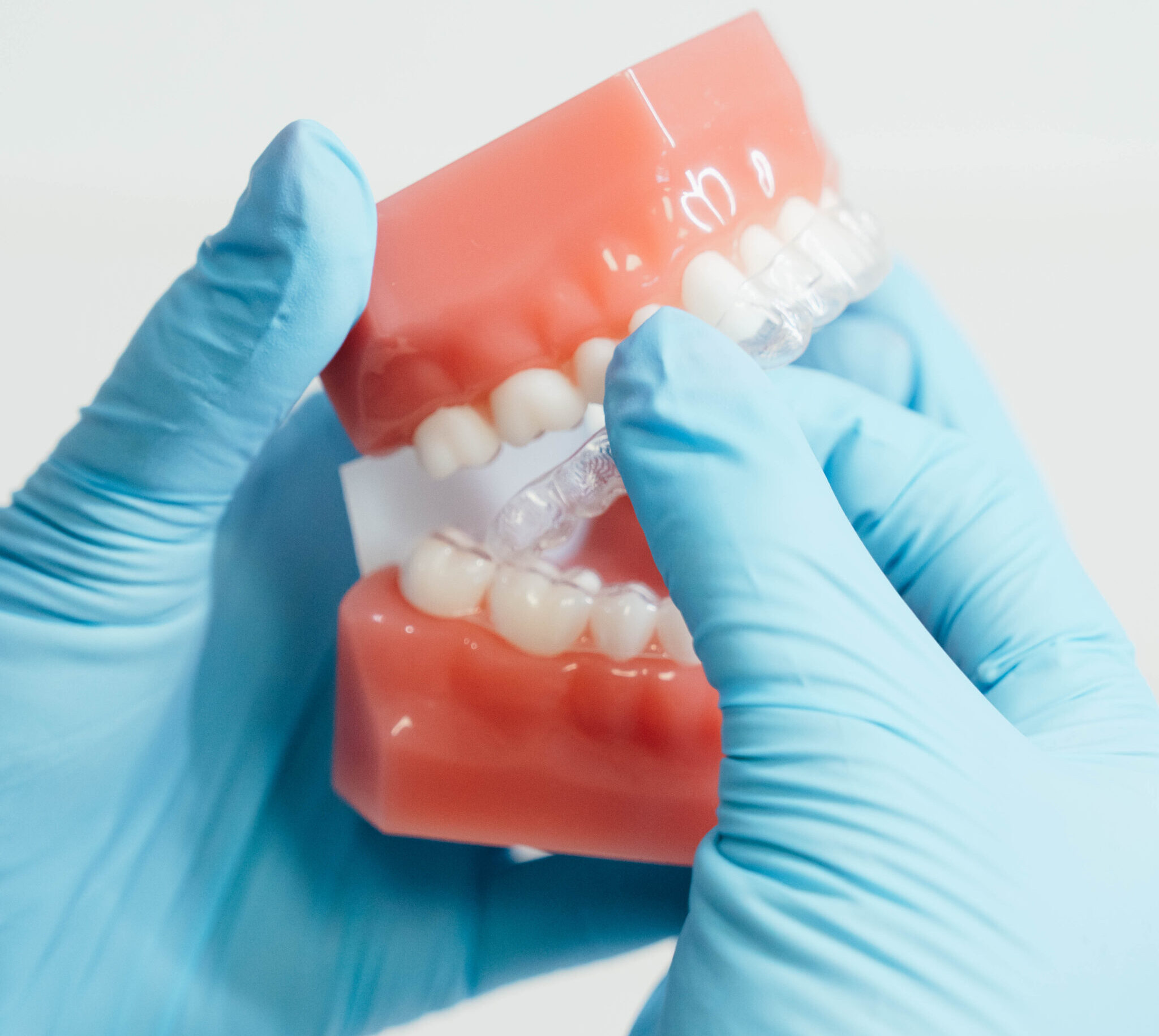
If you’ve recently completed orthodontic treatment, chances are you’ve been told to wear a retainer for teeth. While many patients feel like the hard part is over once braces come off, the truth is that maintaining your results is just as important as achieving them. A retainer is what keeps your smile from slowly shifting back over time.
A retainer for teeth is designed to hold your teeth in their corrected position after orthodontic treatment. Whether you’ve had braces or aligners, your teeth are not fully stable the moment treatment ends. A teeth retainer helps protect your investment by maintaining alignment while your mouth adjusts to its new position.
In this blog, we’ll walk through what a retainer is, how a permanent retainer works, and whether it’s the right choice for you.
What Is a Retainer and Why Is It Important?
A retainer is a custom-made appliance that helps maintain alignment after orthodontic treatment. When braces are removed, your teeth still have a natural tendency to move. This happens because the bone and ligaments surrounding each tooth need time to stabilize.
Without a retainer, those tissues can gradually pull teeth back toward their original positions. This is why orthodontic retention is such a critical phase of treatment. A retainer ensures that your teeth remain in their ideal alignment long enough for your body to fully adapt.
There are different retainer options available, including removable retainer designs and permanent solutions. Each retainer type is designed to support long-term stability, but the right choice depends on your lifestyle and needs.
Why Teeth Shift After Orthodontic Treatment
Teeth shifting after orthodontic treatment is completely normal if no retainer is used. Even small daily forces can influence alignment over time. Chewing, speaking, and even subtle habits like teeth grinding can contribute to gradual movement.
The lower teeth are especially prone to crowding as you age. This is why many orthodontists recommend long-term retention solutions for this area. Without a retainer for teeth, alignment can begin to change before you even notice it.
Maintaining alignment isn’t just about aesthetics. It also plays a role in bite function and overall oral health.
What Is a Permanent Retainer?
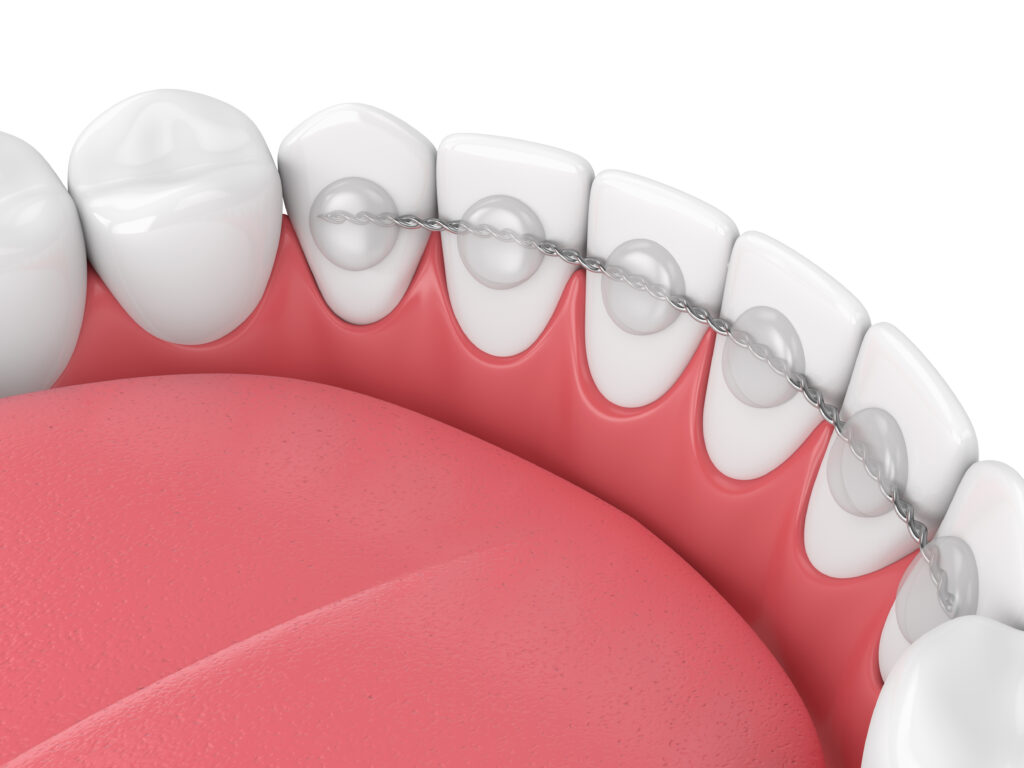
A permanent retainer is a thin wire that is bonded to the back of your teeth. It is most commonly placed behind the lower teeth, though it can also be used on upper teeth in some cases. Because it stays in place, it provides continuous support without requiring daily effort.
This type of retainer is also known as a bonded retainer or wire retainer. Unlike removable retainers, it cannot be taken out, which makes it a reliable option for maintaining alignment over time.
A permanent retainer is especially helpful for patients who want a low-maintenance solution. Since it is always working, there is no risk of forgetting to wear it.
Permanent Retainer vs. Removable Retainer
Choosing between a permanent retainer and a removable retainer depends on your habits and preferences. Both serve the same purpose, but they function differently in daily life.
A removable retainer can be taken out for eating and cleaning. It is often made from clear plastic and fits over your teeth. This type of teeth retainer requires consistent wear to be effective.
A permanent retainer stays bonded behind your teeth and works at all times. While it removes the need for daily wear, it does require careful cleaning to prevent plaque buildup.
In many cases, orthodontists recommend using both a permanent retainer and removable retainers together for optimal results.
Do You Really Need a Retainer?
Wearing a retainer for teeth is essential if you want to maintain your results long term. Teeth naturally move over time, and without a retainer, they can shift back toward their original positions.
Even small changes in alignment can impact the appearance of your smile and the function of your bite. Skipping your retainer can lead to the need for additional orthodontic treatment in the future.
A retainer is not optional—it is the final step in preserving your smile.
How Long Should You Wear a Retainer?
The length of time you need to wear a retainer varies, but most patients require long-term or lifelong retention. Immediately after braces, a removable retainer is typically worn full-time before transitioning to nighttime use.
A permanent retainer simplifies this process by providing continuous support. As long as it remains intact, it helps maintain alignment without requiring a schedule.
Your orthodontist will provide guidance based on your specific case, but consistency is key.
How to Care for a Permanent Retainer
Caring for a permanent retainer is important for both your alignment and your oral health. Because the wire is bonded behind your teeth, it can create small spaces where plaque can accumulate.
- Brush thoroughly using a toothbrush around the retainer
- Floss daily to clean between teeth and around the wire
- Maintain regular dental visits to monitor your retainer
Good hygiene helps prevent gum disease and keeps your retainer functioning properly.
Signs Your Retainer Needs Repair
Over time, a retainer may need adjustment or repair. Recognizing the signs early can help prevent further issues.
- A loose or broken wire
- Noticeable shifting in alignment
- Difficulty cleaning certain areas
If you experience any of these issues, contact your orthodontist as soon as possible.
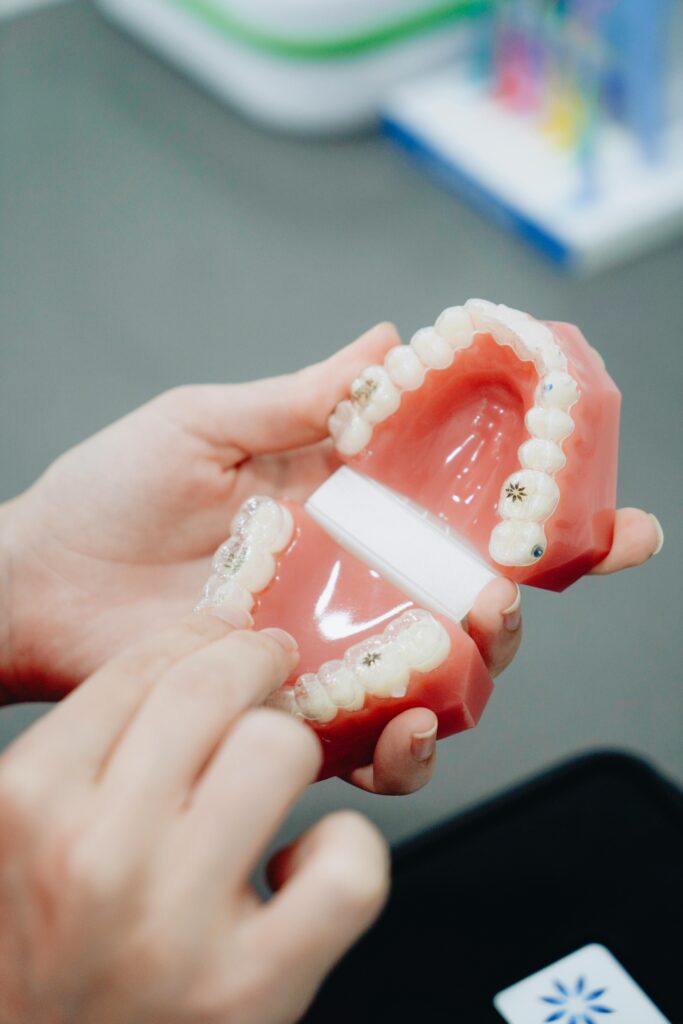
Long-Term Benefits of Wearing a Retainer
Maintaining proper alignment helps distribute bite forces evenly, which can reduce unnecessary strain on individual teeth and supporting structures. When alignment is preserved, it can also make daily oral hygiene more effective, since straight teeth are generally easier to clean than crowded or overlapping ones.
Over time, small shifts can lead to larger concerns, including uneven wear or difficulty flossing between tight spaces. A retainer helps prevent these gradual changes before they become noticeable problems. For many patients, this makes retention one of the most important phases of orthodontic care, even though it receives less attention than braces.
When You Might Need a Replacement or Adjustment
Even though a permanent retainer is designed to be durable, there may be situations where it needs to be repaired or replaced. This can happen due to normal wear, accidental damage, or changes in your teeth over time.
If a section of the retainer becomes detached, it’s important to have it evaluated quickly. Leaving it unaddressed can allow teeth to shift, even if only slightly at first. Early intervention helps maintain alignment and prevents more significant movement.
In some cases, your orthodontist may recommend updating your retention plan. This could involve adding a removable retainer or replacing an existing one to better support long-term stability.
Building a Retention Routine That Lasts
The key to maintaining your smile is consistency. Whether you have a permanent retainer, a removable retainer, or both, building a routine makes a big difference. Simple habits like cleaning thoroughly, attending regular checkups, and following your orthodontist’s recommendations all contribute to lasting results.
It’s also helpful to think of your retainer as part of your long-term oral health routine, not just a temporary step. Just like brushing and flossing, retention becomes a normal part of maintaining a healthy, confident smile.
By staying consistent and proactive, you can enjoy the benefits of your orthodontic treatment for years to come without worrying about your teeth shifting back.
FAQ: Permanent Retainers and Retainer Care
A retainer is working if your teeth remain stable and your alignment does not change. If you notice tightness, shifting, or discomfort, it may be a sign that your retainer needs to be checked by your orthodontist.
Yes, you can eat most foods normally with a permanent retainer. However, it’s best to avoid very hard or sticky foods that could damage the wire or bonding.
If you stop wearing a removable retainer, your teeth can begin to shift out of alignment. This can happen gradually or relatively quickly depending on your case, which is why consistent wear is so important.
Schedule Your Consultation with Prince Orthodontics
Your smile deserves long-term care. At Prince Orthodontics, we help patients maintain their results with the right retainer solutions.
If you have questions about your teeth retainer or need help choosing the best option, our team is here to guide you.
Schedule your consultation today and take the next step in protecting your smile.