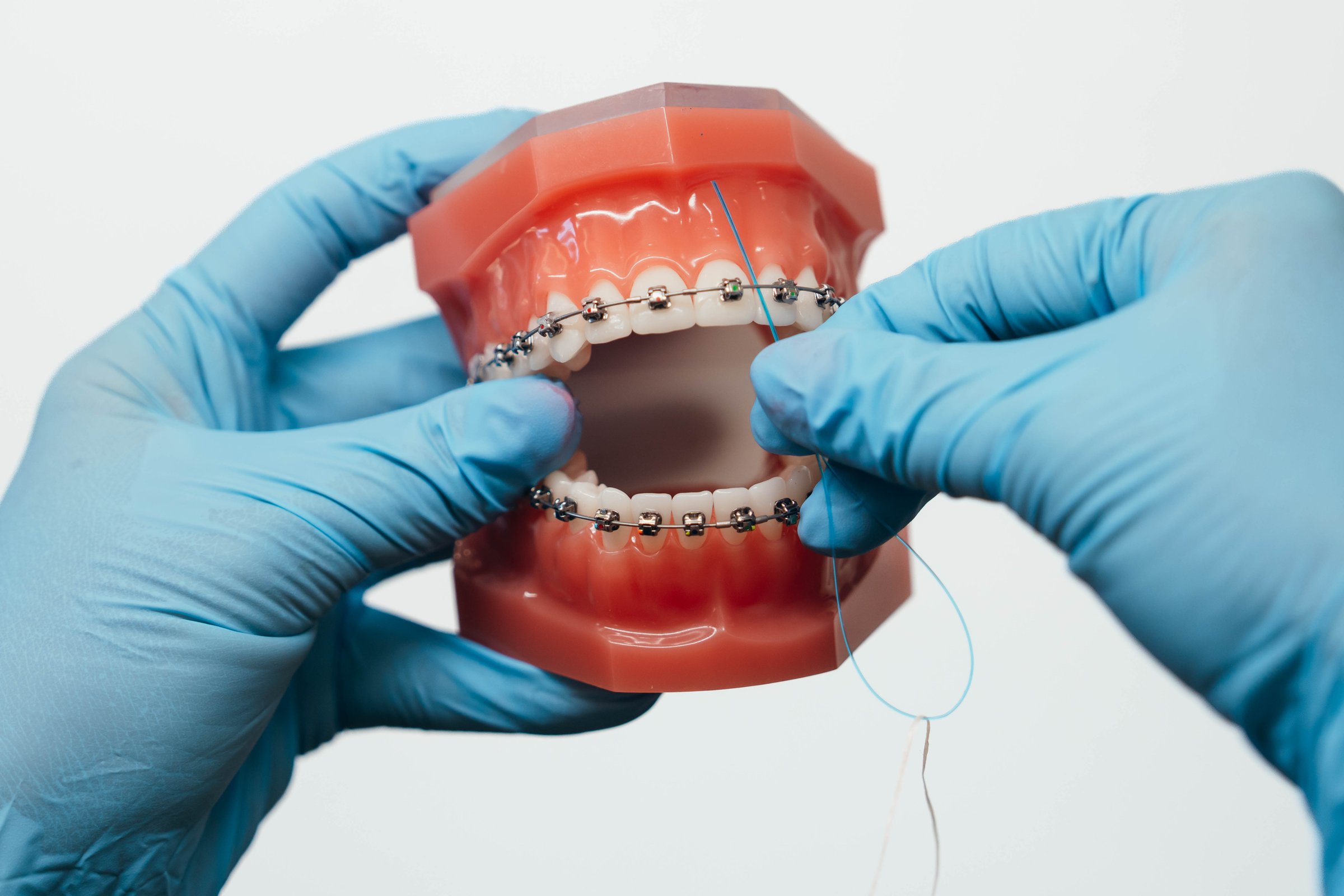
Braces move your teeth into place slowly and carefully. But one hard hit during a game can undo that progress fast. If you’re wondering how to protect braces during sports, it comes down to a handful of habits you can build into your regular routine. Here are five ways to keep your braces, and your mouth, safe while you stay active.
1. Wear the Right Protective Gear
Mouth protection isn’t optional if you’re playing sports with braces. It’s the easiest way to avoid an injury that could also damage your braces or cut your lip. The American Association of Orthodontists considers a mouthguard essential protection for anyone in active treatment, since it covers both the teeth and the brackets underneath.
Mouthguards
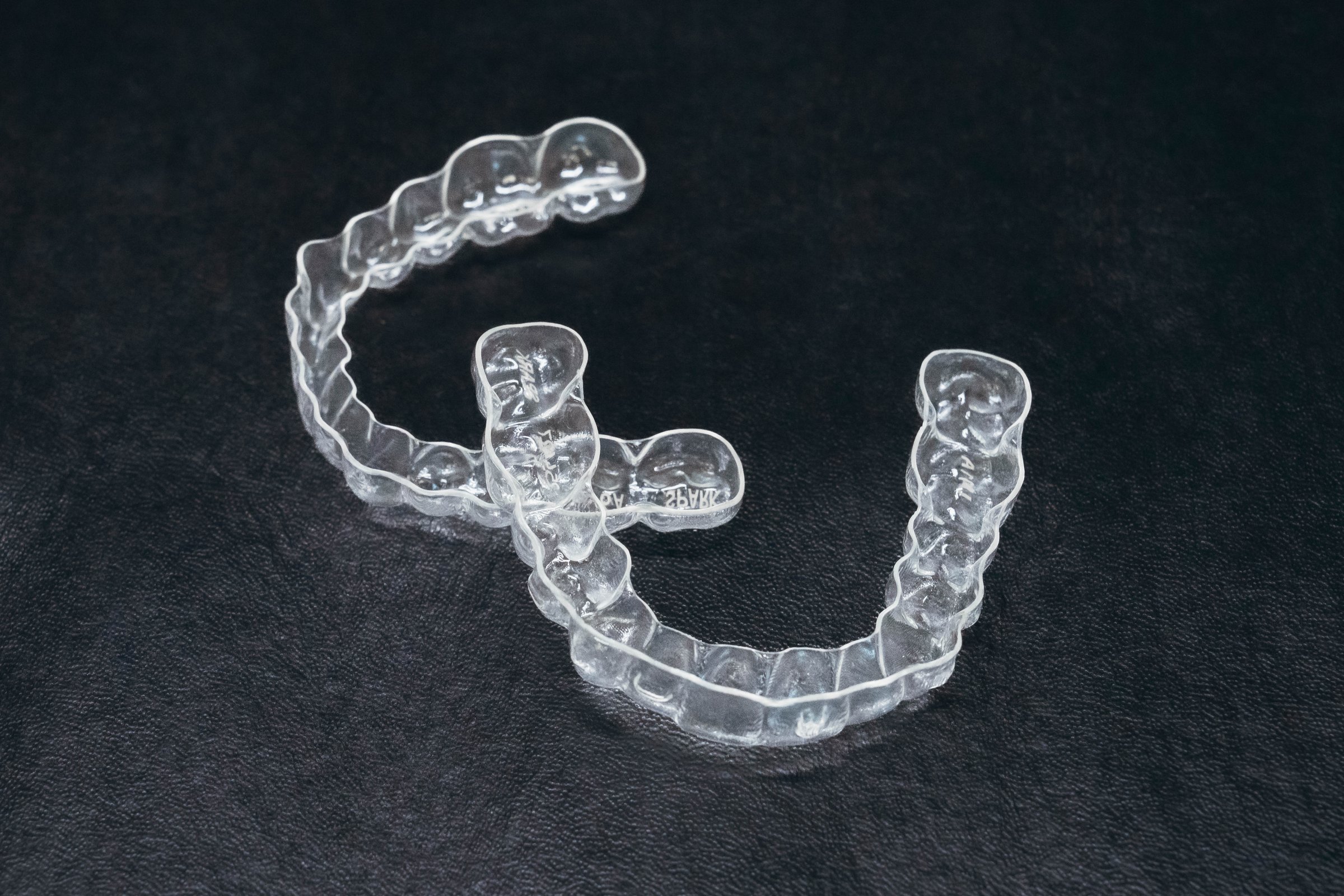
A mouthguard is your first line of defense, no matter what sport you play. Even something as low-contact as table tennis can end in an accidental hit to the face. A properly fitted orthodontic mouthguard for braces shouldn’t get in the way of how you play. It should just sit there, doing its job, until you need it.
Helmets and Face Shields
Sports like football require a full facial guard, which blocks most direct hits. But a helmet doesn’t stop everything. Your lips and cheeks can still get pushed into your braces from the inside, even under a mask. That’s why a mouthguard still matters, helmet or not.
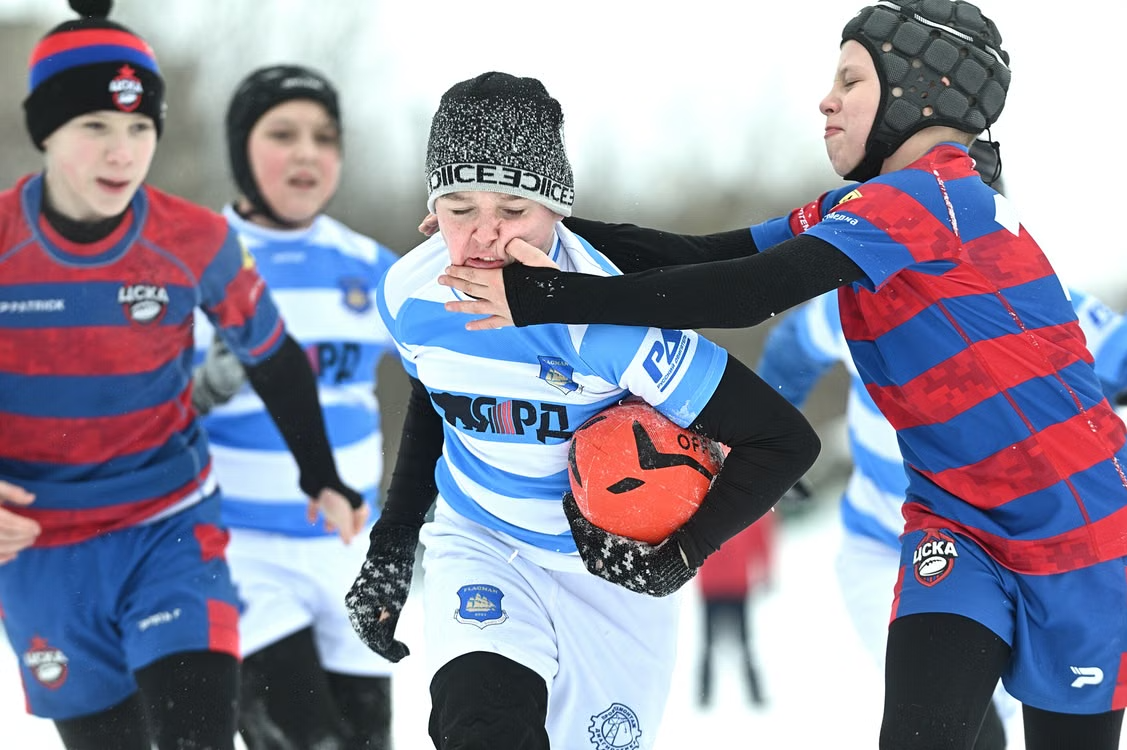
Some sports carry more risk than others. Hockey, rugby, and football have some of the worst track records for chipped teeth, tooth loss, and broken jaws, at every age, not just the pro level. Basketball doesn’t involve a hard ball flying at your face, but elbows and heads collide more than people expect. And it’s not just organized sports. Rough play with siblings or an accident on playground equipment can cause the same kind of damage. The safest approach is to wear a mouthguard for every sport, every time.
2. Choose the Right Mouthguard for Braces
Not every mouthguard works the same way once you have braces. There are two main types: boil-and-bite and custom-fitted.
Boil-and-bite guards are available at most sporting goods stores or pharmacies. Heat it up, bite down while it’s warm, and it molds to your teeth. It’s a solid budget option, but as your teeth shift from treatment, the fit loosens up, and you’ll need to remold it every so often. Look for one made specifically for braces, since regular versions don’t leave enough room for brackets and wires. Some cheaper ones only mold once, so once it stops fitting, you’ll need a new one.
A custom-fitted mouthguard comes from an impression your orthodontist or dentist takes of your teeth. It fits better and holds up longer than a store-bought option. The catch is that your teeth keep moving, so a custom guard can go from perfect fit to too tight fairly quickly, meaning a new impression and a new guard. That might mean more visits than you’d like during a busy season, so talk to your orthodontist about whether custom makes sense for your treatment timeline. Choosing the right guard is one of the simplest ways to protect braces during sports without changing anything else about how you play.
Have questions about your specific treatment and sports? Schedule a visit with our team and we’ll help you find the right setup.
3. Pack a Braces Safety Kit
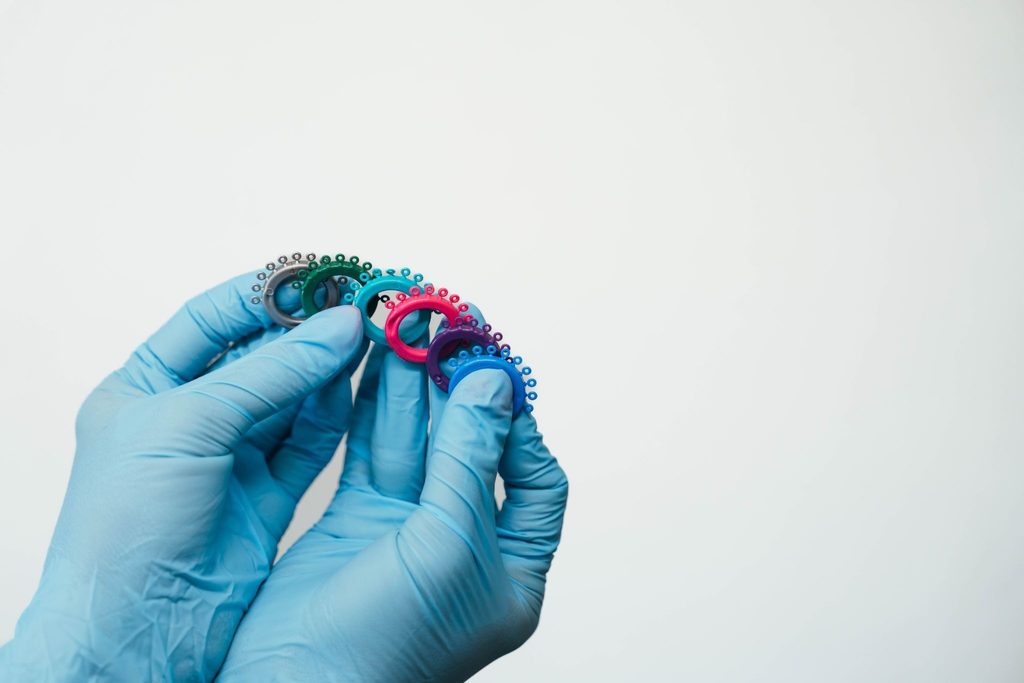
Keep a small kit in your sports bag so you’re ready if something goes wrong mid-practice or mid-game. Pack:
- Orthodontic wax for sharp edges
- A travel toothbrush and toothpaste
- A compact mirror to check for damage after contact
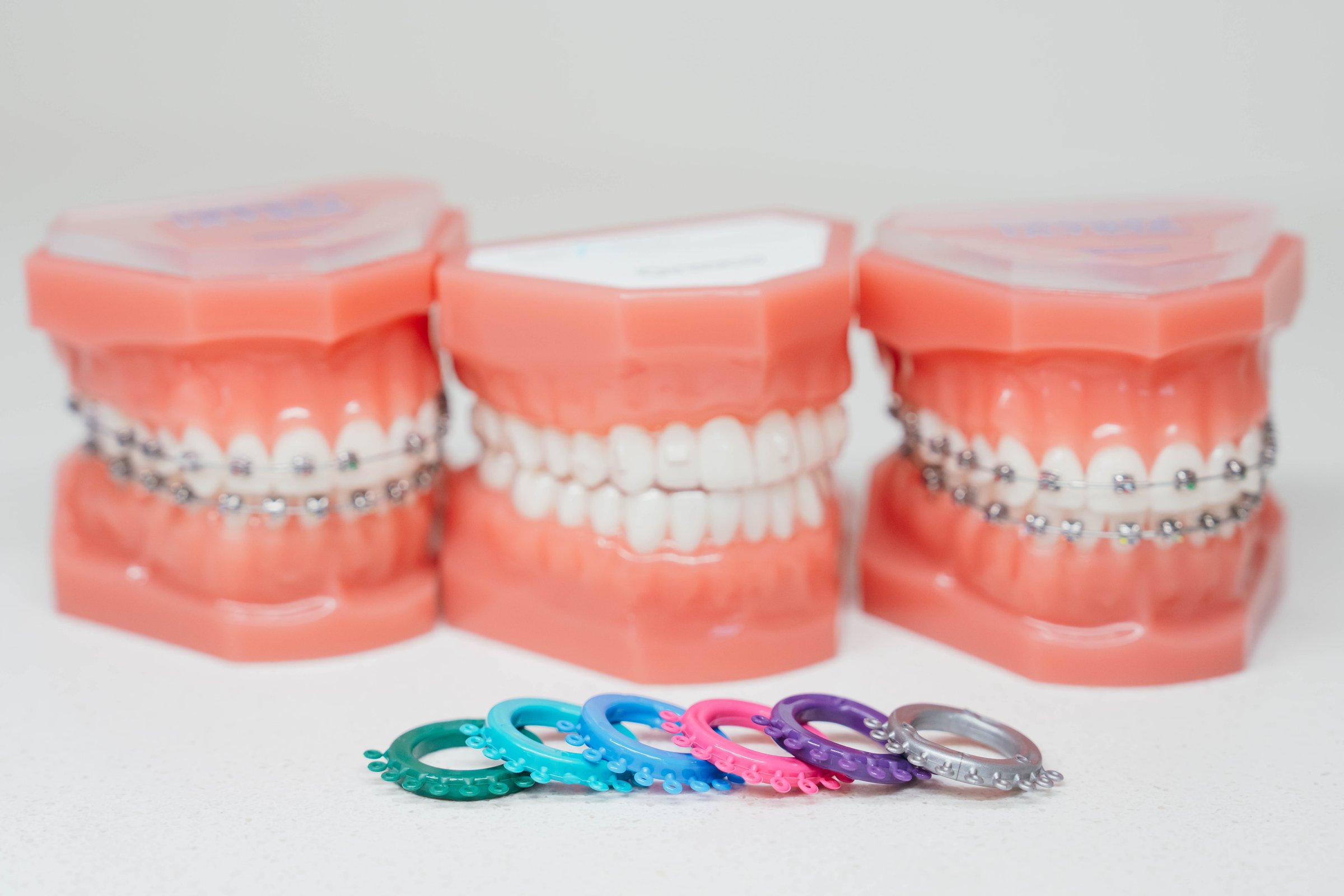
- Extra elastics if you’re using them in treatment
- A water bottle to rinse with when you can’t brush
Keep this kit with your gear all season so you’re never caught off guard by a loose wire or a poking bracket.
4. Watch What You Eat and Drink During Sports Season
Staying fueled and hydrated matters during a busy season, but some go-to choices aren’t great for braces or contact-heavy routines. Water should be your main source of hydration during games and practice. If you need an electrolyte boost, pick lower-sugar, lower-acid options, and skip the bright, dye-heavy drinks that can stain teeth. Diluting a sports drink with water helps too.
Hard or sticky snacks can loosen wires or pop off brackets. Better options include yogurt pouches, bananas or seedless grapes, cheese sticks, smoothies, and soft granola bars without nuts. After anything sugary or acidic, rinse with water, and brush as soon as you can after games or practice. For a full rundown of what’s safe to eat with braces on any given day, not just game day, check out our guide on what you can eat with braces.
5. Know What to Do If Something Breaks
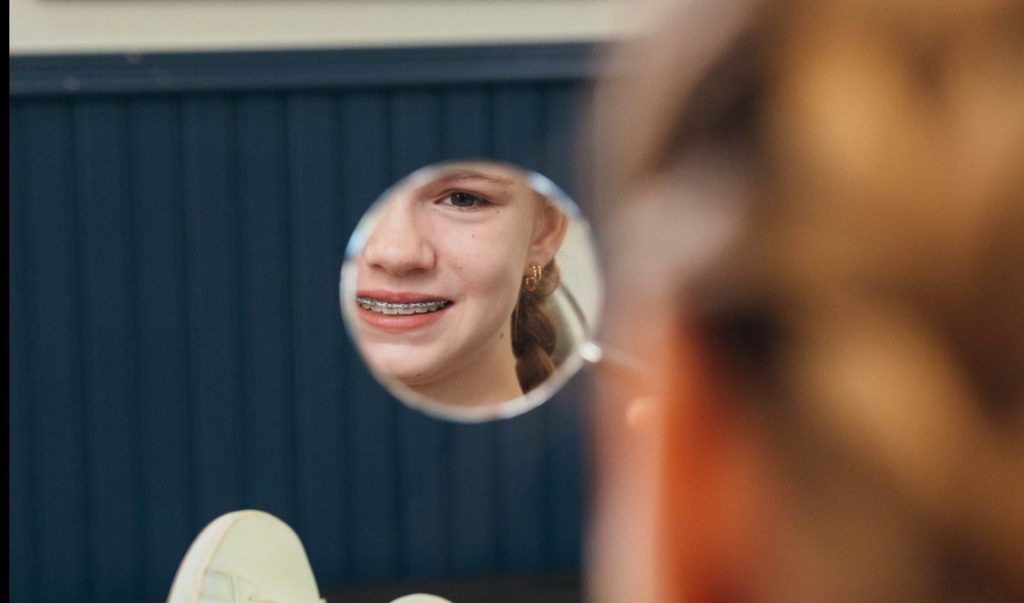
Even with the right gear and habits, accidents happen. If a bracket breaks or a wire bends mid-game, get it looked at as soon as you can. Even something minor can slow down your treatment if it sits too long. In the meantime:
- Cover sharp or poking edges with orthodontic wax
- Chew on the opposite side of your mouth if a bracket feels loose
- Rinse with warm salt water to calm irritation
- Use the mirror in your kit to check for damage right after the game
These steps won’t fix the problem, but they’ll keep you comfortable until your orthodontist can take a look. If the damage feels more serious, or you’re not sure whether it’s an emergency, read our guide on common orthodontic emergencies to know exactly what to do next.
A Quick Note on Insurance
Some sporting fees include injury insurance. Check with your club about what their insurer requires before an injury happens, not after. Many health insurance plans cover mouthguards too, sometimes in full. Families in American Fork and Utah County often ask us about this when their kids start a new sports season, and that’s worth knowing, since the lifetime cost of treating a single knocked-out tooth can run anywhere from $5,000 to $20,000, according to the National Institutes of Health. A mouthguard is a cheap way to avoid a much bigger bill down the road.
Stay Active and Confident This Season
How to protect braces during sports isn’t complicated. It comes down to a good mouthguard, a small kit in your bag, and a few smart habits around food and gear. Keep at it, and your treatment stays on track while you keep doing what you love on the field or court. Have questions about your athlete’s treatment before the season starts? Schedule an appointment with Prince Orthodontics today.
FAQ: Braces and Sports
Can you play contact sports with braces?
Yes. Contact sports are safe for athletes with braces as long as a properly fitted mouthguard is worn every time. Talk to your orthodontist if you have questions about a specific sport.
Do you need a special mouthguard for braces?
A standard mouthguard often doesn’t leave enough room for brackets and wires. A mouthguard made for braces, whether boil-and-bite or custom, offers better protection and a more comfortable fit.
What happens if you get hit in the mouth with braces?
Rinse with warm salt water, cover any sharp edges with orthodontic wax, and contact your orthodontist as soon as possible, especially if a bracket is loose or a wire is poking out.