A lot of parents and patients ask how old you have to be to get braces. It is a fair question, and the honest answer is: it depends. There is no single right age for everyone. The best time for getting braces depends on your teeth, your jaw development, and what problems need to be fixed. Here is what you need to know for every stage of life.
Is There a Minimum Age to Get Braces?
There is no hard minimum age for braces, and that question means something different depending on what type of treatment you are talking about. Full braces are typically placed once most permanent teeth have come in, which for most kids falls somewhere between ages 9 and 14. Early appliances like expanders or space maintainers can be used on younger children when needed, but those are different tools solving different problems.
For adults, the minimum age question flips entirely. There is no upper limit either, which surprises a lot of people. As long as your teeth and jaw bone are healthy, age alone is not a barrier to starting treatment. So the real answer is this: the minimum age depends on what needs to be fixed and which treatment is right for the job. A conversation with an orthodontist is the only way to know for sure.
How Young Can You Get Braces?
The American Association of Orthodontists recommends a first orthodontic visit by age 7. At that age, your child still has a mix of baby and permanent teeth. That mix gives an orthodontist a clear picture of how the jaw is developing and whether any issues are forming.
Most kids will not need treatment right away. But catching problems early can make future orthodontic treatment simpler, shorter, and less invasive. Early evaluation can help with things like guiding jaw growth, reducing the chance of needing extractions, preventing abnormal tooth wear, and protecting teeth that stick out from injury.
What Is Phase 1 Early Orthodontic Treatment?
Phase 1 treatment is for younger children, typically between ages 6 and 10, who show early signs of bite problems, crowding, or jaw issues. The goal is not to finish everything at once. It is to fix specific problems early so Phase 2 braces treatment goes more smoothly.
Signs your child may need Phase 1 treatment include difficulty chewing, mouth breathing, thumb sucking past age 5, noticeable crowding, or a jaw that seems off-center.
When Is the Best Time to Get Braces?
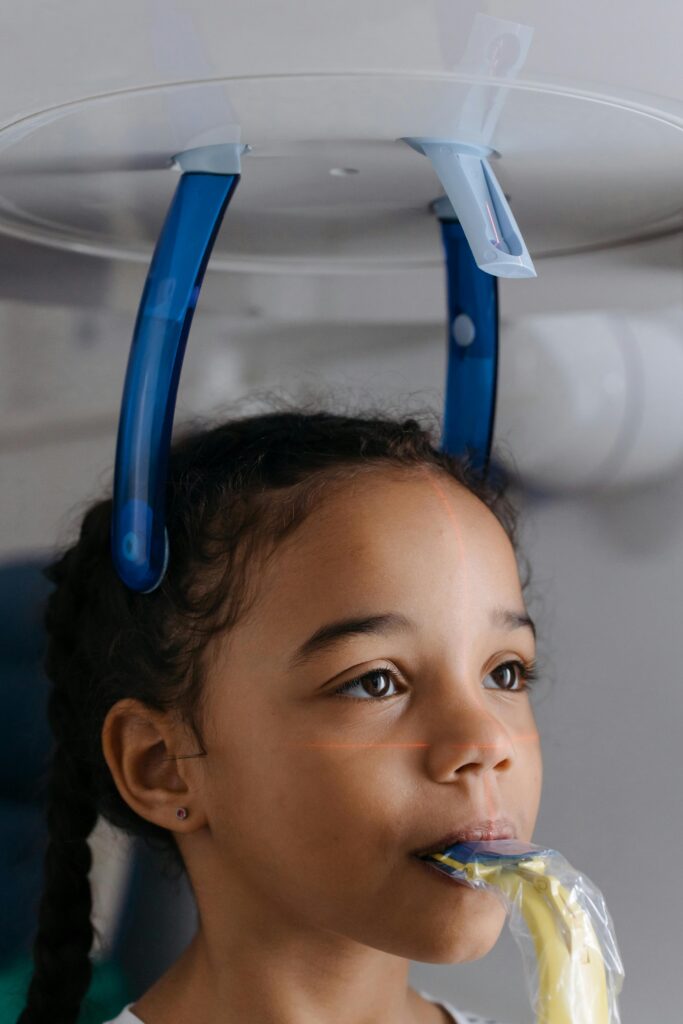
Age 7 is the ideal age for an orthodontic evaluation, not necessarily for treatment. By this age, enough permanent teeth have come in to spot potential problems early. An orthodontist can assess jaw growth, bite alignment, and spacing, and then monitor your child over time until orthodontic care makes sense to begin.
Signs Your Child May Be Ready for Braces
When permanent teeth first come in, they often look crooked. This is normal. Many teeth straighten on their own as the mouth grows. But if crooked teeth do not improve, or if your child has ongoing bite issues or another dental issue that is not resolving, it is worth getting an evaluation. Other signs to watch for include crowded or overlapping teeth, gaps between teeth, difficulty biting or chewing, and teeth that do not meet properly when the mouth closes.
What Is the Best Age to Get Braces?
| Braces for Young Children Ages 6 to 9 | Full braces are not common at this age. But Phase 1 appliances like expanders or partial braces may be used to guide jaw development. The goal is to create the right conditions for permanent teeth to come in correctly. |
| Braces for Tweens and Teenagers Ages 10 to 17 | This is the most common window for getting braces. Most permanent teeth are in, and the jaw is still growing, which makes teeth easier to move. Treatment during these years tends to be efficient and effective. Both traditional metal braces and clear aligners are options at this stage. Learn more about teen braces at Prince Orthodontics. |
| Braces for Adults 18 and Older | Adults can absolutely get braces. There is no age limit. That said, adult braces treatment can be more complex since the jaw is no longer growing. More severe alignment issues may require additional steps alongside braces. Adults also need to be in good dental health before starting. Any active gum disease, cavities, or other dental issues need to be treated first. |
Is There an Age Limit to Get Braces?
No. Adults of any age can get braces, as long as their teeth and jaw bone are healthy. What changes as you get older is not eligibility, it is complexity. Adult teeth have stopped growing, so some corrections take longer or may require additional treatment. But in most cases, adults are good candidates.
Other Orthodontic Options for Adults
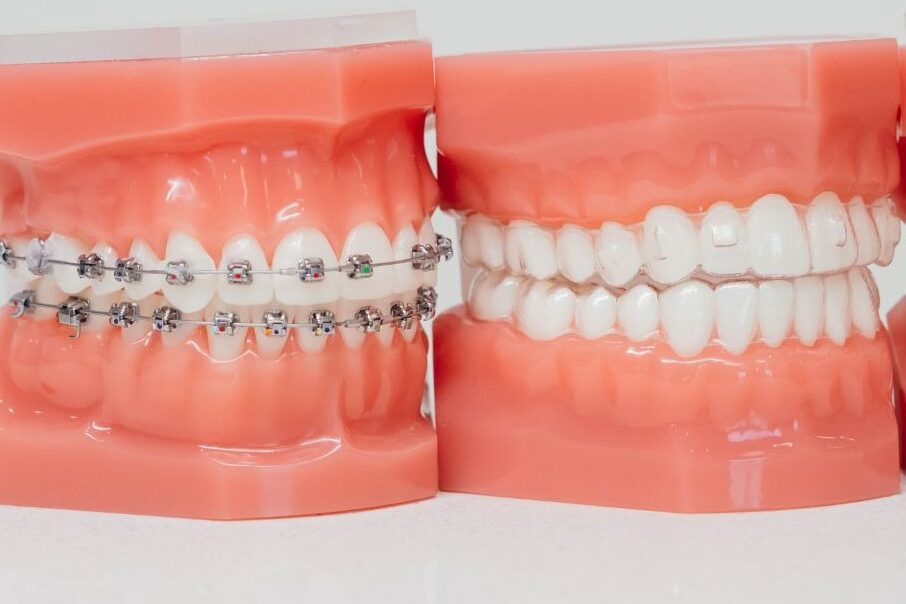
If you want something less visible than metal braces, there are a few solid options. Clear braces use ceramic brackets that blend in better with your teeth. They work the same way as metal braces and deliver comparable results. Clear braces are effective but can stain if you do not keep up with your oral hygiene routine.
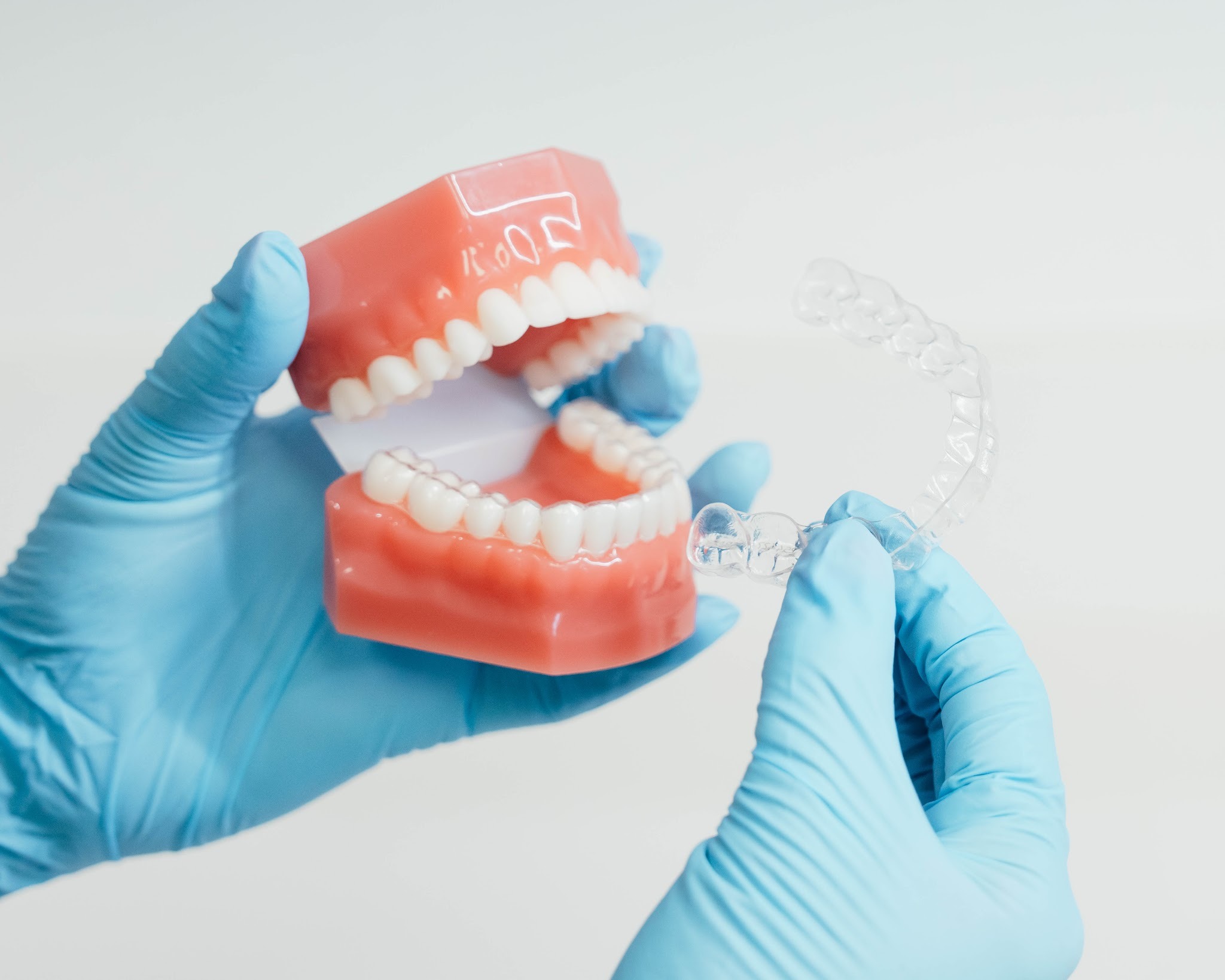
Clear aligners like Invisalign use a series of removable plastic trays to shift teeth gradually. They are nearly invisible and can be taken out when eating. They work well for mild to moderate corrections and are a popular choice for adults who want a low-profile option for fixing crooked teeth.
What Happens If You Wait Too Long to Get Braces?
Delaying treatment does not make things worse overnight. But it can mean more complex treatment down the road. Problems that could be addressed simply during childhood may require surgery or longer orthodontic treatment as an adult. Early evaluation helps avoid that. The sooner issues are caught, the more options are available.
Factors That Affect When You Should Get Braces

Jaw Development and Baby vs. Permanent Teeth
Treatment timing is tied closely to dental development. Children who still have baby teeth may not be ready for full braces yet. Others may need early intervention before all permanent teeth are in. Every child’s timeline is different, and an orthodontist will factor in how the jaw and teeth are developing before recommending a start date.
The Severity of Your Orthodontic Issues
Mild spacing or crowding may not need attention until the teen years. More serious bite problems, jaw misalignment, or a more complex dental issue may call for earlier action. Some cases need a two-phase approach. Others are straightforward. The complexity of the problem is often more important than age alone when figuring out the best age to start treatment.
Lifestyle and Commitment Factors
Habits like thumb sucking or prolonged pacifier use can affect how teeth and the jaw develop. These habits may push up the timeline for an evaluation. Beyond that, successful treatment at any age requires consistent wear of aligners or appliances, good oral hygiene, and showing up for scheduled adjustments.
Frequently Asked Questions About Braces and Age
Costs vary depending on the type of braces, the complexity of treatment, and your location. Many orthodontic offices offer payment plans. Check with your provider to get an accurate estimate for your specific situation.
Braces do not hurt in the traditional sense, but some soreness after getting them put on or after adjustments is normal. This usually fades within a few days. Age does not have a major effect on discomfort. Staying consistent with your orthodontic care and following your orthodontist’s instructions helps keep things manageable.
Yes, in many cases. Clear aligners work well for older children, teens, and adults. They are a good fit for mild to moderate corrections, including crooked teeth, and for patients who want a less visible option. That said, not everyone is a candidate. Younger children or patients with more complex issues may still need traditional braces.
Treatment length depends on the complexity of the case, not just age. On average, braces are worn for one to three years. Teens in the prime window for orthodontic treatment may see efficient results. Adults with more complex corrections may need more time. Your orthodontist can give you a clearer timeline after an evaluation.
Ready to learn more?
If you are ready to find out whether braces are the right move for you or your child, Prince Orthodontics in American Fork, Utah is here to help. Whether your child needs an early evaluation or you are an adult who has been thinking about treatment for a while, our team will walk you through your options and build a plan that fits your needs. Getting started is simple. Follow the link below to schedule your consultation and take the first step toward a healthier smile.