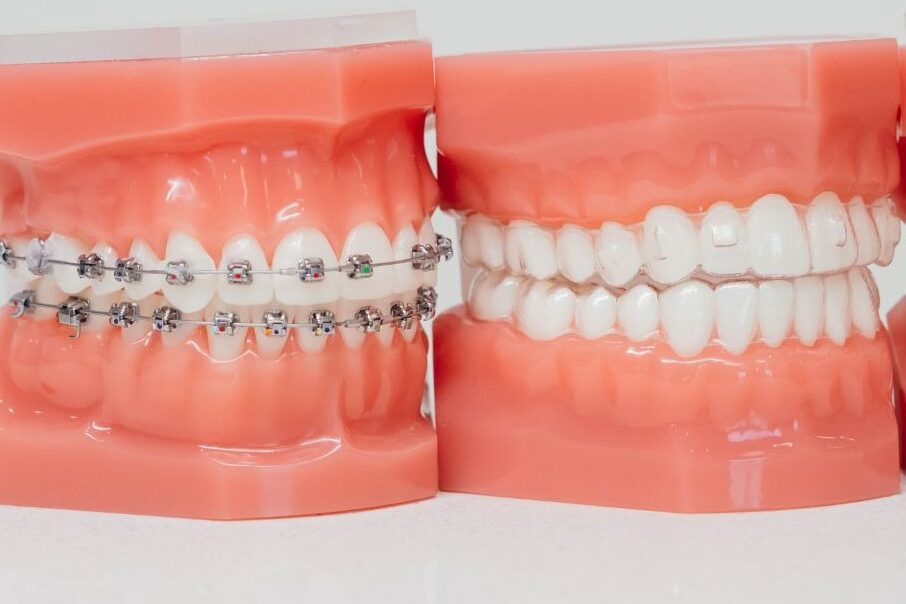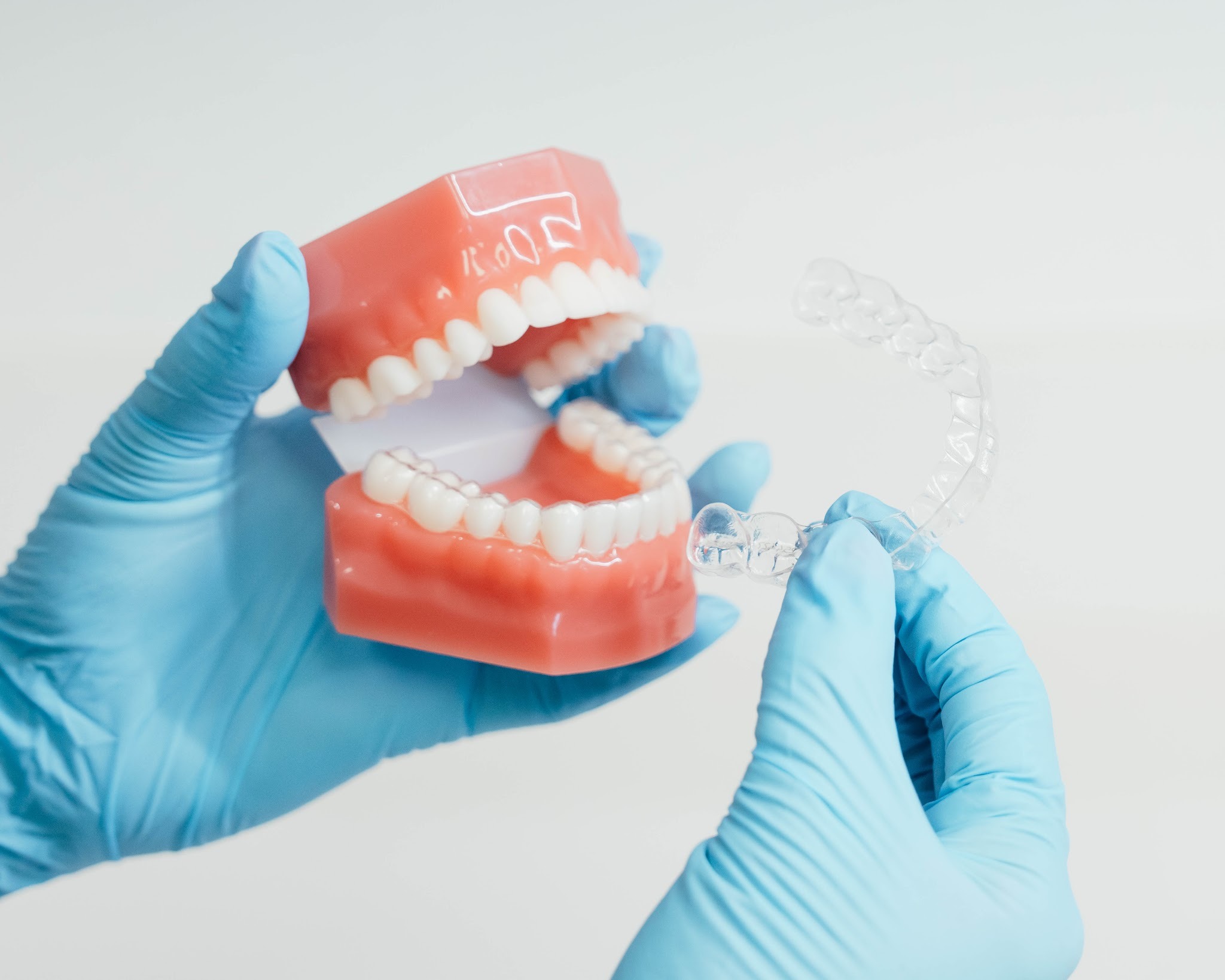
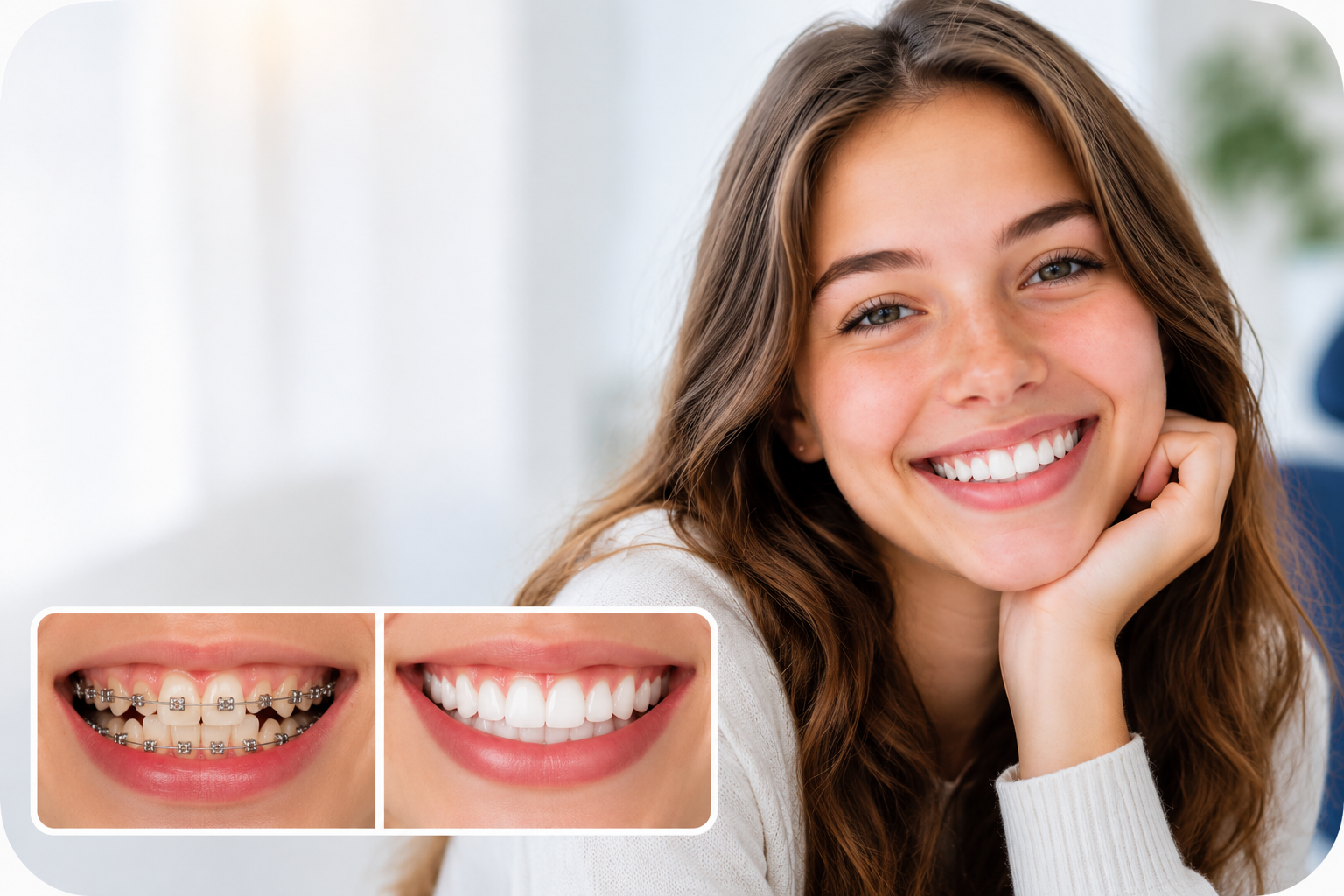
There’s nothing quite like the day your braces come off. After months or years of orthodontic treatment, you finally get to see your new smile in the mirror. Whether you wore metal braces, clear braces, lingual braces, or clear aligners, reaching the finish line is an exciting milestone.
But many patients are surprised to learn that treatment is not completely over. Caring for your teeth after braces is just as important as wearing braces in the first place. The weeks and months after braces removal play a big role in protecting your investment and keeping your smile healthy for years to come. If you’re preparing for treatment or would like to learn more about the orthodontic process, visit our New Patients page.
At Prince Orthodontics, Dr. Prince personally guides every patient through their entire orthodontic journey, including life after braces. Instead of wondering what comes next, you’ll leave with a personalized plan that helps you maintain your beautiful results with confidence.
What to Expect After Braces Come Off
The first few days after your braces are removed can feel a little different than you might expect. Your teeth may feel smoother, your bite may seem unfamiliar, and you might notice small changes as your mouth adjusts.
Here are a few things that are completely normal after braces removal.
Your Teeth May Feel Loose
One of the most common questions patients ask is whether loose teeth are normal. The answer is yes.
During braces treatment, your teeth gradually move through the bone into their ideal positions. Even after treatment ends, the surrounding bone and ligaments need time to stabilize. That temporary flexibility is part of the normal healing process and usually improves over the next several weeks.
Although your teeth may feel slightly mobile, avoid testing them with your fingers or tongue. Following your orthodontist’s instructions and consistently wearing your retainer will help everything settle properly.
Your Teeth May Feel Different
Without brackets attached to every tooth, your mouth suddenly feels very different.
Many patients notice:
- Their teeth feel incredibly smooth.
- Their bite feels slightly unusual at first.
- Their lips and cheeks need a few days to adjust.
- Food feels different against the surface of their teeth.
These sensations are temporary and usually disappear quickly as your mouth adapts to your new smile.
You May Notice White Spots
Sometimes patients notice faint white areas on the tooth enamel after braces come off. These spots are areas where minerals were lost because plaque buildup remained around the brackets during treatment.
The good news is that many white spots gradually improve with excellent oral hygiene, fluoride treatments, and time. Dr. Prince can also recommend options if additional cosmetic improvement is desired.
Why Teeth Shift After Braces
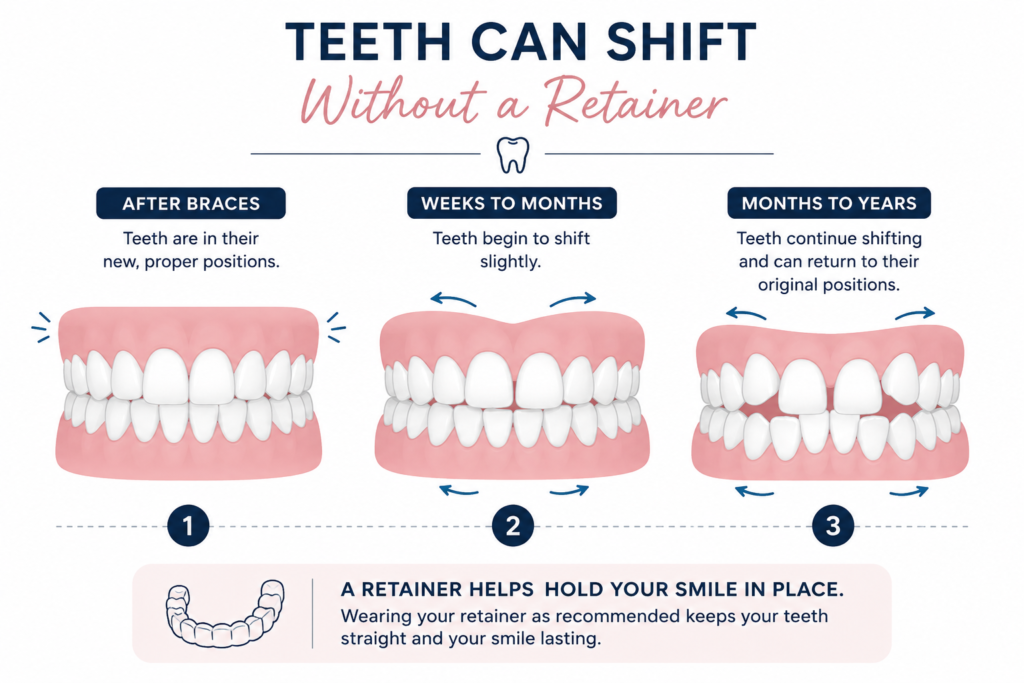
One of the biggest concerns patients have is teeth shifting after braces.
Some minor tooth movement is completely natural. Your teeth are constantly responding to normal chewing forces, aging, and changes in your mouth. Left unsupported, they naturally want to drift back toward their previous positions.
Several factors contribute to shifting, including:
- The natural elasticity of the tissues around your teeth
- Daily chewing forces
- Wisdom teeth pressure in some patients
- Normal aging
- Inconsistent retainer wear
This is exactly why retainers are such an important part of treatment. Your braces created straight teeth, but your retainer helps keep them that way.
Why Wearing Your Retainer Matters
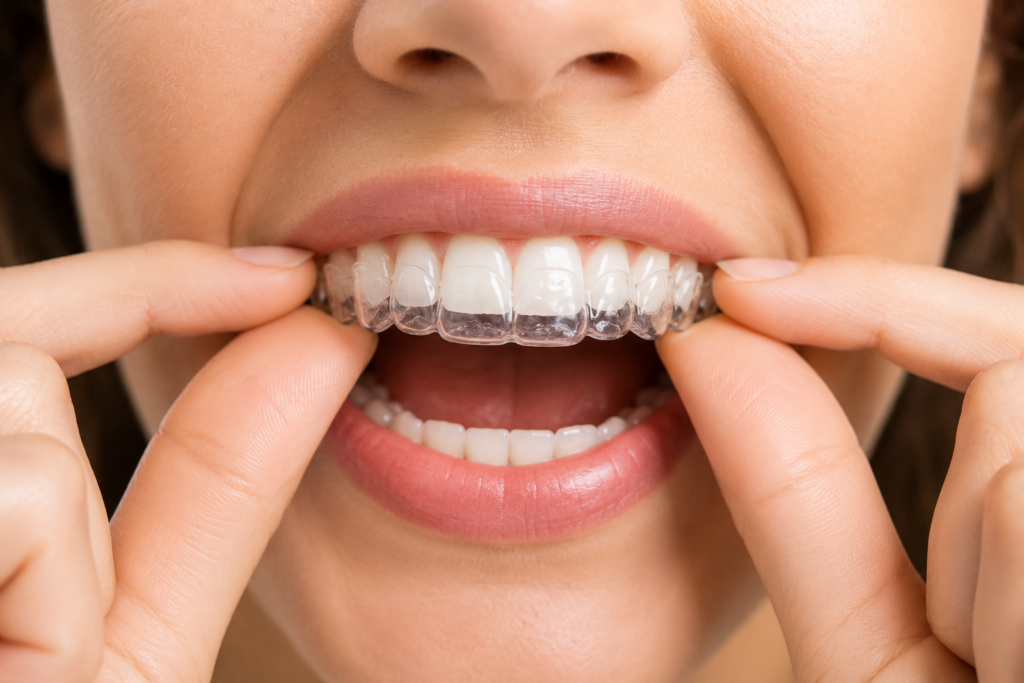
If there is one piece of advice every orthodontist repeats, it is simple:
Wear your retainer.
Many people think retainers are only necessary for a few months. In reality, wearing your retainer is the key to maintaining your smile for life.
Immediately after braces, your teeth are at the highest risk of moving. As the bone remodels and stabilizes, your retainer keeps every tooth exactly where it belongs. Over time, Dr. Prince may adjust your schedule from full-time wear to nighttime wear, depending on your individual treatment plan. Skipping even a few nights can allow small changes to occur. Those tiny shifts may not seem noticeable at first, but they can gradually affect the appearance of your smile. Think of your retainer as insurance for the time, effort, and financial investment you’ve already made.
The American Association of Orthodontists also emphasizes the importance of wearing your retainer as directed to help preserve your orthodontic results for life:
Types of Retainers After Braces
Not every patient leaves treatment with the same type of retainer. Depending on your smile, Dr. Prince may recommend one of the following.
Clear Removable Retainers
These clear retainers fit snugly over your teeth and are nearly invisible. Many patients appreciate that they are comfortable and easy to wear while sleeping. Because they are removable, it’s important to keep them clean and store them safely whenever they are not in your mouth.
Fixed Retainers
Some patients benefit from fixed retainers, which are thin wires bonded behind the front teeth. Since they remain in place, they provide continuous support for maintaining alignment.
Patients with fixed retainers still need excellent brushing, flossing, and regular dental cleanings to prevent plaque from accumulating around the wire.
Dr. Prince will recommend the option that best fits your smile, lifestyle, and long-term goals. To learn more about caring for your retainer and the options available, visit our Retainers page.
Caring for Your Teeth After Braces
Good post braces care involves more than simply wearing a retainer. Keeping your smile healthy requires a consistent routine that supports both oral health and long-term stability.
Some of the best habits include:
- Brush twice each day using fluoride toothpaste.
- Floss daily with traditional dental floss or floss threaders if you have a fixed retainer.
- Continue regular professional cleaning appointments.
- Schedule routine dental exams to watch for cavities, gum disease, and tooth decay.
- Wear your retainer exactly as instructed.
Your braces may be gone, but your commitment to good oral hygiene continues. A healthy smile depends on both straight teeth and healthy gums.
The American Dental Association (ADA) recommends brushing twice daily with fluoride toothpaste, flossing every day, and maintaining regular dental visits to support lifelong oral health:
Can You Whiten Your Teeth After Braces?
Many patients are eager to brighten their smile after braces come off. The good news is that teeth whitening is often an option, but timing matters.
Your teeth may be slightly more sensitive immediately following braces removal, so it’s usually best to wait a short period before starting any whitening treatment. Waiting allows your teeth to adjust and gives your dentist a chance to make sure your enamel is healthy.
It’s also important to choose whitening products carefully. Some over-the-counter products, including certain whitening toothpaste formulas, can be abrasive if used too often. Your dental team can recommend safe whitening options that protect your enamel while helping you achieve the results you want.
If you noticed white spots after your braces were removed, whitening may make those areas appear more noticeable at first. Dr. Prince can help you determine the best approach based on your individual smile.
Your Orthodontic Journey Doesn’t End When Braces Come Off
Many people think the day their braces are removed marks the end of treatment. In reality, it’s the beginning of the maintenance phase.
Your orthodontic journey includes learning how to protect your results for years to come. At Prince Orthodontics, patients receive personalized guidance every step of the way. Because Dr. Prince oversees your treatment from your first consultation through your final appointment, you leave knowing exactly how to care for your smile.
That continuity matters. Rather than seeing different providers throughout treatment, you’ll work with the same orthodontist who understands your goals, your treatment plan, and your long-term needs. Whether you completed treatment with traditional braces or clear aligners, your aftercare plan is designed specifically for you.
Frequently Asked Questions
Why do my teeth feel loose after braces come off?
This is completely normal. During orthodontic treatment, your teeth move through the bone into their new positions. After your braces are removed, the surrounding tissues need time to stabilize. Wearing your retainer consistently helps support your teeth while everything heals.
How soon can teeth shift after braces are removed?
Teeth shifting after braces can begin surprisingly quickly if a retainer is not worn. Small changes may occur within days or weeks after treatment, especially during the first several months. Following your prescribed retainer schedule is the best way to prevent unwanted movement.
How long do I have to wear a retainer after braces?
Every patient is different, but most orthodontists recommend lifelong retainer wear. Many patients wear their retainer full time at first before transitioning to nighttime wear. Dr. Prince will create a schedule based on your specific treatment and smile.
Can I whiten my teeth right after braces come off?
Usually, it’s best to wait until your teeth have adjusted after braces removal. Your orthodontist or general dentist can recommend when whitening is appropriate and which products will provide safe, effective results.
What happens if I stop wearing my retainer?
If you stop wearing your retainer, your teeth will gradually begin to move. Even small changes can affect your bite and the appearance of your smile. If your retainer no longer fits, contact your orthodontist as soon as possible. Acting early may prevent the need for additional orthodontic treatment.
Related Resources
Looking for more orthodontic information? You may also find these resources helpful:
Protect Your New Smile for Years to Come
Seeing your teeth after braces for the first time is one of the most rewarding moments of the entire process. The confidence that comes with a healthy, beautiful smile is worth celebrating.
Now it’s time to protect everything you’ve worked so hard to achieve. By wearing your retainer, maintaining good oral hygiene, scheduling regular dental visits, and following Dr. Prince’s recommendations, you can enjoy your straight smile for years to come.
At Prince Orthodontics, our commitment to patients doesn’t end when the braces come off. We’re here to help you maintain your results and answer your questions every step of the way.
Ready to protect your smile for the future?
Whether you’ve recently completed treatment or need a replacement retainer, schedule your FREE consultation with Dr. Prince to discuss your retainer options and receive a personalized post-treatment care plan.