If you’ve recently finished orthodontic treatment, you’ve likely heard about the importance of wearing a permanent retainer or choosing between different types of retainers for teeth. While getting your braces off is an exciting milestone, what comes next is just as important. Retainers after braces are what protect your results and keep your alignment stable long-term.
A permanent retainer is one of the most reliable ways to maintain tooth alignment, but it’s not the only retainer option available. Many patients are also given removable retainers, and understanding the pros and cons of each dental retainer can help you make the best decision.
In this guide, we’ll break down what is a retainer, how permanent retainers compare to removable retainers, and what you should expect after orthodontic treatment.
What Is a Retainer and Why Does It Matter?
A retainer is one of the most important orthodontic appliances you’ll use after braces or clear aligner treatment. Its purpose is simple: keep your teeth in their new position and prevent them from shifting back to their original position.
After orthodontic treatment, your teeth are not fully stabilized. Without retainers after braces, there is a real risk of relapse, where teeth begin to move out of alignment. This is why orthodontic care doesn’t end when braces come off.
Whether you use a permanent retainer or removable retainers, both are designed to preserve your results. Over time, even subtle pressure from everyday habits like chewing or grinding can influence alignment, which makes long-term retainer use essential.
Why Teeth Shift After Braces
Even after successful orthodontic treatment with braces or aligners, your teeth are constantly responding to pressure from chewing, speaking, and even natural aging. This means your alignment is never truly “locked in” without support.
A teeth retainer plays a critical role in holding your smile in its new position while the surrounding bone stabilizes. Without a retainer, your teeth may gradually drift, undoing months or even years of orthodontics.
This is why orthodontists emphasize long-term use of orthodontic retainers. Retention is not a short-term phase—it’s part of lifelong orthodontic care. Patients who stay consistent with their retainer routine are far more likely to maintain their results years down the road.
What Is a Permanent Retainer?
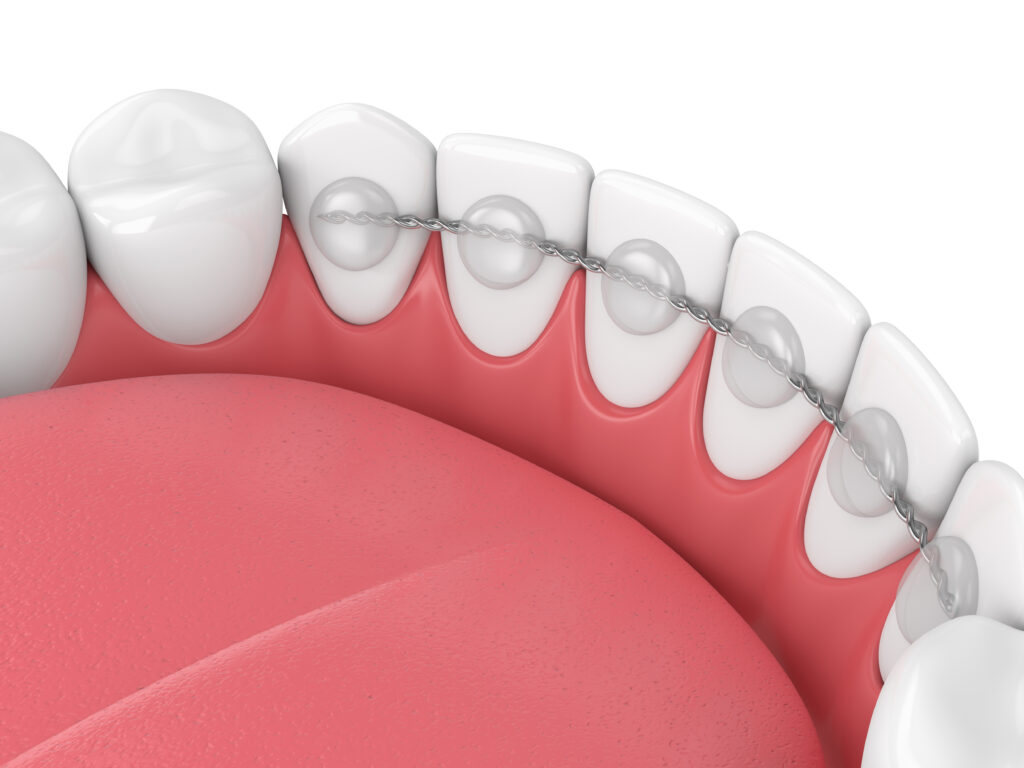
A permanent retainer, also known as a bonded retainer or fixed retainer, is a thin metal wire that is attached to the back of your teeth using dental adhesive or dental cement. This permanent bonded retainer is commonly placed behind the lower front teeth.
Because the retainer wire is fixed in place, it provides constant support. Permanent retainers are especially helpful for preventing shifting in high-risk areas.
Many orthodontists recommend permanent retainers because they remove the risk of forgetting to wear your retainer. This type of bonded wire is discreet and effective for long-term alignment. In many cases, patients forget it’s even there after a short adjustment period.
What Is a Removable Retainer?
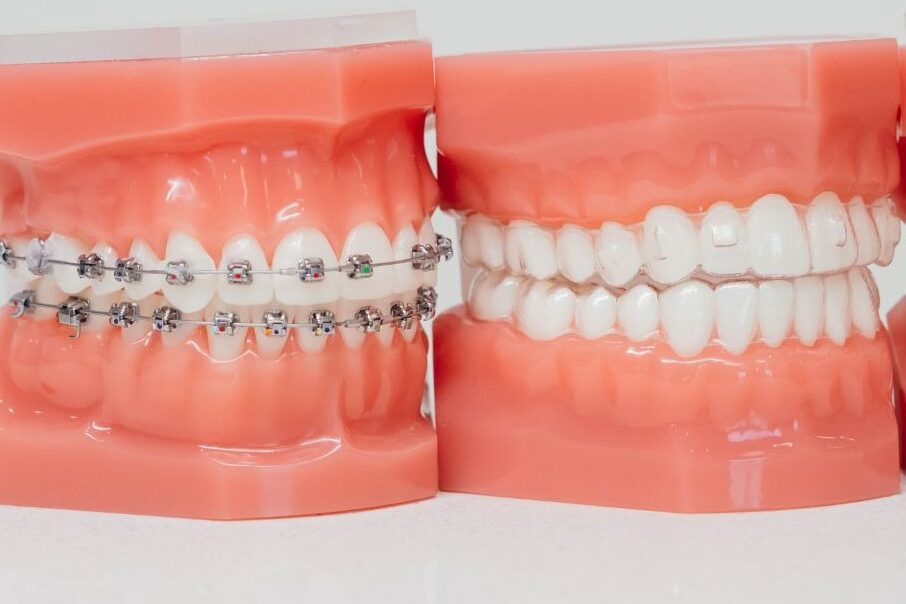
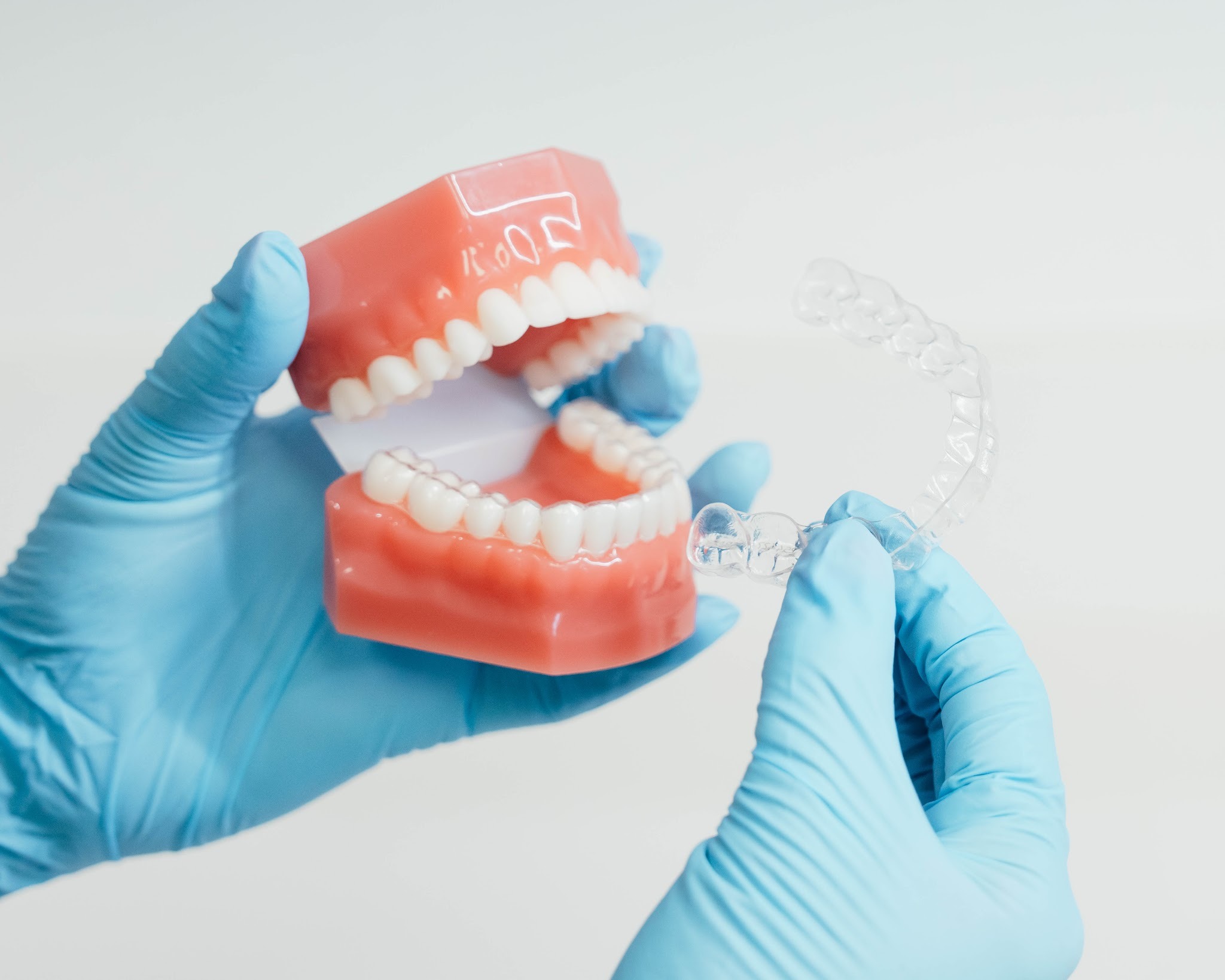
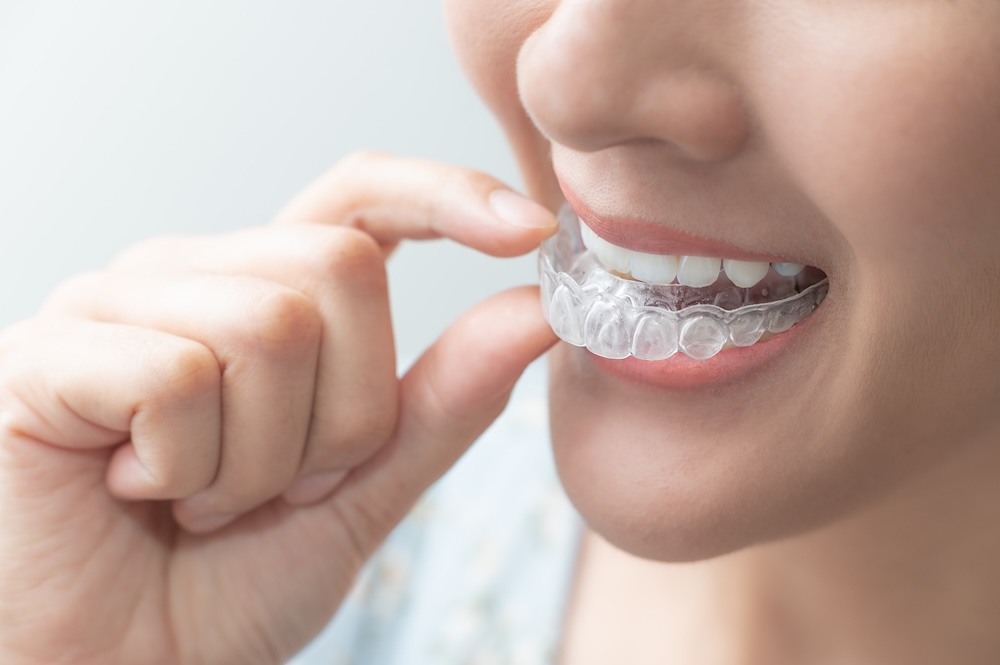
A removable retainer is a dental retainer that can be taken out for eating and cleaning. There are several types of removable retainers, including the Hawley retainer, Essix retainer, and clear retainers.
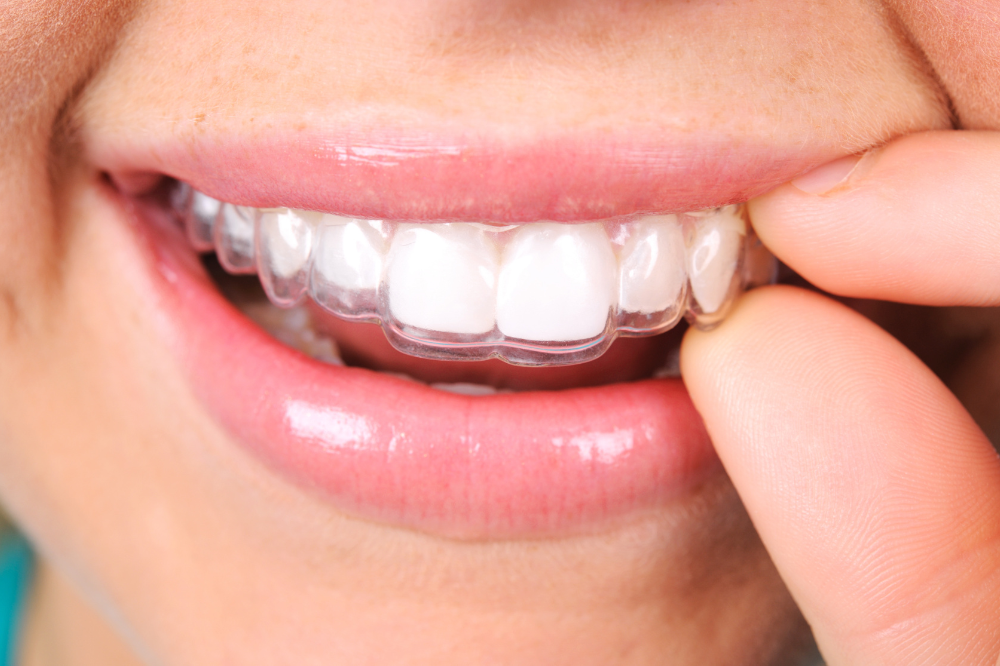
An Essix retainer or clear retainer is similar to a clear aligner and fits snugly over your teeth. A Hawley retainer includes a visible wire and acrylic base, often referred to as a traditional retainer.
Removable retainers offer flexibility, but they must be worn consistently to maintain alignment. Many patients transition to nighttime wear after an initial full-time period. Staying disciplined with wear is what ultimately determines success.
Key Differences Between Fixed and Removable Retainers
The biggest difference between fixed retainers and removable retainers is how they function daily. A permanent retainer works continuously because it is bonded in place, while removable retainers depend on patient compliance.
Fixed retainers use a bonded wire that stays attached to your teeth, while removable retainers can be taken out at any time. This makes removable options easier to clean, but also easier to forget.
Both types of orthodontic retainers are effective, but they serve different lifestyles and levels of responsibility. Understanding how each fits into your routine is key to making the right choice.
Pros of a Permanent Retainer
- Provides constant support for alignment without needing to remember it
- Helps prevent relapse after orthodontic treatment
- Hidden behind the teeth with a thin metal wire
A permanent retainer is one of the most reliable solutions for maintaining long-term alignment, especially for patients who want a low-maintenance option. It’s particularly beneficial for individuals who had significant crowding before braces.
Cons of a Permanent Retainer
- Can lead to plaque buildup if not cleaned properly
- Requires careful use of dental floss or a water flosser
- May experience tartar buildup around the bonded wire
While the cons exist, proper care and regular visits to your orthodontist can significantly reduce these risks. Developing a consistent hygiene routine makes a big difference.
Pros of Removable Retainers
- Easy to clean and maintain
- Can be removed for eating and special occasions
- Available in clear retainers for a more discreet look
Removable retainers are a convenient removable option for patients who prefer flexibility in their daily routine. They’re also ideal for patients who want a nearly invisible solution.
Cons of Removable Retainers
- Must be worn consistently to be effective
- Can be lost or damaged
- Less consistent than a permanent retainer
The biggest downside is user responsibility—if you don’t wear it, your alignment can shift. Even small lapses can lead to noticeable movement over time.
How Retainers Fit Into Orthodontics Today
Modern orthodontics offers several retainer options to support long-term results. Whether you’ve had braces, a palatal expander, or aligners, retainers are essential for maintaining your new position.
Orthodontic experts often recommend a combination of permanent retainers and removable retainers to ensure stability. This layered approach provides continuous support while allowing flexibility when needed.
This dual-retainer strategy is becoming more common because it reduces the likelihood of relapse and offers added peace of mind.
Oral Hygiene and Proper Care
With a permanent retainer, maintaining proper care is essential. The bonded wire can trap plaque, so using dental floss, a floss threader, or a water flosser is recommended.
Plaque buildup and tartar buildup can occur if hygiene is not maintained, especially around the retainer wire. Regular visits to your orthodontist help ensure everything stays in good condition.
Removable retainers should also be cleaned regularly to avoid bacteria buildup and maintain overall oral health. Keeping your retainer clean helps protect both your teeth and gums.
Common Mistakes to Avoid With Retainers
One of the most common issues is inconsistency with removable retainers. Skipping even a few nights can allow minor shifting.
Another mistake is neglecting hygiene with permanent retainers. Failing to clean around the wire can lead to plaque buildup and long-term dental concerns.
It’s also important not to attempt repairs on a bonded retainer yourself. If the wire becomes loose, your orthodontist should handle the fix to ensure proper alignment is maintained.
Which Retainer Option Is Best?
The best retainer option depends on your lifestyle, habits, and orthodontic treatment history. Some patients benefit most from fixed retainers, while others prefer removable retainers.
Your orthodontist will evaluate your needs and recommend the best solution to maintain alignment and prevent relapse. In some cases, using both a permanent retainer and a removable retainer provides the best long-term results.
Choosing the right option is about balancing convenience, consistency, and long-term goals.
Long-Term Success After Braces
Retainers after braces are not optional—they are essential. Without them, teeth can shift back toward their original position over time.
By following your orthodontist’s recommendations and committing to proper care, you can maintain your alignment and protect your smile for years to come. Orthodontic treatment is an investment, and retainers ensure that investment lasts.
Consistency over time is what ultimately determines success.
Frequently Asked Questions
A permanent retainer provides continuous support, while removable retainers offer flexibility. The best choice depends on your lifestyle and orthodontic needs.
Most orthodontists recommend wearing retainers long-term, often indefinitely at night, to maintain alignment.
Yes, a bonded retainer can occasionally loosen or break. If this happens, contact your orthodontist to repair the wire and prevent shifting.
Schedule Your Consultation with Prince Orthodontics
Choosing between a permanent retainer and removable retainers is key to protecting your smile after orthodontic treatment. Our team is here to help you find the best solution for your needs.
If you’re a new patient or need guidance on retainers for teeth, schedule a consultation today. We’ll walk you through your options and help you maintain your alignment with confidence.