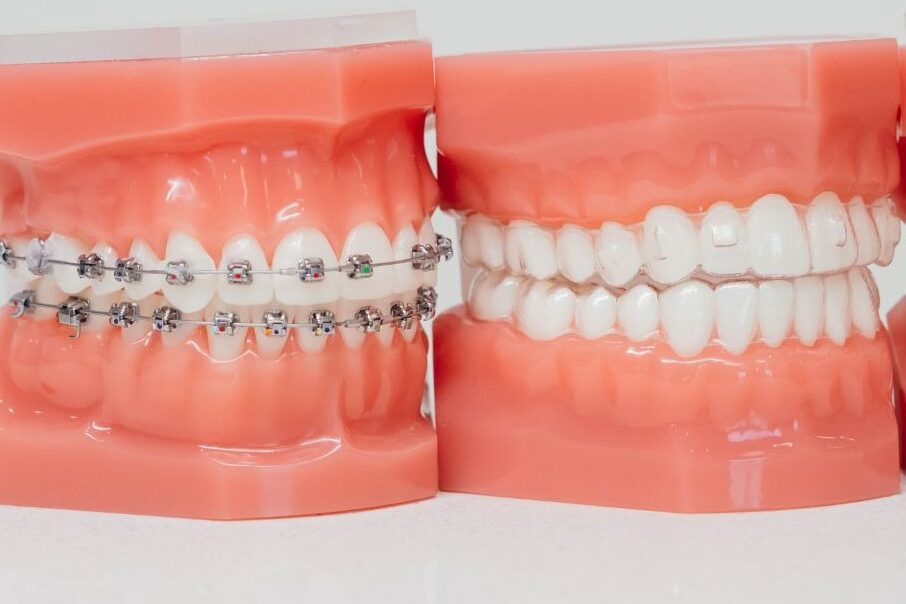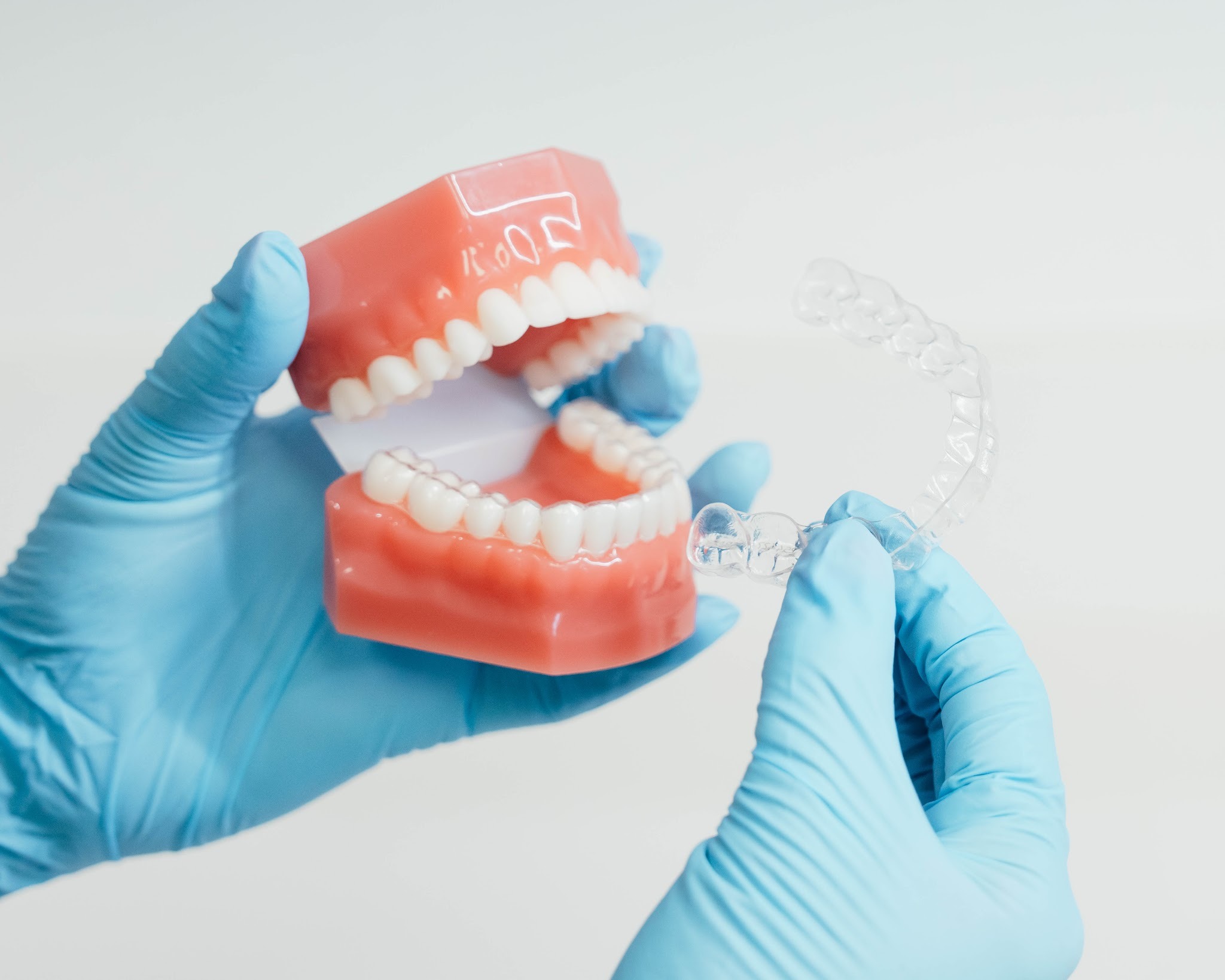
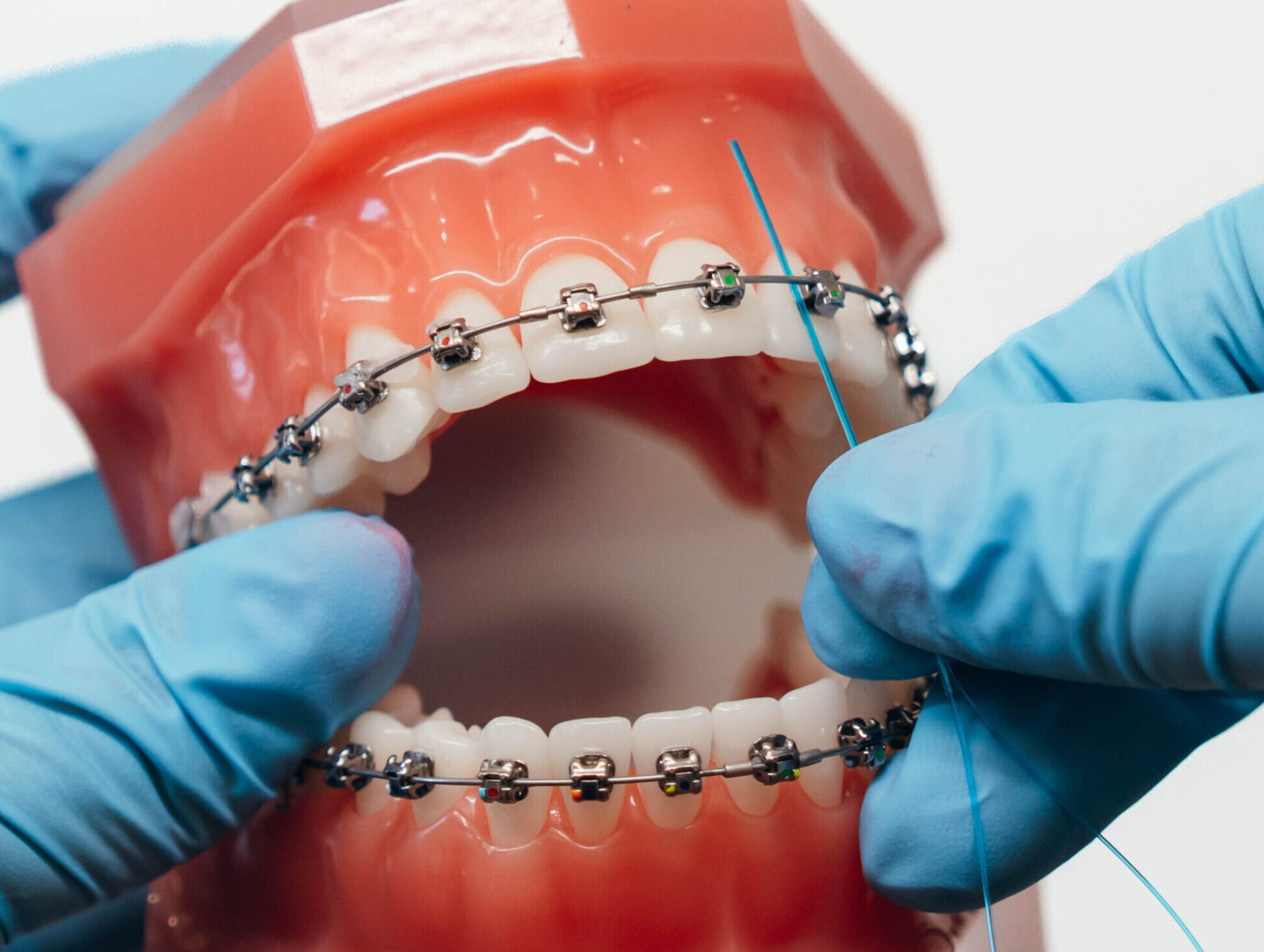
Getting braces changes your eating routine, especially in the beginning. One of the most common questions people ask after getting braces is: what foods to avoid with braces. This is an important part of orthodontics because the wrong foods can damage an orthodontic appliance and slow down orthodontic treatment.
A braces wearer, whether they have metal braces, ceramic braces, or clear braces, does not need a completely different diet. However, certain foods should be limited or avoided during orthodontic treatment. Sticky foods can pull on a bracket. Hard food can cause a broken bracket. Chewy foods and crunchy foods can also create unnecessary stress on braces. Sugary foods and sugary drinks can increase buildup around braces and make cleaning more difficult.
Understanding what foods to avoid with braces is one of the most important parts of starting orthodontic treatment and staying on track throughout the orthodontic journey.
Certain foods that can cause problems with braces
Certain foods are more likely to damage braces or create an orthodontic emergency. These usually fall into three categories: sticky foods, hard food, and chewy food. These can affect both fixed braces and other orthodontic appliance types. Instead of memorizing every wrong food, it helps to understand how food interacts with brackets and wires while wearing braces.
Sticky foods and sugary foods that cling to braces
Sticky foods are one of the biggest concerns during orthodontic treatment. Sticky foods stretch when chewed and can pull directly on a bracket. They also trap food particles, making cleaning more difficult for braces wearers.
Common sticky foods include gummy candy, sticky candy, caramel, taffy, licorice, and sticky granola bars. Chewing gum is also not recommended because chewing gum can wrap around brackets and wires even if it is sugar-free.
Sugary foods and sugary drinks are also a concern. These can increase plaque buildup around braces and make orthodontics hygiene more difficult. They can also contribute to irritation around brackets and slow progress during braces treatment.
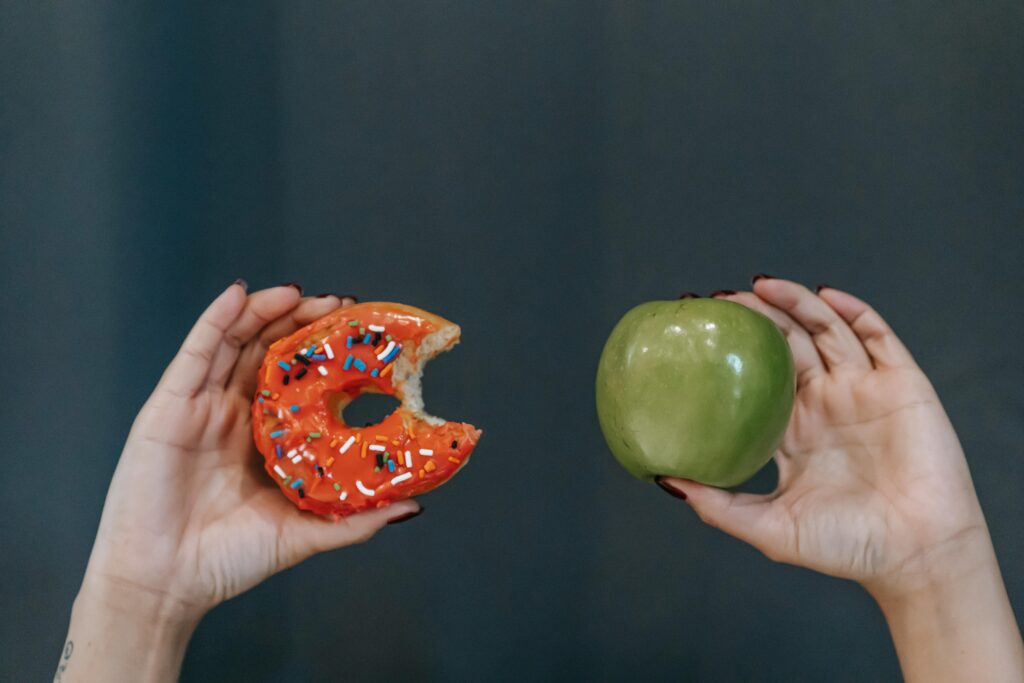
Hard food that can break a bracket
Hard food is another major risk during orthodontic treatment. Hard food creates direct pressure on braces and can lead to a broken bracket or even an orthodontic emergency in some cases.
Foods like nuts, hard pretzels, hard candy, ice, and crunchy foods should be avoided or eaten with caution. Even healthy foods like raw vegetables, raw carrots, and hard fruits can be risky unless cut into small pieces.
Many people wonder if they can eat snacks like popcorn. Popcorn is actually one of the most common problem foods. It can get stuck under wires and leave behind hulls that are difficult to clean.
Chewy foods and tough textures
Chewy foods and chewy food textures require a lot of force to break down, which can stress brackets over time. This includes steak, beef jerky, and other tough meats. Chewy foods can also include dense bread or overly thick crusts. Even pizza crust can sometimes be too firm depending on how it is prepared. Softer pizza crust is usually a better option for people wearing braces.
Soft foods that are easier on braces
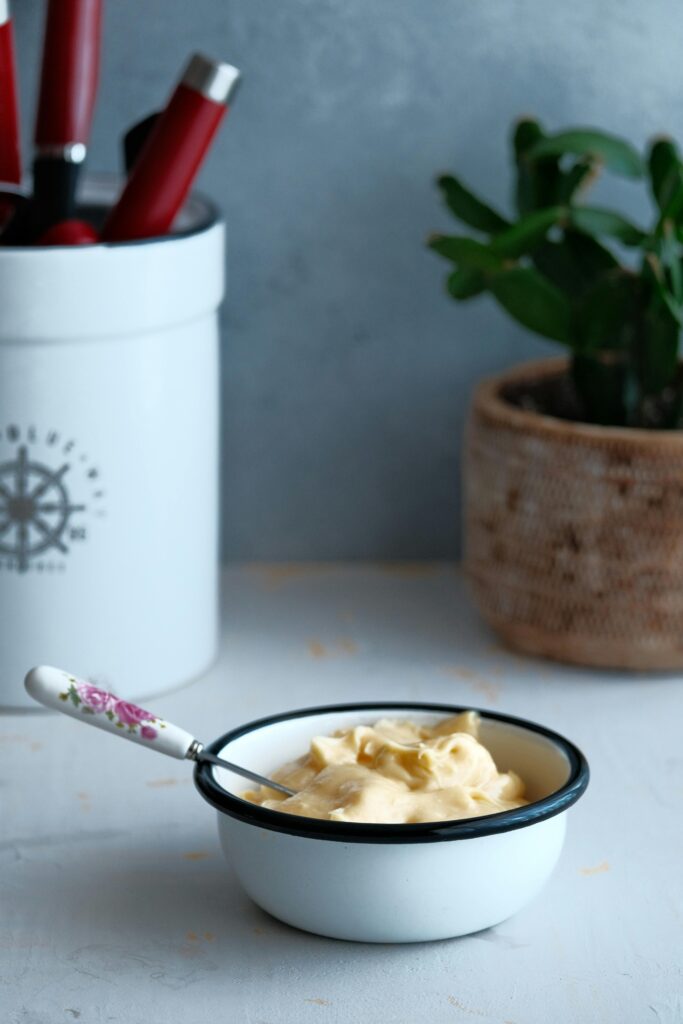
Soft foods are generally the best choice during orthodontic treatment because they reduce pressure on brackets and are easier to chew.
Soft fruits like bananas, berries, grapes, and melons are great options. Soft fruit is easy to eat and does not risk damaging braces. Raw vegetables should often be avoided unless cooked, but softer vegetable options like steamed carrots or zucchini are much safer.
Soft grains such as rice, pasta, quinoa, and couscous are also good choices. Soft bread is another safe option that fits easily into everyday eating habits during orthodontic treatment. Dairy and proteins also work well. Yogurt, cheese, eggs, fish, shredded chicken, and peanut butter are all braces-friendly options that support a balanced diet during orthodontics.
What to eat after getting braces
Getting braces often causes soreness for the first few days. During this time, softer foods are especially important. Mashed potatoes, oatmeal, smoothies, yogurt, scrambled eggs, soup, and soft grains are all helpful options for easing discomfort.
Soft foods are easier on braces and help reduce irritation around brackets while the mouth adjusts to wearing braces. This stage is a normal part of orthodontic treatment and typically improves within a few days. Visit our blog for more ideas of foods to eat with braces.
Can I still eat pizza, chips, and candy with braces?
Many people wonder what foods to avoid with braces when it comes to everyday snacks. The good news is that you do not have to completely change your diet during orthodontic treatment.
Pizza is usually fine as long as the crust is soft. When it comes to chips, softer chips are generally safer than hard or thick crunchy foods.
Candy is where more caution is needed. Hard candy and sticky candy are two of the most damaging foods for braces. These can break brackets or stick to wires, making cleaning more difficult and increasing the risk of orthodontic emergency situations.
Bite-sized eating habits during orthodontic treatment
What you eat matters, but how you eat also plays a big role in protecting braces. Cutting food into small pieces helps reduce pressure on brackets and makes chewing more controlled.
Braces wearers should cut apples instead of biting into them, break sandwiches into smaller pieces, and avoid biting directly into hard or crunchy foods with front teeth. These habits reduce stress on brackets and help prevent damage. Many broken bracket issues happen because of biting habits rather than the food itself being unsafe.
Other habits that affect braces
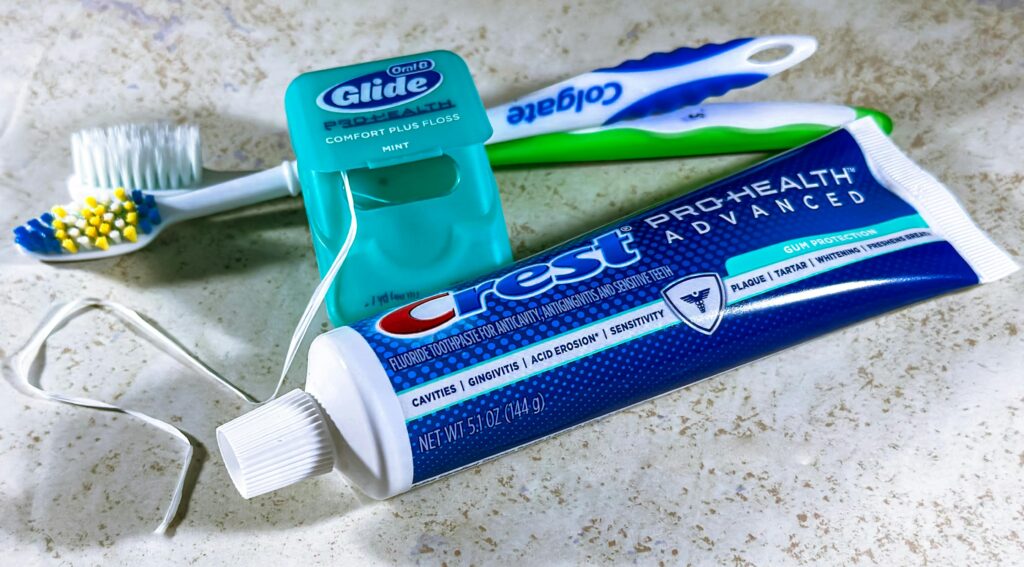
Food is only one part of orthodontic care. Habits like chewing ice, biting pens, or using teeth to open packaging can damage braces quickly. Keeping up with orthodontic appointments is also essential. Regular adjustments help ensure braces are working properly and reduce the risk of complications during orthodontic treatment. Braces wearers should brush after meals, floss carefully, and rinse when possible to remove buildup around brackets. Consistent cleaning helps prevent plaque buildup and keeps orthodontic treatment on track.
Frequently asked questions about braces and food
Sticky foods, hard food, chewy foods, popcorn, hard candy, and gummy candy are some of the main foods to avoid during orthodontic treatment.
Yes, but choose softer chips and avoid very crunchy foods that could damage brackets.
Popcorn is not recommended because kernels and hulls can get stuck in braces and are difficult to clean.
No, chewing gum is not recommended because it can stick to brackets and wires.
Soft foods like mashed potatoes, yogurt, soft fruits, peanut butter, eggs, and soft bread are some of the safest options.
Final thoughts on wearing braces and food choices
Understanding what foods to avoid with braces is a key part of successful orthodontic treatment. You do not need to avoid every food you enjoy, but you do need to be mindful of sticky foods, hard food, and chewy foods that can damage brackets or slow progress.
By choosing softer foods, cutting food into small pieces, and avoiding wrong foods that put stress on braces, patients can protect their orthodontic appliances and keep treatment moving smoothly. Over time, these habits become second nature and make the orthodontic journey easier and more comfortable for all braces wearers.
Schedule a Consultation With Prince Orthodontics
Ready to start your orthodontic journey or have questions about life with braces? Schedule a consultation with Prince Orthodontics today. Our team will guide you through everything, from what foods to avoid with braces to how to protect your smile throughout treatment, so you can stay on track and get the best results possible.