What’s the difference between a dentist and an orthodontist? Many people aren’t sure whether they should visit an orthodontist vs. dentist, since both professionals help maintain a healthy smile. While their work overlaps in some areas, dentists and orthodontists have different areas of training and expertise. Understanding what each specialist does can help you know who to visit for your specific dental or orthodontic needs.
How Their Training Actually Differs
Do orthodontists go to dental school? Yes. Orthodontists and dentists start out on the same path. Both complete four years of undergraduate school and four years of dental school, according to the American Dental Association. After graduating, they have to pass a written exam and a clinical licensing exam before they can practice. Once licensed, dentists use the letters DDS (Doctor of Dental Surgery) or DMD (Doctor of Medicine in Dentistry or Doctor of Dental Medicine) after their names.
From there, they can go in two different directions. A dentist can go straight into general practice or choose to keep studying and specialize to become an orthodontist, making an orthodontist essentially a dentist specialist focused on tooth and jaw alignment. Most orthodontic residency programs last two to three years, and CODA standards require at least 24 months and 3,700 scheduled hours of specialized training. During that time, orthodontic residents study areas such as tooth movement, bite alignment, jaw growth, diagnosis, and treatment planning. Only about 6 percent of dentists go on to become orthodontists.
That extra training focuses specifically on how teeth, jaws, and facial bones move and grow, sometimes called dentofacial orthopedics. This is where the differences in orthodontist vs. dentist treatment becomes more apparent. Is an orthodontist a dentist? Technically yes, but not every dentist is an orthodontist, the extra residency and specialized training is what sets them apart. General dentists are licensed to practice dentistry, and in some states, that license technically allows them to offer certain specialty services, even without formal training in that specialty.
What Do Dentists Do?
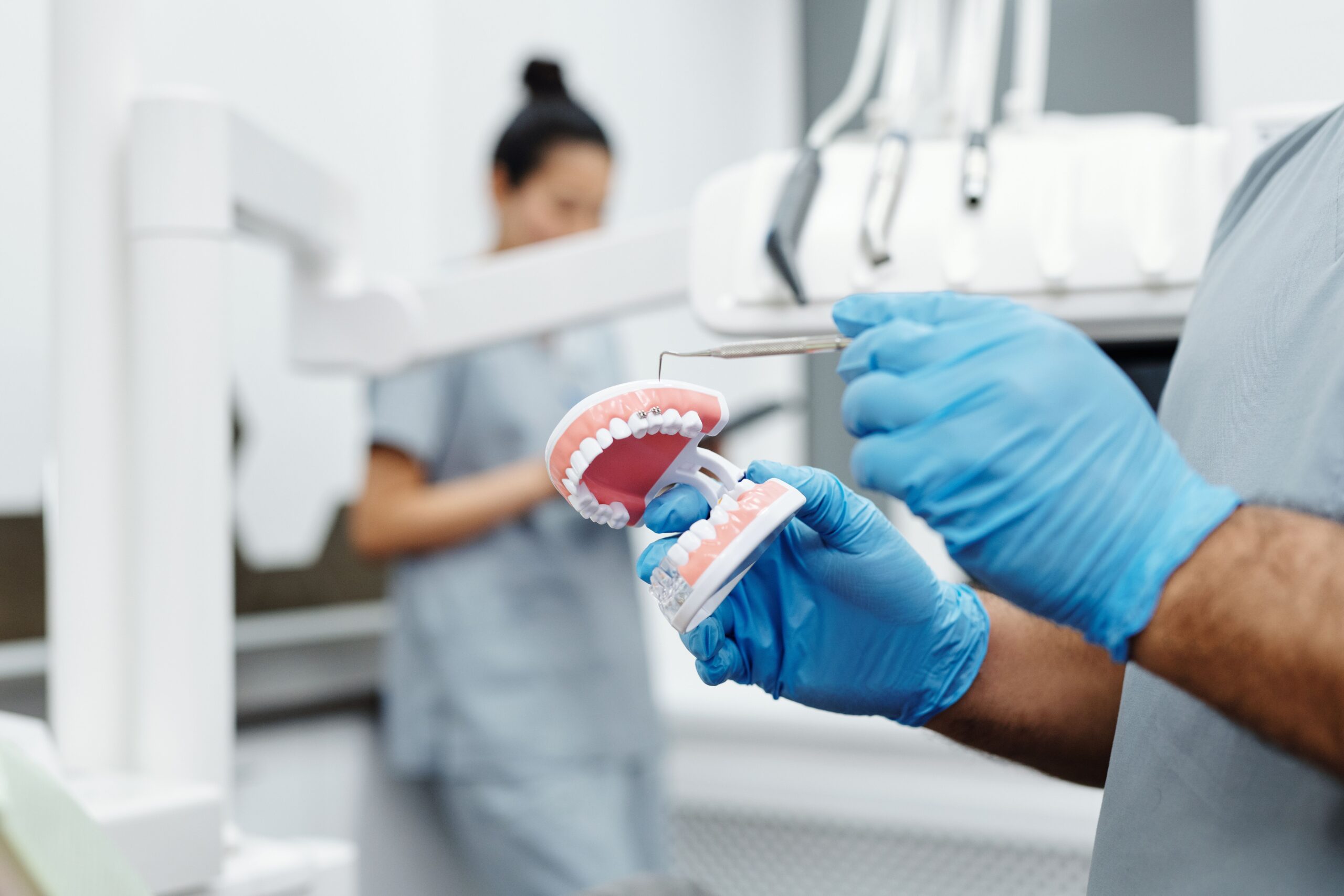
General dentists focus on your overall oral health. During regular checkups, they catch problems early such as cavities, gum disease, and general hygiene issues.
They also handle:
- Routine cleanings
- Filling cavities
- Extracting teeth that can’t be saved
- Root canals
- Crowns, veneers, and bonding to repair chipped, decayed, or misshapen teeth
Do dentists do braces? In some states, yes. General dentists are permitted to offer braces and other orthodontic treatments alongside their regular services, even without the additional specialized training an orthodontist completes. Want to learn more about what dentists do? Learn more about their work, training, and career through the U.S. Bureau of Labor Statistics.
Dentists also check your mouth for early signs of oral disease and give you guidance on keeping your teeth and gums healthy. If they spot something outside their scope, they’ll refer you to a specialist, whether that’s an orthodontist, an oral surgeon, or someone else.
A dentist keeps your mouth healthy day to day. An orthodontist, on the other hand, focuses on a narrower, more specific job which is straightening teeth and correcting bite issues.
What Do Orthodontists Do?

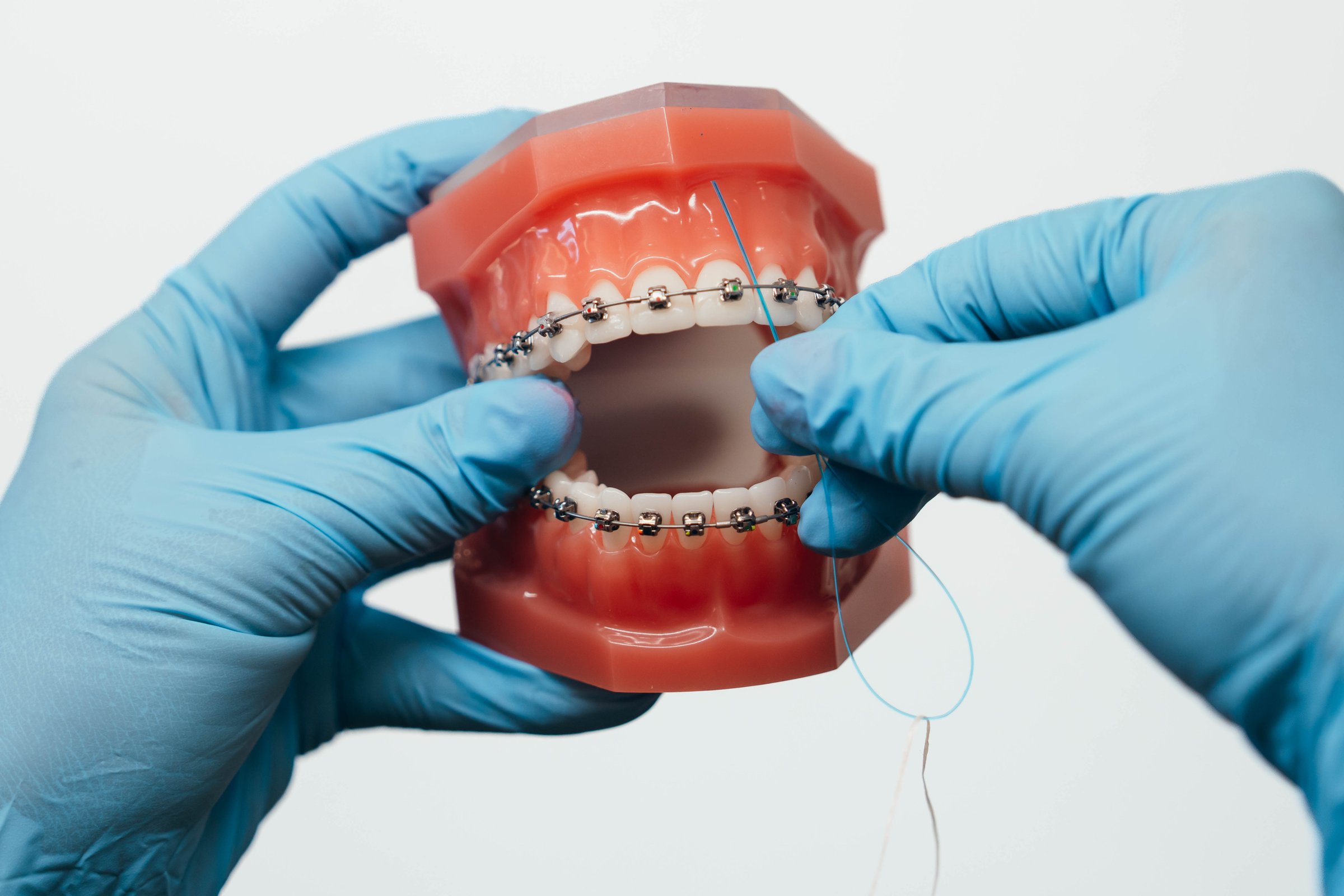
Who puts braces on teeth? That’s typically an orthodontist’s job. Orthodontists specialize in aligning your teeth and jaws. That covers crowded teeth, gaps, protruding teeth, and jaws that don’t line up the way they should.
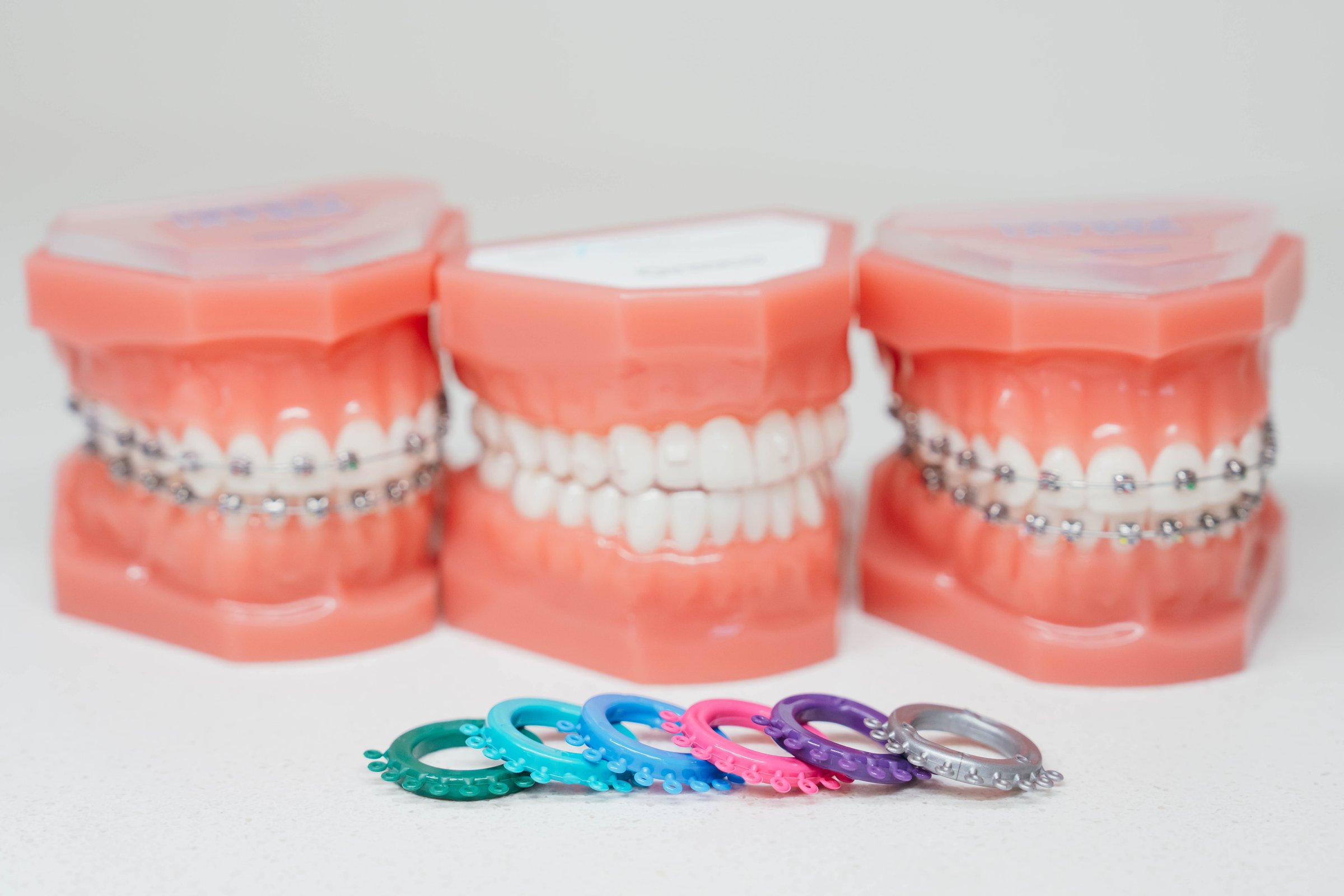
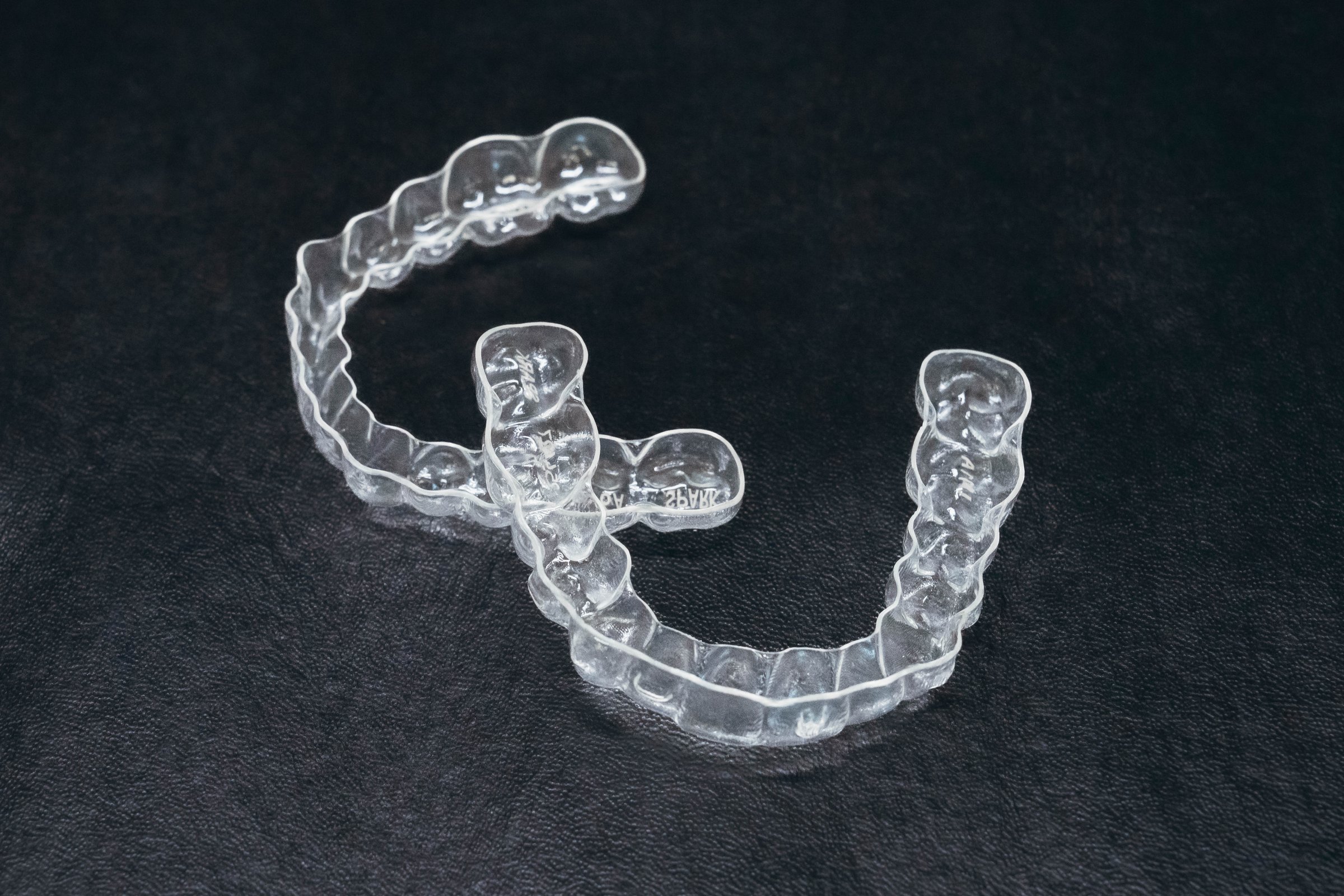
To fix these issues, orthodontists use a range of tools, including traditional braces, lingual braces, and clear aligners like Invisalign. Have questions about Invisalign specifically? We break it all down in this guide to clear aligners. Every patient’s bite is different, so orthodontists start with X-rays and photos to build a treatment plan specific to that person. The main difference is that a dental checkup looks at your overall oral health in a single visit, while orthodontic treatment is an ongoing plan built around your specific bite and alignment.
Conditions orthodontists commonly treat include:
- Misaligned teeth
- Gapped teeth
- Crowded teeth
- Overbites
- Underbites
- Crossbites
Orthodontists do not do cleanings, oral surgery, tooth extractions, or dentures. Those stay with your general dentist or another specialist. That also raises the question of orthodontist vs. oral surgeon. An oral surgeon handles surgical procedures like extractions, jaw surgery, and dental implants, while an orthodontist focuses on straightening teeth and correcting bite alignment without surgery. Whatever your dental question, we’re here to help. Call Prince Orthodontics at (801) 756-6246 and let’s talk about your options.
Orthodontist vs. Dentist: Who Should You See?
In some states, general dentists are allowed to offer certain orthodontic treatments, like braces, alongside their regular services. But even if a dentist offers braces, that doesn’t make them an orthodontist. Only someone who’s completed the additional accredited training can use that title. So, is a dentist and orthodontist the same thing? No, both are dental professionals, but they have different areas of focus.
When deciding whether to see an Orthodontist vs. Dentist, consider the type of care you need. Your general dentist is typically the right place to start for your routine checkups, cleanings, tooth pain, cavities, and overall oral health. An orthodontist focuses on concerns related to tooth alignment, bite, and jaw development, including crooked or crowded teeth and problems with overbites or underbites. If you’re unsure which provider is right for your concern, your dentist can help point you in the right direction or you can contact an orthodontist directly for an evaluation.
You will likely see your dentist for life, for cleanings, checkups, and general care. You’ll only need your orthodontist for the length of your treatment. Both play a role in keeping your smile healthy, they just handle different parts of the job.
If you have questions or concerns about your teeth or oral health, it’s always best to speak with your dentist or another qualified healthcare provider. Schedule a consultation with Prince Orthodontics and we’ll point you in the right direction.
Frequently Asked Questions
No, you don’t need a referral. Parents are often the first to notice something’s off with their child’s teeth or jaw, like front teeth that don’t meet or upper teeth sitting inside the lower ones. It’s a fair assumption that your dentist will flag it and refer you when the time comes, but that doesn’t always happen, especially if the dentist isn’t specifically evaluating the bite during a visit. If you’re wondering if your child needs a dentist or orthodontist, you can schedule directly with an orthodontist any time you have a concern.
Watch for signs like teeth coming in early or late, trouble chewing or biting, mouth breathing, jaws that shift or make noise, speech issues, cheek or mouth biting, facial imbalance, or teeth grinding. The American Association of Orthodontists recommends kids have their first orthodontic checkup no later than age 7, even if nothing seems obviously wrong yet. Check out our blog to learn more about the best age to start orthodontic treatment.
It depends on the complexity of the case, but most patients wear braces or aligners for 12 to 24 months, followed by a retention phase to keep teeth in their new position.
Many dental insurance plans include partial orthodontic coverage, especially for children, though the amount varies widely by provider and plan. Some plans only cover treatment started before a certain age, while others offer a lifetime maximum benefit regardless of age. The best way to know for sure is to check your specific plan or give our office a call at (801) 756-6246. We’re happy to help verify your benefits before you commit to treatment.